
Recently, Agnes Callard had a piece in the New Yorker, The Case Against Travel, where she argues, travel “turns us into the worst version of ourselves while convincing us that we’re at our best.” As I am sure you can guess, I disagree!!
I’ve written several blogs detailing why I think travel makes me a better version of myself, but I can’t resist working through her specific examples point by point.
But before I do, most succinctly, I believe one of my favorite quotes from an author she refers to, applies to travel – “I cannot remember the books I’ve read any more than the meals I have eaten; even so, they have made me.” ― Ralph Waldo Emerson
Her article starts by declaring “I love to travel” as the “most uninformative statement that people are incline to make” … because people “pride themselves both on having travelled and on the fact that they look forward to doing so.” While it is probably true “nearly everyone likes to travel” it is not universal. I know many many people who don’t particularly enjoy travel and prefer to stay close to home.
And I do think it is informative. Using Emerson’s own example, while if asked, many people would respond that they like to eat and they like to read, but it is informative if this is what they chose to share with others. How many times do you meet someone and ask, what do you like to do, what are your hobbies, what did you do this weekend? If the answer is eating, or more likely, “I’m a foodie,” that is revealing. Likewise, so is a passion for travel. (I am also guessing that a high percentage of people on this planet will say they enjoy eating if asked directly) She remarks that “travel” is not an accomplishment – unless completely self-centered, I can’t really think of any answer to that question that reflects an accomplishment – I golf or I play piano reflects interest and where you may spend your time or resources. It says nothing about your capability or prowess.

Now, maybe here is a good time to admit, that maybe I am an anomaly. At home (and abroad) I like “touristy” activities. I currently live in one of the world’s best cities. And even as I type this article, I have plans to hit the National Mall later today. I think these famous sights are famous for a reason and worth seeing not just once, but often, again and again. I’ll also skip ahead in her article and admit, I like walking for no reason. And again, whether home or abroad, one of my favorite activities is to walk through a city (or go hiking).
Agnes defines a tourist as “a temporarily leisured person who voluntarily visits a place away from home for the purpose of experiencing a change.” I can accept her definition for this discussion. And while she argues, the change rarely happens, I would argue it almost always happens, even to the most lazy of travelers.
To start with, Agnes gives an example of visiting a falconry demonstration while in Abu Dhabi. That she has no interest in falconry before or after her trip is besides the point. I also know nothing about falcons. And while I also doubt that it would ever become a passion, learning about them is a unique experience to be valued. That is something I would not have the opportunity to do in Washington DC and even if I did, would not make time to do. But the ability to add that to my world view, to understand the heritage and history of not just the topic itself but in that specific place would be fascinating. To internalize this topic layered with the location, culture, religion, history, climate and a host of other factors from an arm-chair in the United States would be difficult. Instead, she expanded her horizons in just a couple of hours.
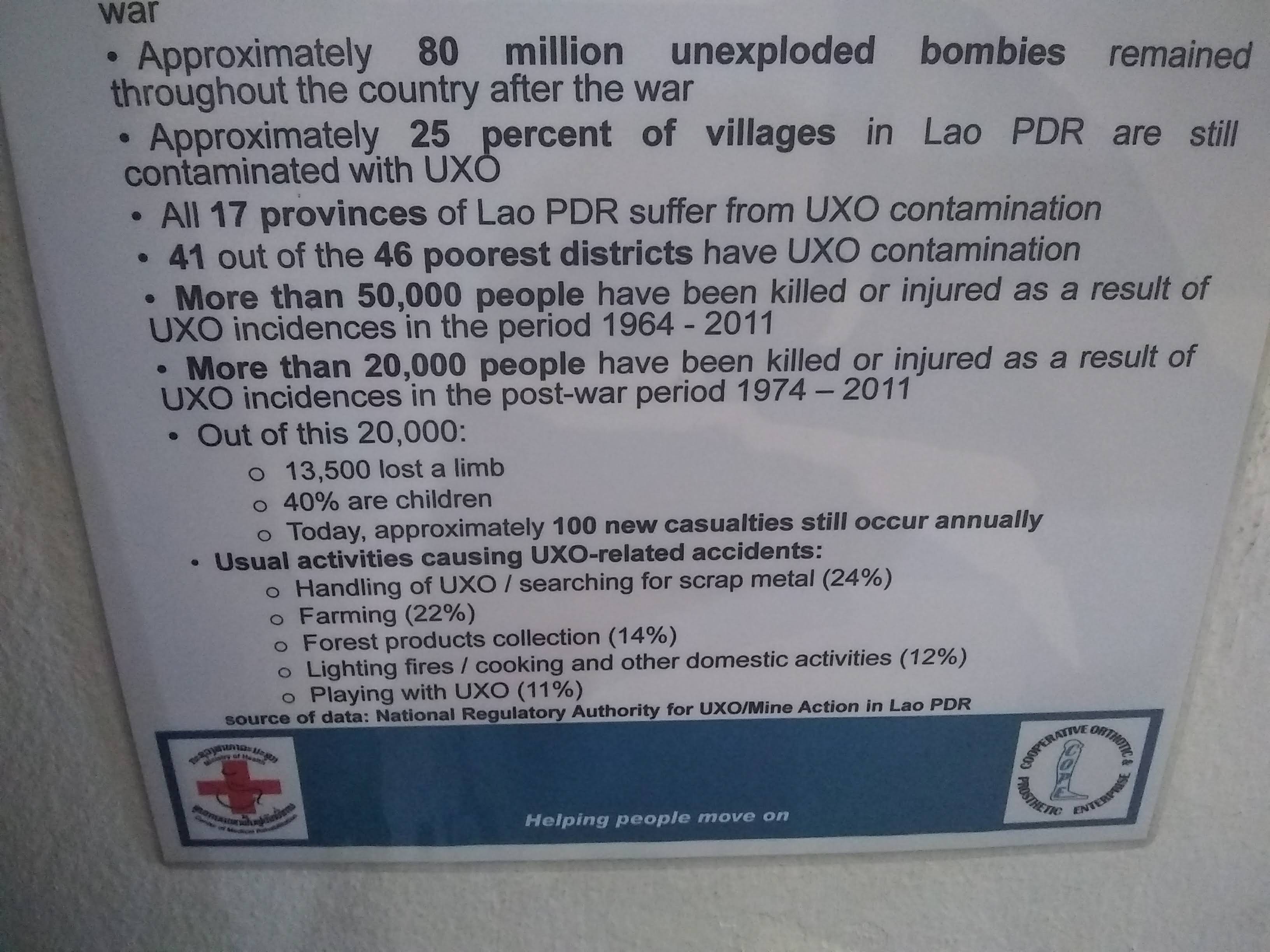
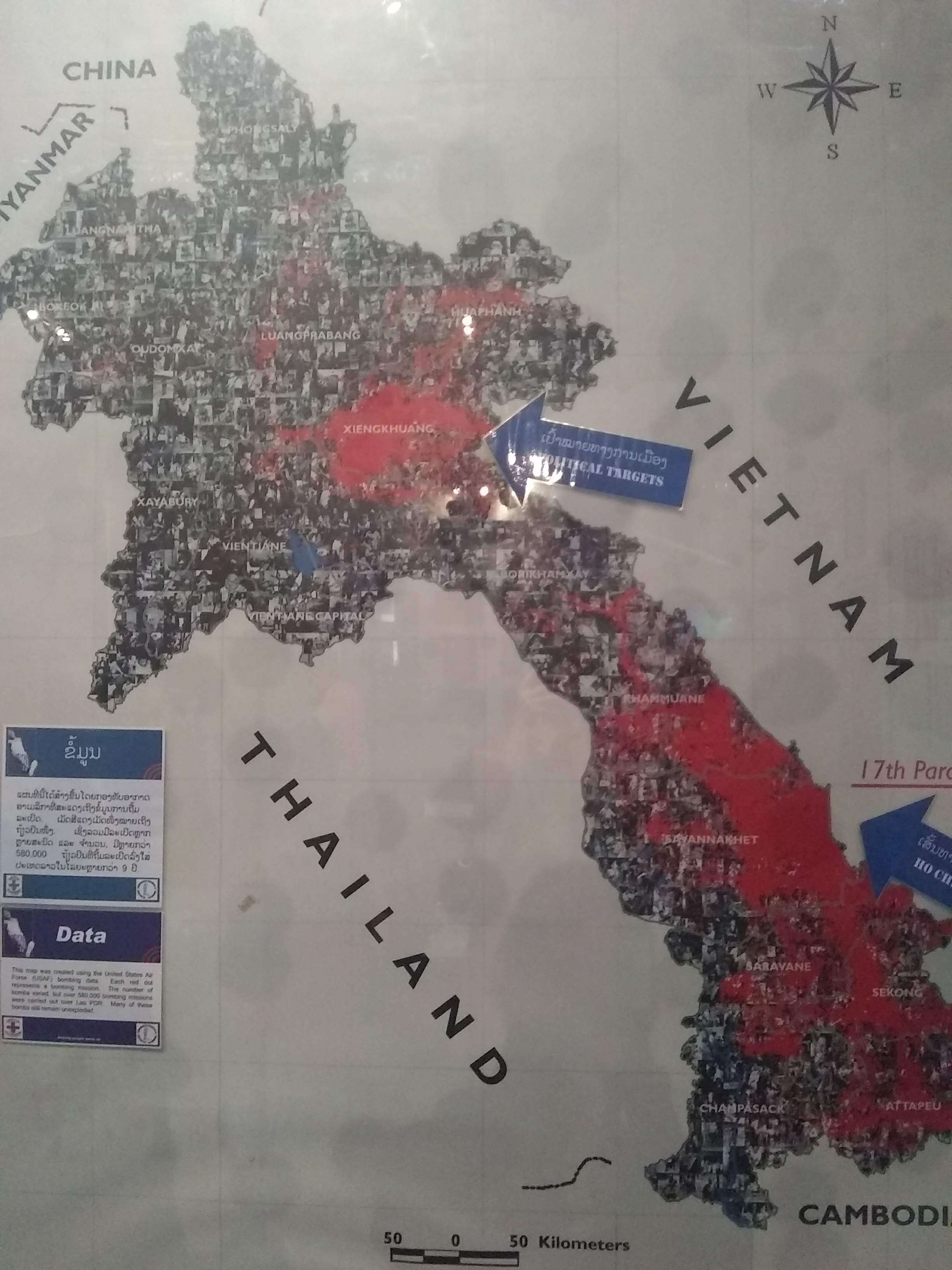
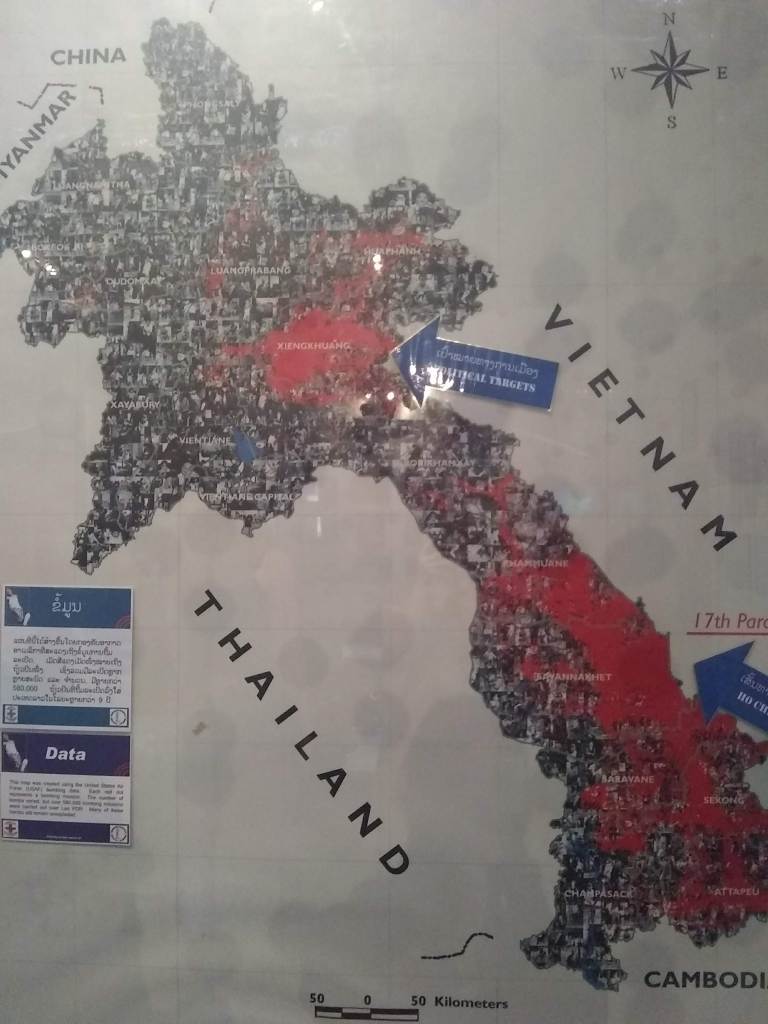
I will also briefly add that an animal hospital’s status as a tourist sight is how many good causes achieve recognition and funding in a globally connected world. In the same vein as this topic, I visited a land mine museum while in Laos. I would not consider land mines as a tourist destination and the topic is heart breaking. And even though I probably know more than many about the 20th century wars in Southeast Asia, still my perspective was expanded beyond just knowledge to faces and stories. And as a result, it is now one of the charities my family donates to regularly.
Examples need not be as exotic as falcons in UAE or landmines in Laos. Just a few weeks ago, my parents and I met in Kansas City for the weekend. Sunday afternoon my mom and I went downtown for ice cream and took a walk to kill time before dinner. We ended up encountering a few signs about the “borderlands.” As you may have guessed, I am a history nerd. And I have lived in the Northern US, Southern US and the West and feel I understand 19th century American history pretty well. However, outside the Missouri compromise and trail of tears, the perspective of the boarderlands is not something I’d ever considered. And while I could have read about it from home, I would have 1) had to know it was a “thing” and 2), I doubt it would have the same effect in my living room as it did at on the banks of the Kansas river. I didn’t know anything before my trip, and to be honest, since coming home, I’ve been to the library twice and I haven’t checked out a single book on the topic. But I am forever changed and smarter by spending10 minutes imagining what the 1860s frontier must have been like for homesteaders, military, politicians, native Americans and the decisions being made that would affect the next two hundred years.
Agnes goes on to argue that people “do not know what they are doing but are not even trying to learn.” While I agree that most could try harder while traveling, I also believe you are changed without trying at all. The most simple example is the drive from the airport. In almost every destination, I learn from my taxi or Uber driver.
In Washington DC you will experience first had the persistence (and failure) of the American dream.
In Argentina after the 2018 election, I saw the first-hand disgust at the American electoral process. It was also during this cab ride that I was reminded that I am from the United States and not as I answered “America”. The Americas encompass two continents and dozens of unique counties and cultures.
In Kansas City I heard first-hand accounts why the city was great and drivers had moved there from other parts of the country and the state.
In Feb 2011 while in Bahrain I heard about the Arab Spring from my driver who was upset about the conditions in the country. I should note, this was in the very first days of the movement and before it was even called the Arab Spring.
And in Jordan I got to hear about a father’s anticipation of his daughters upcoming wedding thereby challenging (if not breaking) some of my stereotypes about the middle east.
All of these examples are real. And none of them required me to do anything other than to politely say, “how are you today?”, and maybe, “how long have you been driving?” And as a result, I learned something about not just a person, but about the culture and place I was visiting.
A particularly disturbing comment – “when you travel, you suspend your usual standards for what counts as a valuable use of time.” However, I think the opposite is true. The nature of temporary leisure allows the space to focus and to actually spend your time in ways you value most. Think through your typical day. I am happy with the choices I’ve made. I am blessed with family, friends, a job I love, in a city I love, with more resources than most. But daily routine is marked with making sure the bed is made, the floors are clean, food shopping and commuting to the office. Those are necessary uses of time but not valuable uses of time. Valuable uses of time whether at home or aboard are spending time outside, walking, learning something new, being with people I love…. All activities that are compatible and enhanced by travel.
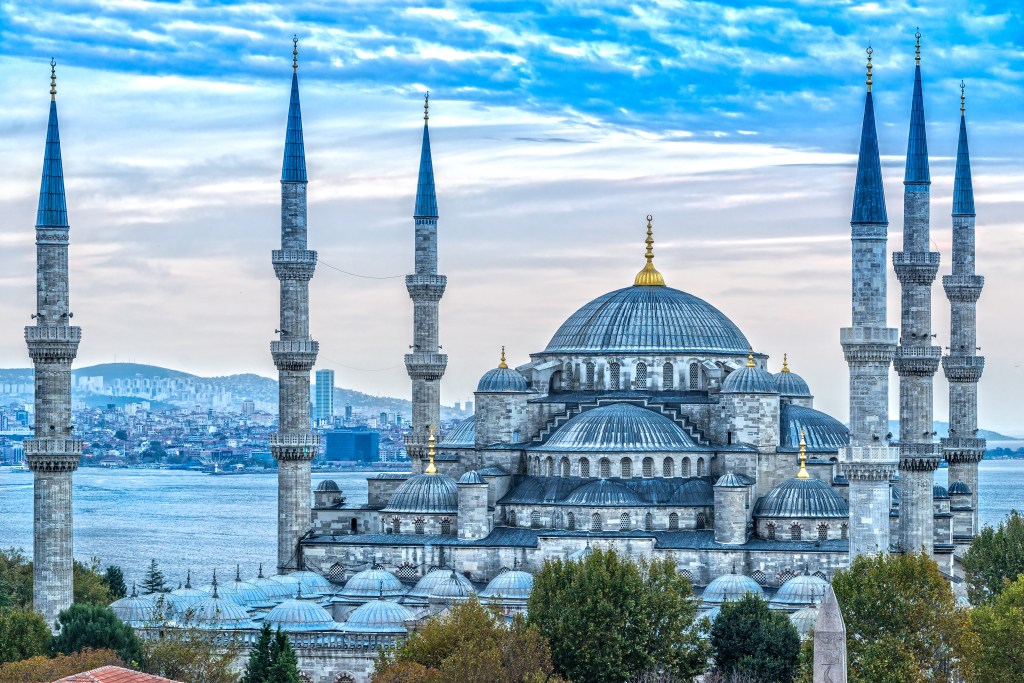
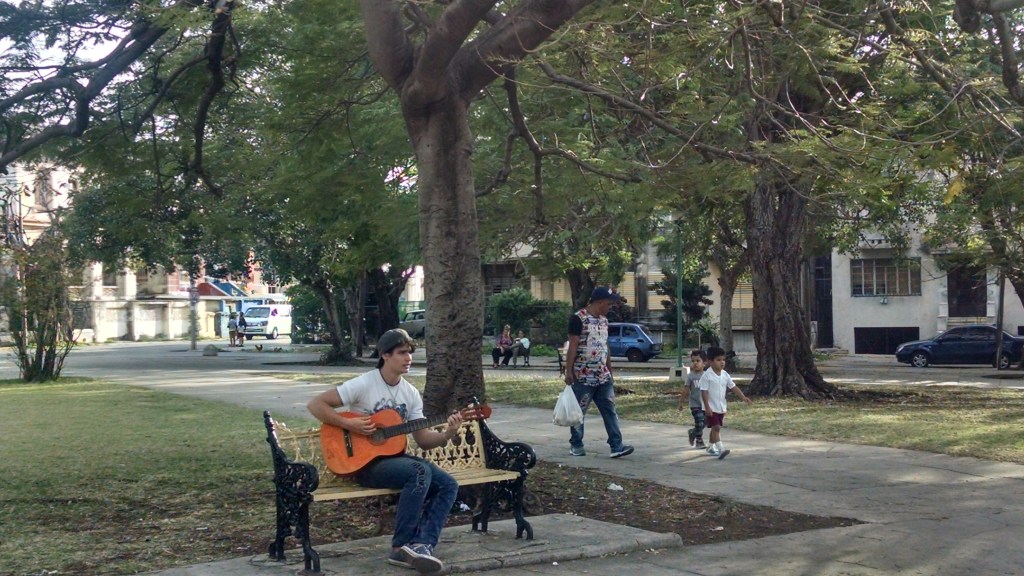
Maybe most upsetting is her assertion that “travel prevents us from feeling the presence of those we have travelled such great distances to be near.” “Feeling the presence” does not mean you need to make new friends or fall in love. Even at the most basic level, travel allows you to “feel the presence “ of a place and its inhabitants. In Havana I was struck by how early the city comes alive and watching fathers walk their children to school and nuns hanging out in the parks. I was in Antigua on a Sunday and felt like the whole city was out enjoying the weather and green spaces. Over the course of a few years, I visited mosques in Turkey, Albania, Indonesia and Bahrain. Their expressions of religion, history and culture were each different and gave me perspectives on the presence of those who live there.
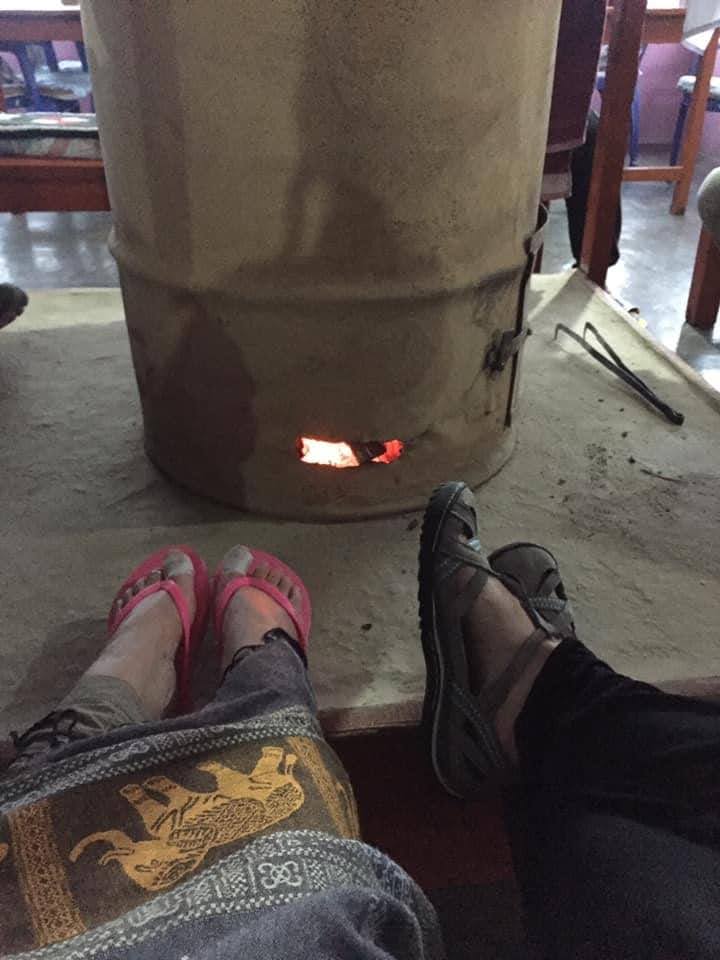
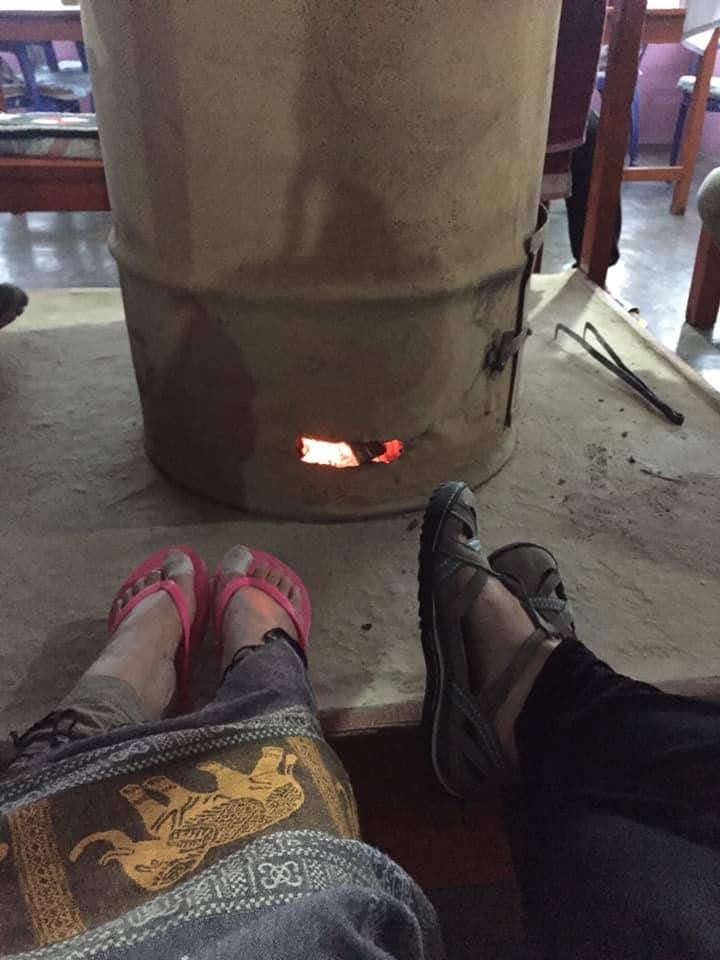
I disagree that a traveler is a “boomerang” and you come back unchanged. The degree of change may vary based on the type of travel, intent and individual but I believe every experience changes us. The photo I choose for this blog reminds me of one of my most favorite days ever. A day of hiking in Nepal ended by sharing a bottle of whiskey and sitting around this fire with a group of Nepalese guides and sherpas. I can’t get that from a book!!!
Even at the most superficial level – I never liked Pineapple until I went to Nicaragua or Yogurt until I went to Macedonia. How much more will we change and grow when we pay attention to more than just the food.
During World War Two, Kyoto was not bombed because Harry Stimson, the US Secretary of War, had visited on his honeymoon and had an affinity for the city. Unfortunately, that did not prevent the bombing of other Japanese cites…. but the point is, in an increasingly global and polarizing world, the more we understand and appreciate other cultures and places the better we will all be. It is hard to think of people as “others” after you have shared a smile, sat in a park watching kids play, and worshiped in their temples.

Agnes concludes her argument that “travel splits this expanse of time into the chunk that happens before the trip, and the chunk that happens after it…” And briefly argues that travel is to distract us from death. I love the quote from Robert Southey, “Live as long as you may, the first twenty years are the longest half of your life.” Gretchen Rubin argues this is because the first twenty years are filled with novelty. One of the greatest benefits of travel is that it brings diversity and novelty to our lives. If we live in a city, we can visit the country or the ocean. It helps us experience and internalize our own lives. Instead of summers that blend together, you remember the summer that we went to Prague and my brother had a broken leg. Or in Nov 1989 when we went on a long-planned trip to Berlin just weeks after the Wall fell. It wasn’t intentional but I saw history in the making. (Photo of me and my brother chipping a piece off the Berlin Wall in 1989)

I know my examples are simplistic. That was on purpose. Most of our lives have very few singular life changing, a-ha, burning bush moments. Instead, our lives are filled with routine and if we are lucky, quiet and steady opportunities to grow and change. This can come in the form of talking to new people, reading a book, a museum, a new food and TRAVEL. And travel has the benefit of them all! Little by little, like the changes water makes to the grand canyon, these trips and experiences will change us.

 Life Kinetic Travel Research