
I spent over a year planning an amazing 10-day trip to the Baltics. Here is a rundown of what we loved, what we should have skipped, and what is on my list for next time.
Estonia:
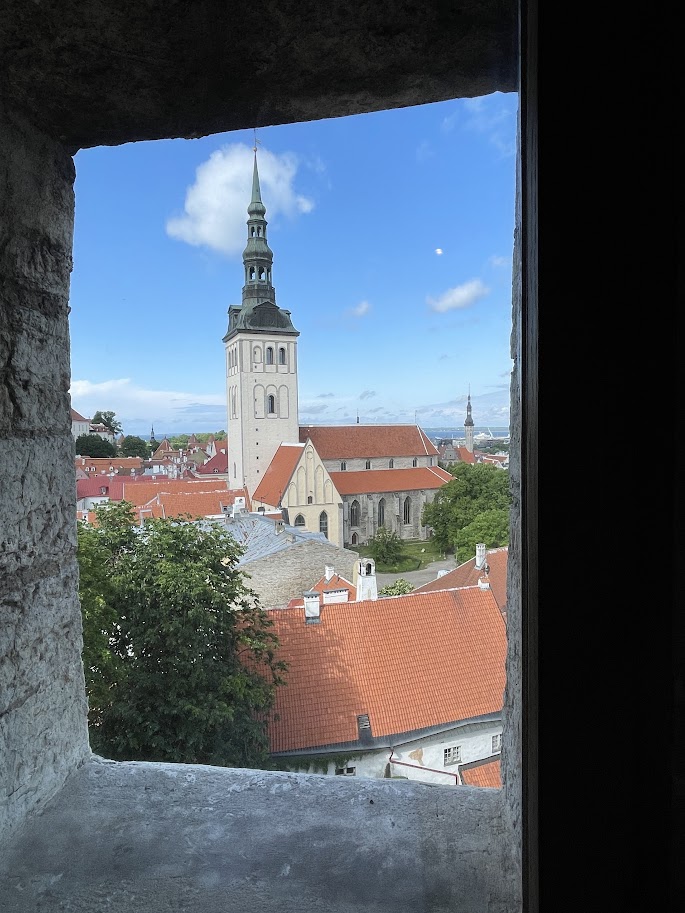
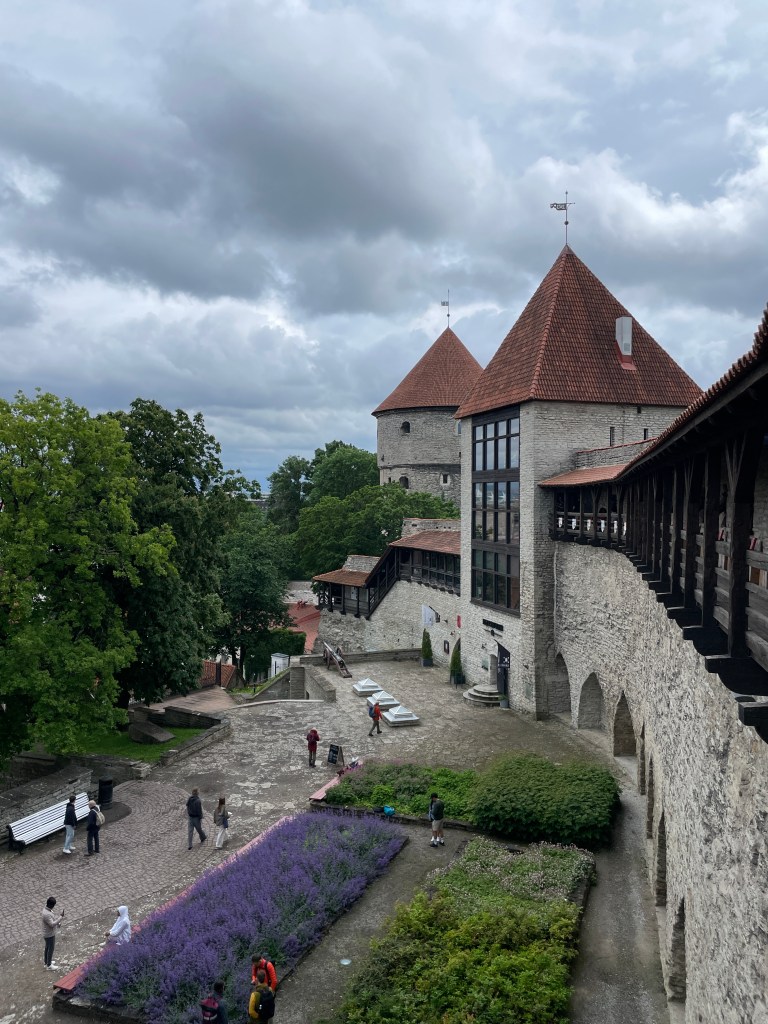
Tallinn is an amazingly beautiful city. It immediately went on a short list of beautiful places! It is known for its intact medieval architecture and old city walls. Like many old cities, I highly recommend you try to stay in the city center. This allows you to walk around and admire the city without the extra crowds. I recommend 2 full days in Tallinn to enjoy the sights and soak up the ambiance.
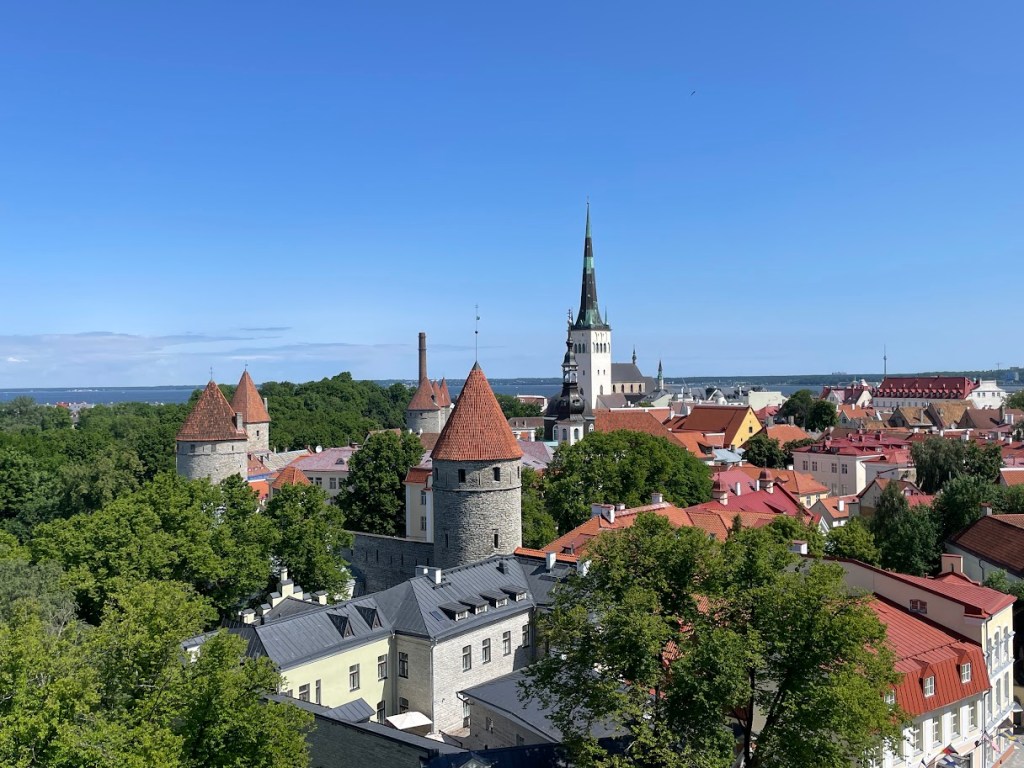
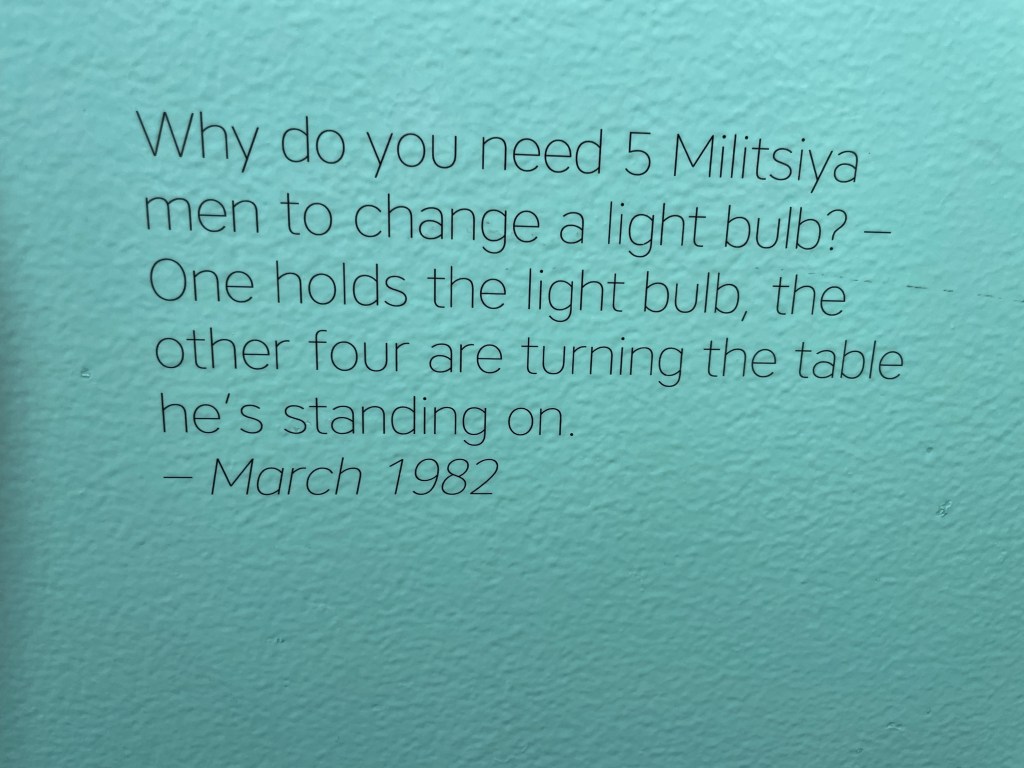
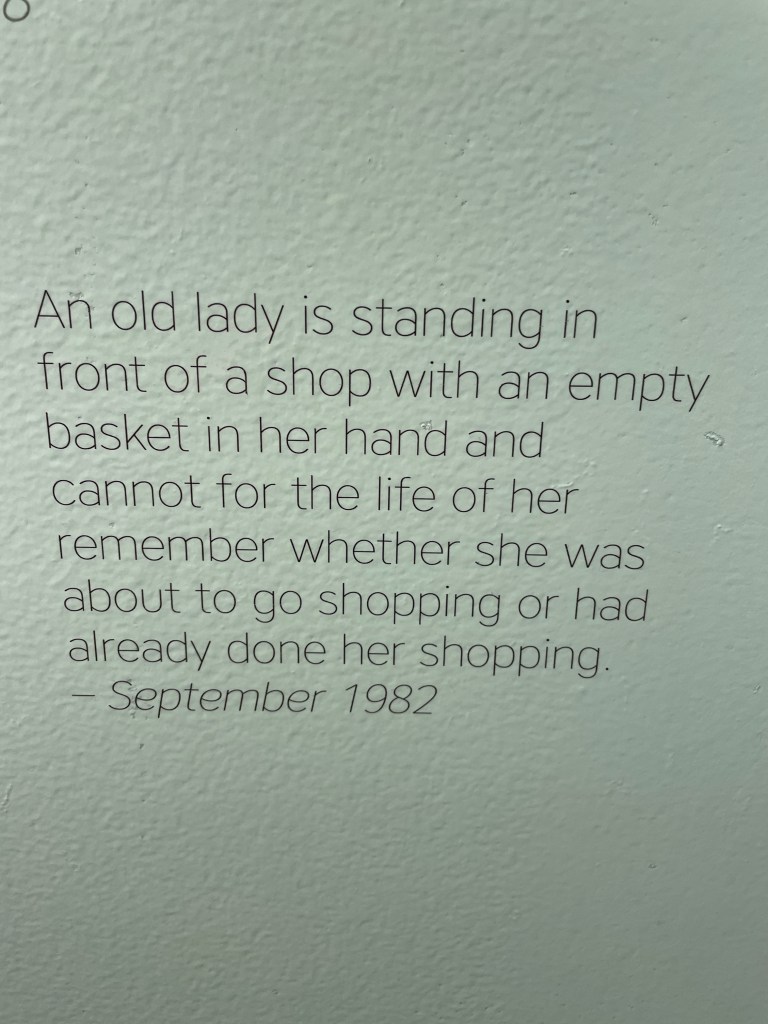
Just walking around the city and the free walking tour was my highlight for our two days in Tallinn. Kiek in de Kok is an eclectic museum located inside the city walls and towers. It was well worth the price of admission to view the exhibits and see the outstanding views of the city. Plan at least 2-3 hours at the museum. The museum of Occupation and Freedom was the only other museum we had time for. I would recommend a quick visit so you can understand the similarities and differences in the history and timelines between Estonia and its other Baltic neighbors.
Tallinn has some amazing food. I’ll limit my recommendations to just three:
Rataskaevu16 shows up in most lists of where to eat in Tallinn for a reason. The food was outstanding, the location is beautiful and the service was superb. The bread pudding was good that we returned the next night to get it to go. Advance reservations are required.
Lore Bistroo was recommended by our tour guide. It is walkable from the old city or a short ride away. It has outside seating on the water and a fabulous menu. Everybody loved their meal and I enjoyed the asparagus so much that I got a second order for dessert!
Crock and Crumb has AMAZING studdle! We probably tried a dozen varieties and then went back for more!
All three of the Baltic countries feel strongly about Nature and it is a core part of their culture and identity. While traveling in the region, I recommend visiting at least one national park. We visited Lahemaa National Park in Estonia and really enjoyed it. It is the largest and oldest national park in Estonia and is beautiful!
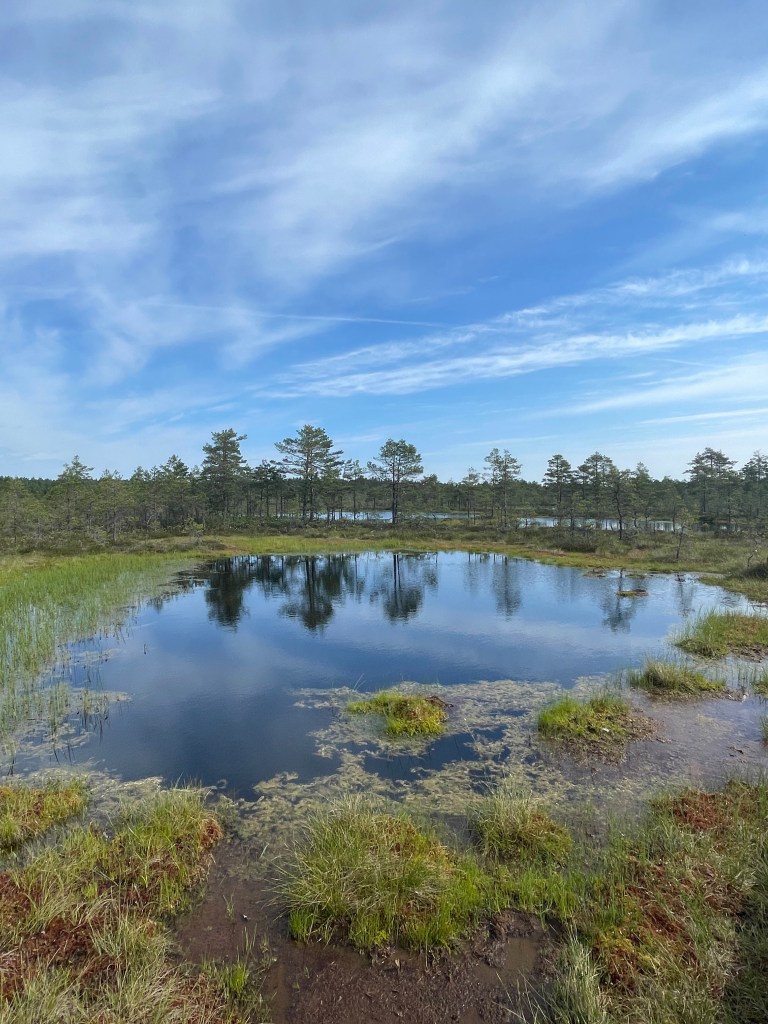
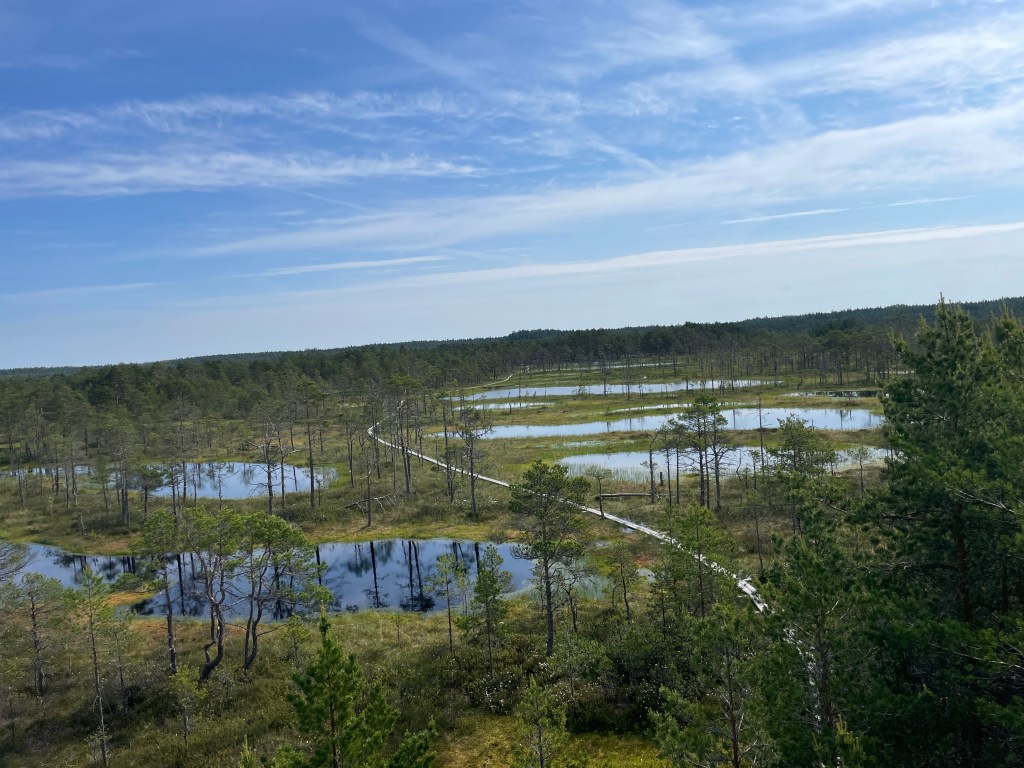
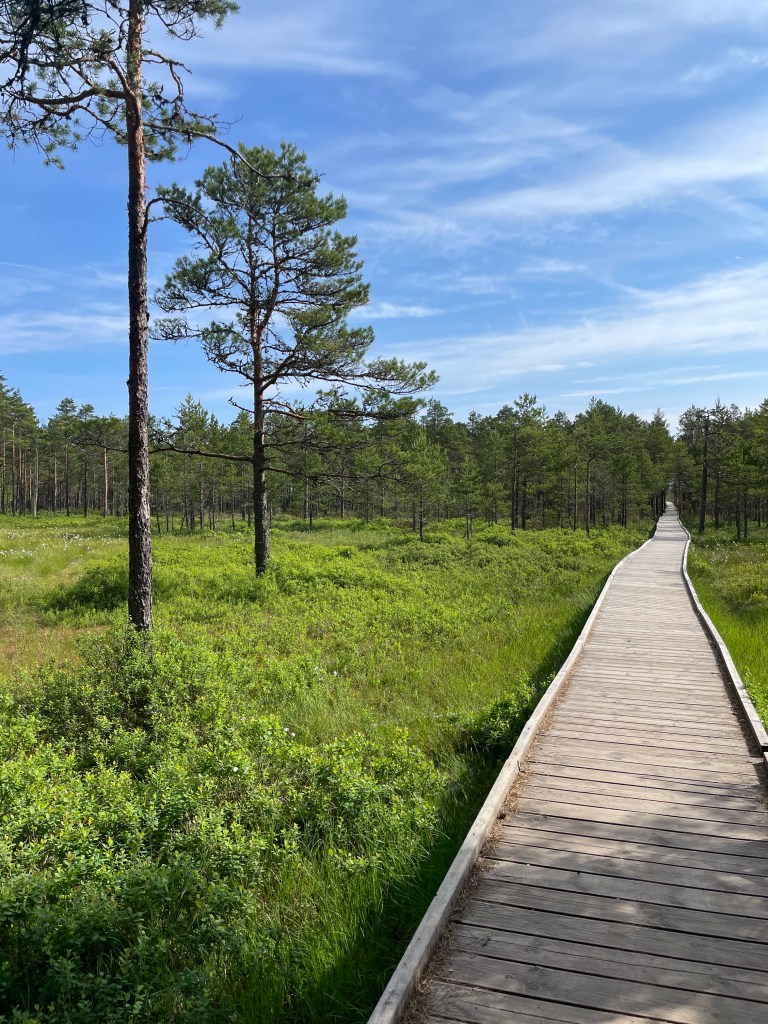
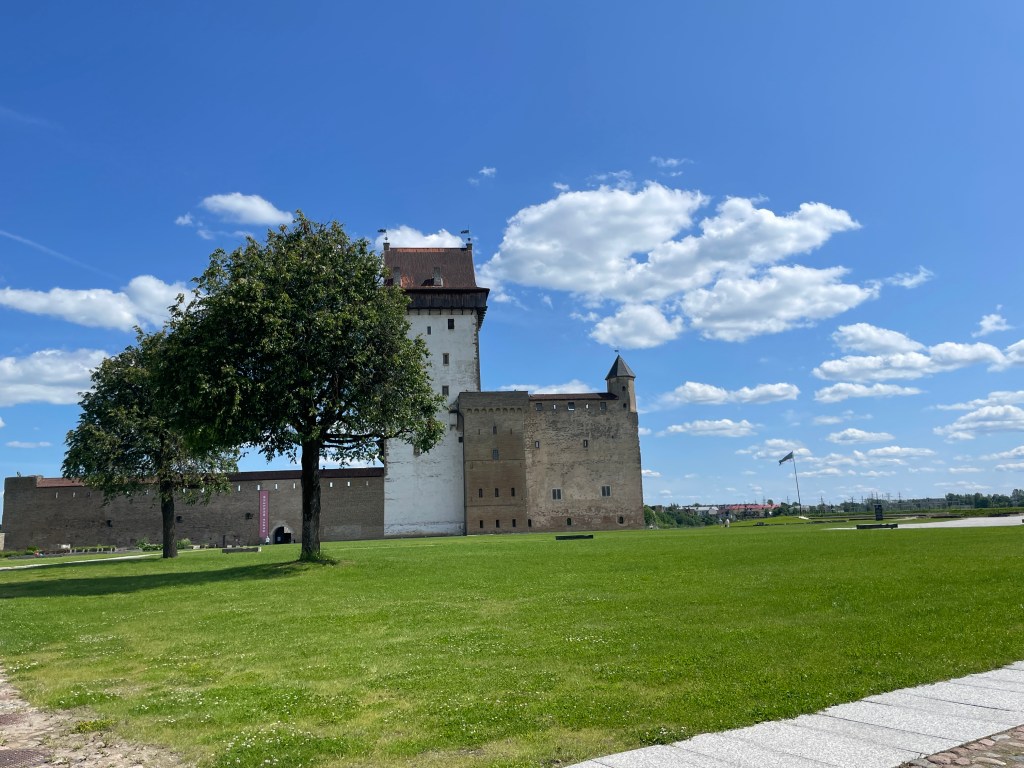
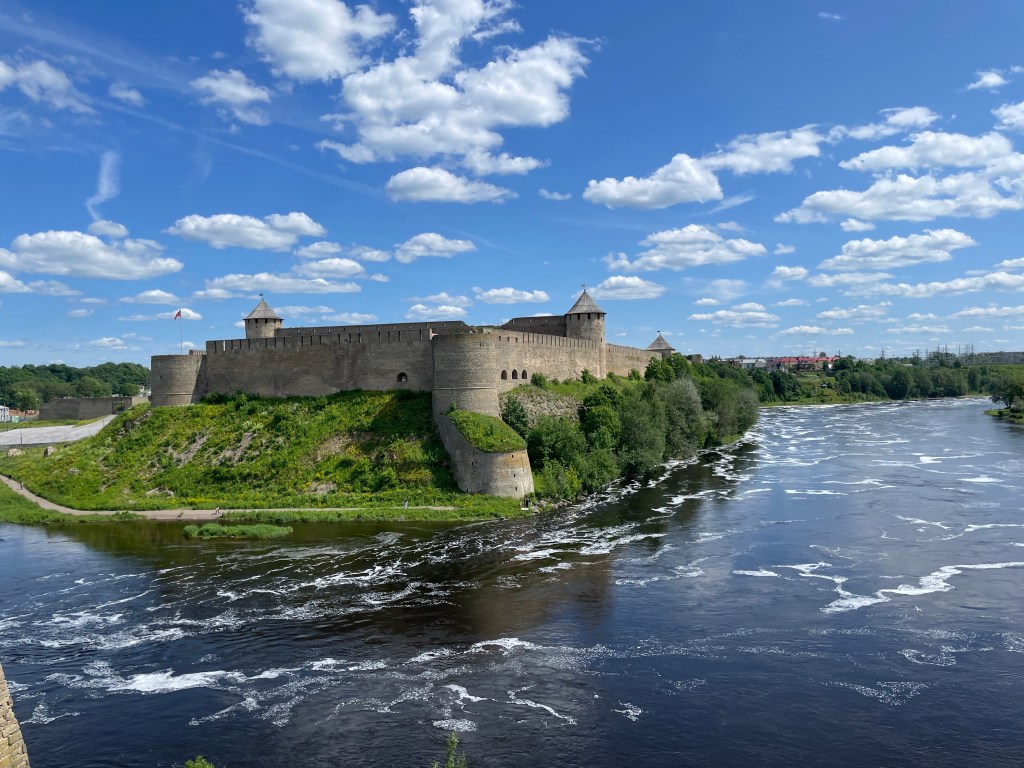
I picked Lahemaa because it was enroute to Narva Estonia. Between when Estonia joined NATO in 2004 and when Finland joined in 2023, Narva was the most eastern point of NATO. You can see Russia across the river, there is a pedestrian border crossing and as you drive you will see distance markers for Saint Petersburg. Narva has a castle from the 13th century and across the river you can see the Russian Ivangorod Fortress from the 15th century. There is not a lot to do and see in Narva and most of the city was destroyed in World War II. We also had our worst meal of the trip in Narva. That said, it was still a great stop and everyone in our group that it was well worth the extra drive.

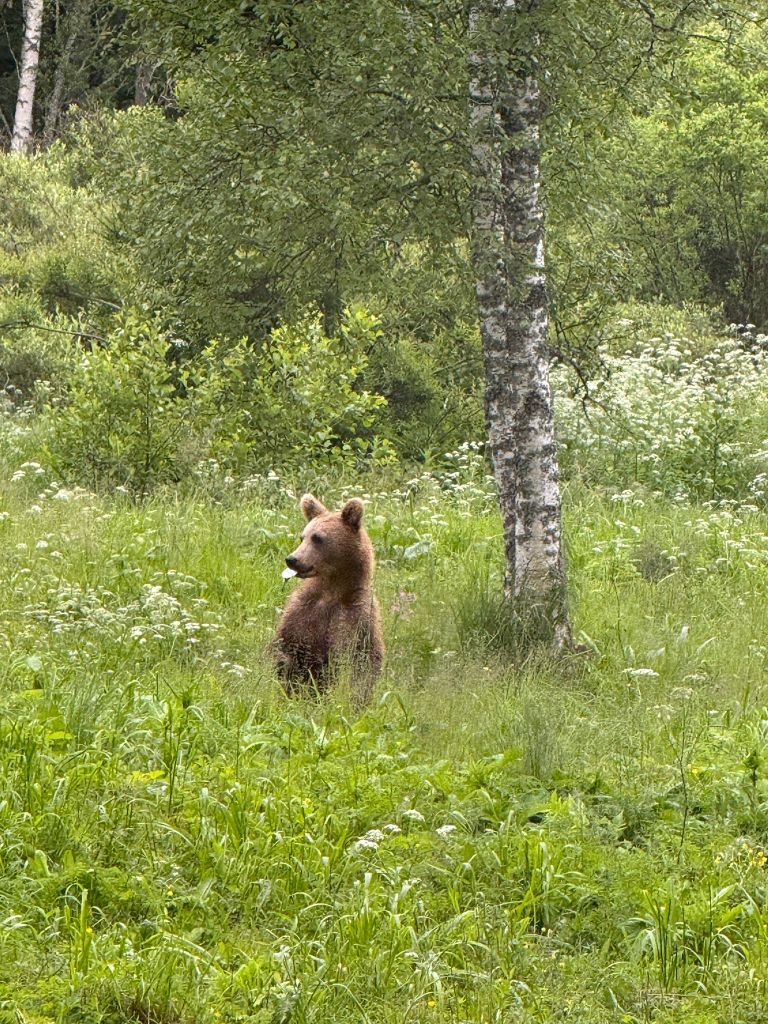
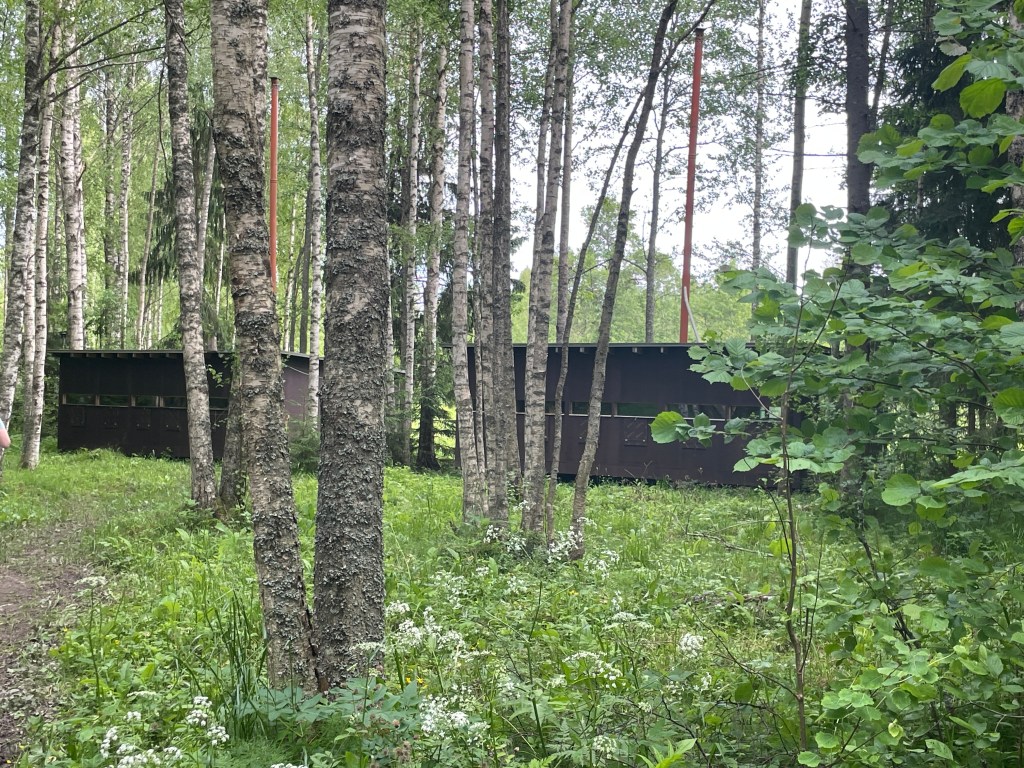
I love wildlife and one of my priorities was to see bears in Estonia. I booked a cabin through Natourest and it lived up to my expectations. Our guide met us at the designated spot, and we walked about 30 minutes through the forest to the cabins. We saw four bears and a Racoon Dog. It then started raining pretty hard and all wildlife took refuge, and our sightings were over for the night. But still a fun and unique experience.
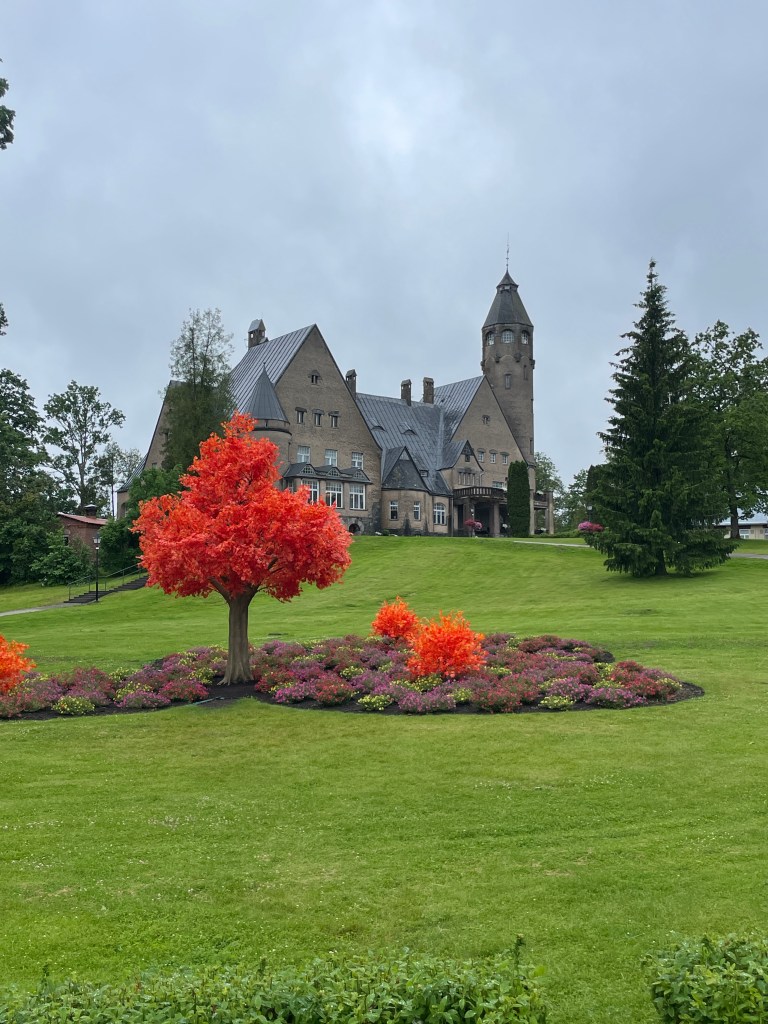
Our final night in Estonia was spent at Wagenkull Castle and Spa. This is a beautiful property with a wonderful spa and good onsite restaurant. During our time there the grounds were decorated for summer in an Alice and Wonderland theme but this changes throughout the year. Wagenkull Castle is one of many old Manor Houses and castles that has been restored into a hotel and I would definitely stay in at least one during a visit to Estonia.
Latvia
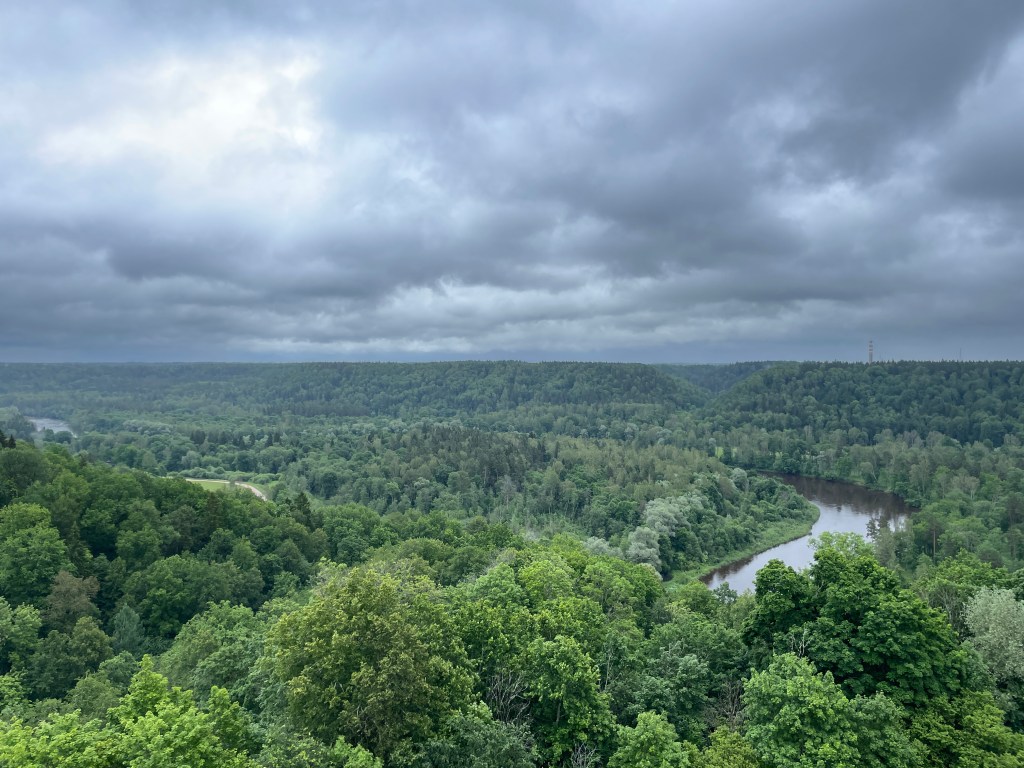
In Northern Latvia is the town of Sigulda. This can either be enroute from Estonia to Riga, as a day trip from Riga, or even as a destination in its own right. Sigulda has a medieval castle complex that takes 2-3 hours to fully explore, Turaida Castle which needs only about an hour and Gutman’s cave which while underwhelming has inscriptions and graffiti from the 17th century. If staying longer than just a few hours, Sigulda is also home to Guaja National Park and tons of outdoor sports and adventures.


In Riga we stayed at the Neiburgs hotel which I would highly recommend. The rooms are exceptionally spacious, and the hotel is in a fantastic location in the old town. The connected restaurant is known as one of the best in town, and while it has good food, we found the service to be pretty horrible.
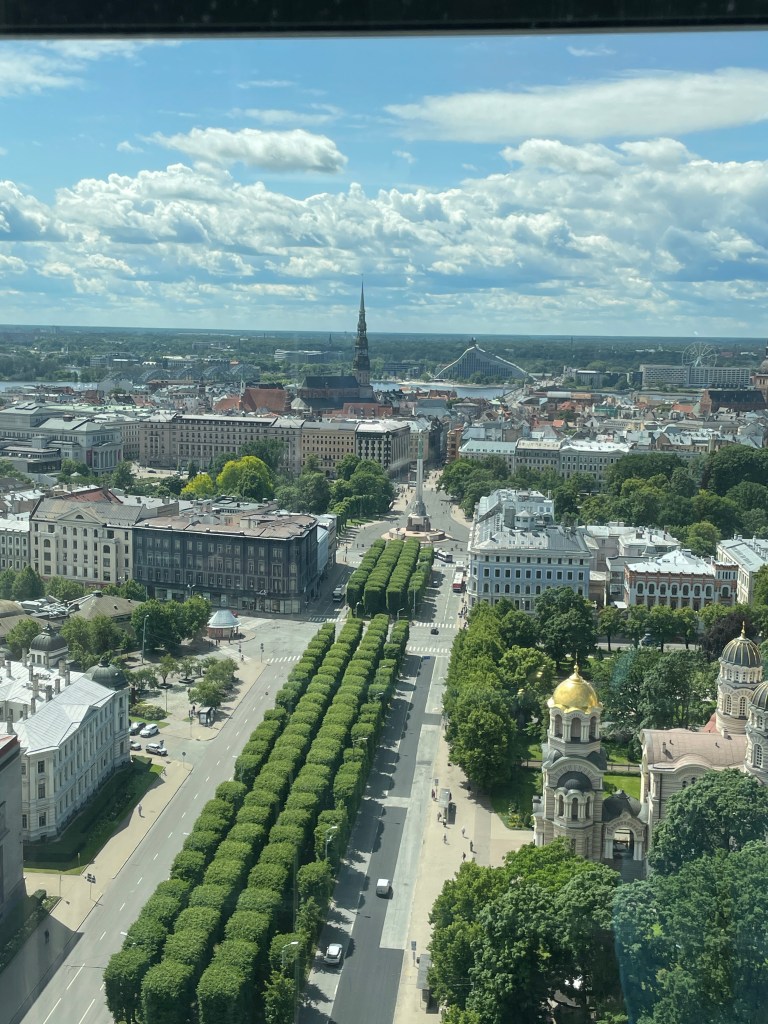
Riga is much larger than Tallinn. And while I did not think it is as pretty, I did think there was more to do and see there. I had 1 ½ days in Riga but feel like I could have done at least one more day, maybe even two.
Big Bad Bagels is a great place for a filling and affordable breakfast or lunch. They have a huge variety of creative sandwiches. The Flying Frog was recommended by our guide and ended up as one of our favorite meals of the trip. Friends stopped for sushi at Yakuza Sushi and thought it was as good as anything they had when living in Japan. Lido was also recommended by our guide. And while it is more cafeteria style, the food was very good, affordable, it is filled with locals, and they have a lovely outside patio in the main square.
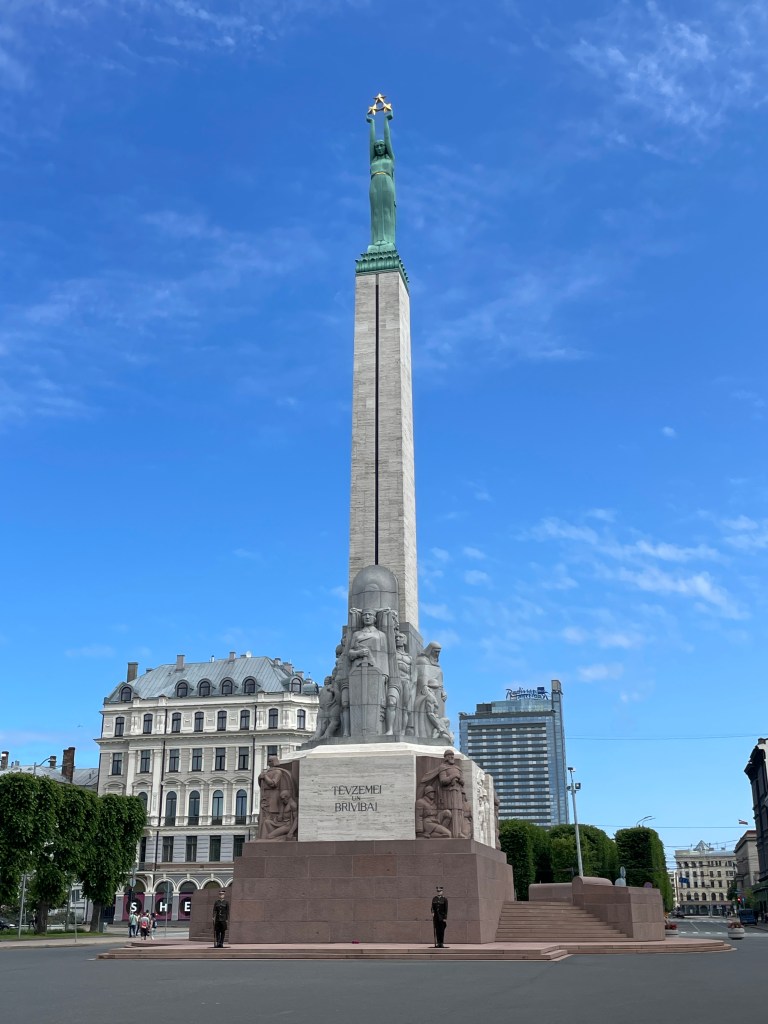
I love museums as a way to learn about a destination. Riga has several wonderful museums. The Corner House is a former KGB Headquarters and is interesting and free to walk around. There is also a daily tour that I didn’t do. The Barricade Museum is a small museum that tells of the unique Riga history of a January 1991 when the Soviet Union tried to reoccupy neighboring Lithuania. By far the most interesting was the Museum of the Riga Ghetto and Holocaust in Latvia. The museum is in the former ghetto and these exhibits do a fantastic job of telling aspects of the history that are rarely told. A full list of Riga museums can be found at Museums and galleries | LiveRiga.
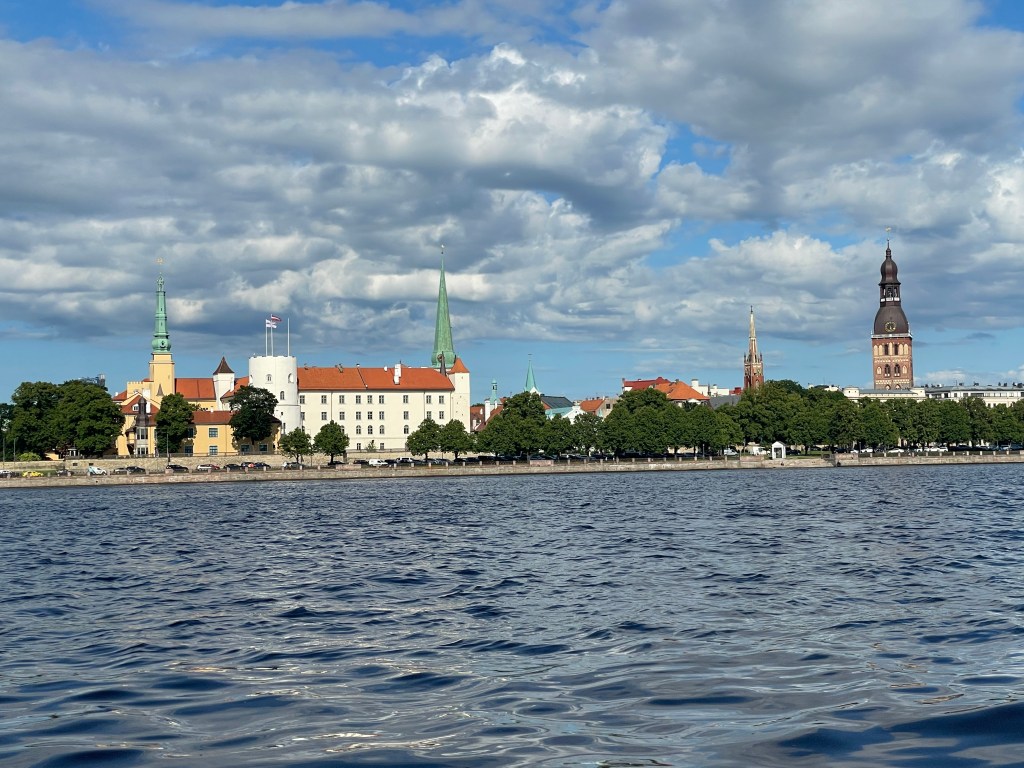

We took a day trip to Jurmala which can be done easily by car or train. If driving, parking is limited and there is a 3E tax per car which you will need to pay online. Jurmala is a Baltic seaside town full of old wooden structures from the 19th century. We were there on a cold rainy day, so it was hard to decide if I recommend it or not. But if there on a rare hot summer day, there are over 20 miles of beautiful beaches which could make it a fun outing.
Lithuania
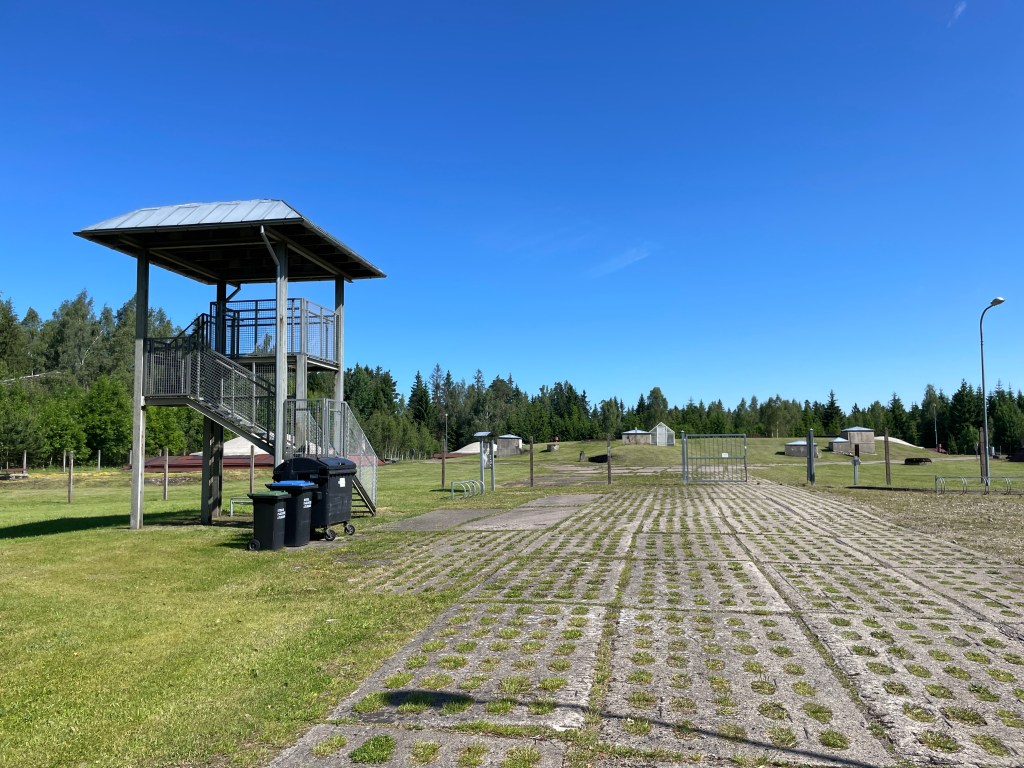
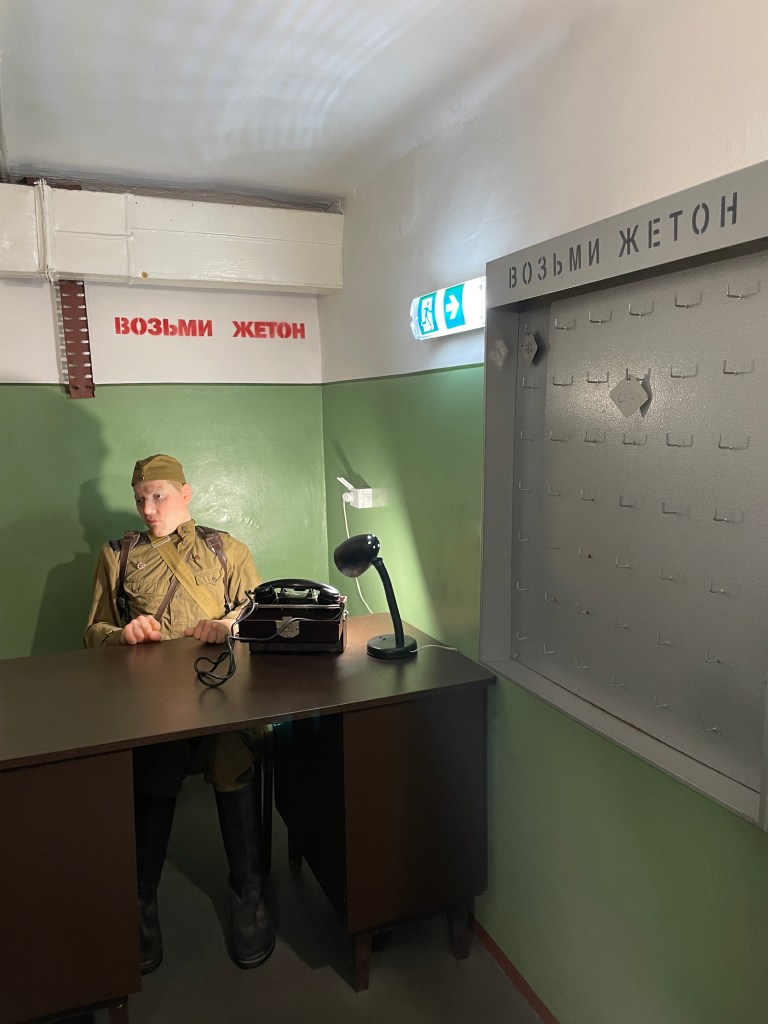
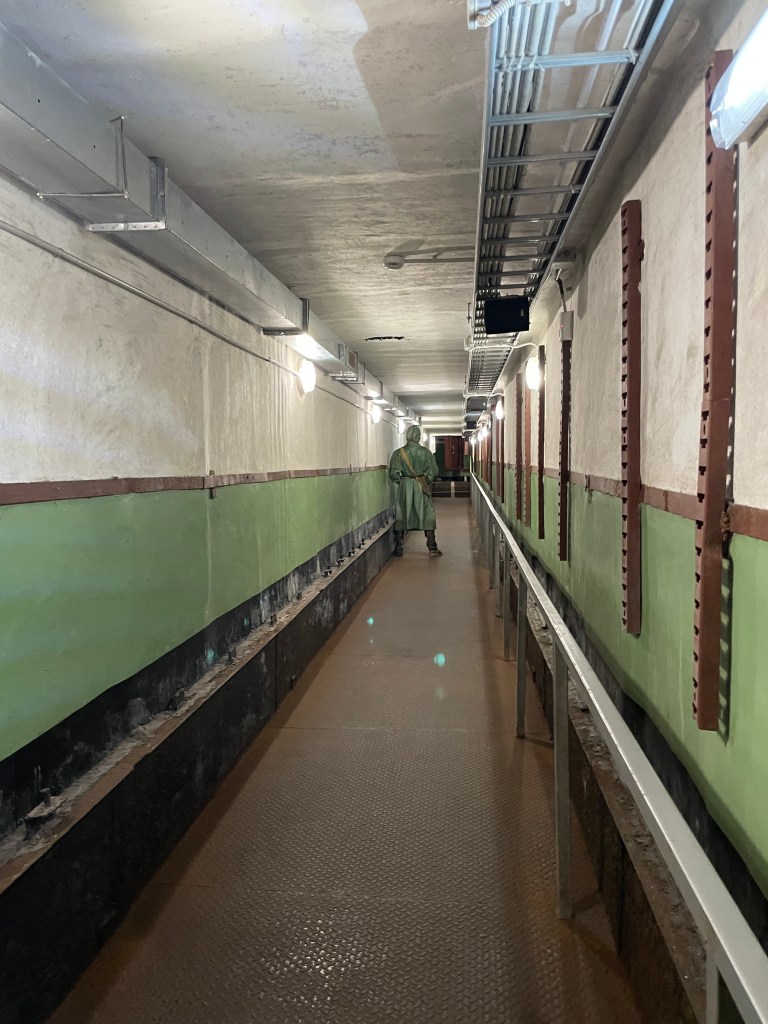
Enroute between Riga and Vilnius we stopped at Diva missile silo, an old Soviet nuclear site. This is out of the way but really unique and I would recommend it if this sounds remotely interesting. You need about an hour for the visit to walk around.

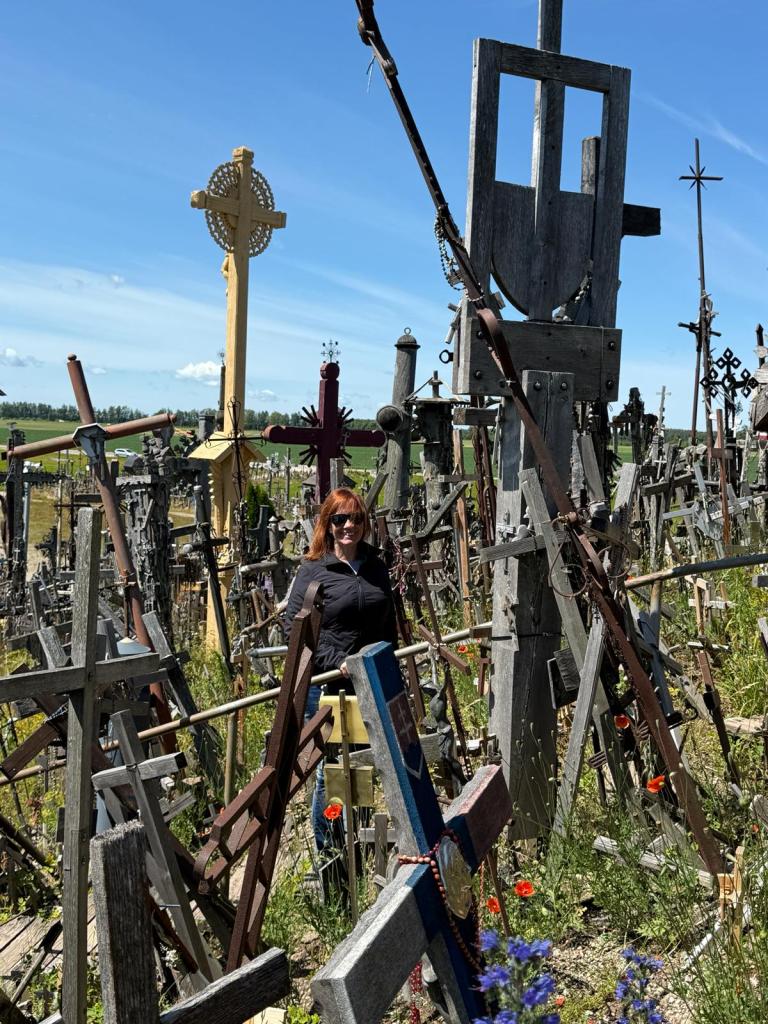
From Vilnius, three other day trips or enroute stops include the Hill of Crosses, Eupora Park and Trokoi. The tradition of leaving crosses on this site dates back to the early 1800s. This is a quick stop but definitely worth it. Europa Park is expensive and there is not a lot there – except it is the geographic center of Europe, which I thought was cool to do. But other than saying I’ve been there – it is probably not worth the trip. On the other hand, Trokoi is the historic capitol with two castles on a beautiful lake and was definitely worth the time. While in Trokoi we ate at Blynu Namai for Lithuanian cuisine.
A full day or two is needed for Vilnius. We were there on a Monday when most things are closed which was disappointing. I can’t recommend the Blue Lotus enough for fantastic Indian and Thai food. We ate there twice. Bistro16 and Portobello were both ok but I thought they were overhyped in other blogs. We had breakfast at Karstos Galvos which has a wide and filling menu.
Transportation:
It was important to me to travel North to South and to access from the sea. Based on my knowledge of the region, I know how important the Baltic Sea is to these three countries, and I wanted to enter them gradually and not abruptly land at the airport. Because we were a large group, we used Helsinki as a staging location and then took the two-hour ferry from Helsinki to Tallinn. I loved this approach. However, there are obviously other ways to do it. Based on invasions and kingdoms of the past you would make a strong argument that overland from Poland or Russia also would provide a great dynamic to the trip. However, if you decide to travel to the Baltics, or elsewhere, I just encourage you to think about some creative approaches and not just fly in and out.
We also rented a car to travel between the three countries. Drive times are about the same as flying once you account for getting to/from the airport and at the airport. Additionally, this provides flexibility to see more of a country than just the capitol city.
For all three countries, download Bolt for rideshares as it is more common than Uber. Additionally, Apple maps tends not to work as well as Google maps or Waze.
Other Tips:
I always recommend free walking tours and especially so in the Baltics. It is a great way to see the cities but also to learn about their similarities and differences.
Not only was English spoken everywhere, it was the default language.
Credit cards were accepted everywhere. This was especially true in Estonia but in Latvia and Lithuania there were only a couple of occasions when cash was preferred.
Also for Tallinn and Riga, look up when the cruise ships are in port and plan your trip accordingly if possible.
As for all destinations, research the holidays and traditional days things are closed. It wasn’t a problem in Estonia or Latvia, but in Vilnius most museums are closed on Mondays and Tuesdays but are free the last Sunday of the month.

 Life Kinetic Travel Research