
Africa gets under your skin. I recently made my 5th trip and visited my 10th country on this amazing continent. The time between each trip gets shorter and the trips get more off the beaten path. This time I returned to West Africa for two weeks to The Gambia, Senegal and Guinea-Bissau. Here is what we did, what I recommend and what I would change next time.
The Gambia:
We really enjoyed The Gambia and it was our favorite country of the three. The culture felt exceptionally respectful. Strangers were friendly and kind. Almost everyone we passed said hello and many struck up a conversation.
When you look at a map of The Gambia it is obvious that the Gambia River is the lifeblood of the country. Therefore, the river was the focus of my visit. Unfortunately, West Africa is also the site of the Atlantic slave trade, and I wanted a second experience to compare and contrast with Goree island in Senegal (and hopefully a future trip to Ghana). And as I’ve said many times, I love capital cities and wanted some dedicated time to explore Banjul.
As I explain later, transportation to The Gambia was difficult to arrange. It was a logistics puzzle to line up the number of days desired in each country with the flight schedule. To have three full days in The Gambia, to have Senegal as my second destination and to make my reservation in Guinea-Bissau, required that I fly from Istanbul on Turkish Airlines. I’ll note that if flying on points and miles, it is likely you will need two tickets – one to Istanbul (or your staging location) and then one to Banjul.
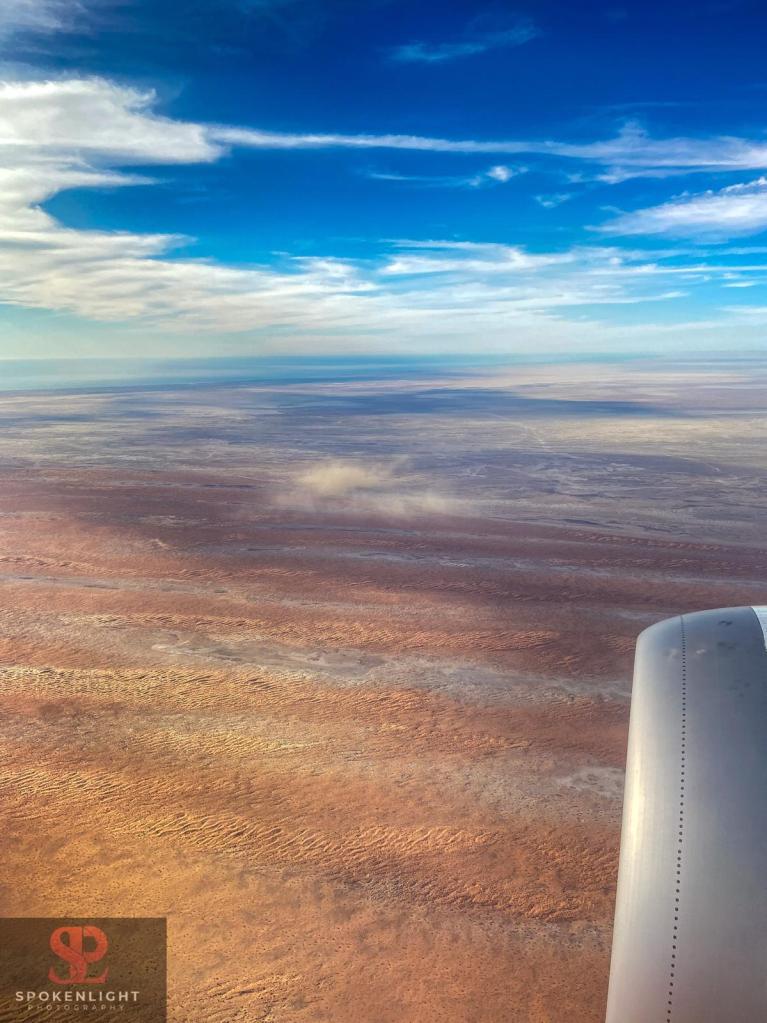
A few additional side notes about the Turkish Airlines flight from Istanbul. This is a 10 hour flight. Business class was 45,000 miles and $69 USD. It is not lay-flat but was very comfortable. The flight flies low over the Sahara and has a stop in Nouakchott which was fascinating. I chose this route because I was backing up the dates from when I could get a reservation at Orango in Guinea-Bissau. Additionally, Turkish Airlines has a flight Sunday afternoon and late Sunday evening which provides the most flexibility of routes. However, if we had more flexibility on our dates, I think the flight from Casablanca or Brussels would have been easier and more direct.
The Banjul airport staff were extremely friendly. You will pay a $20 security fee and then be directed to an office to pay $100 for your visa. We were the only ones on our flight that required a visa and the process took about 15 minutes. Baggage claim and customs was a mess with people everywhere. (Please note you will also have to pay a second security fee when departing the country). I arranged transportation through the hotel for 15E per person. I did not see an ATM at the airport.
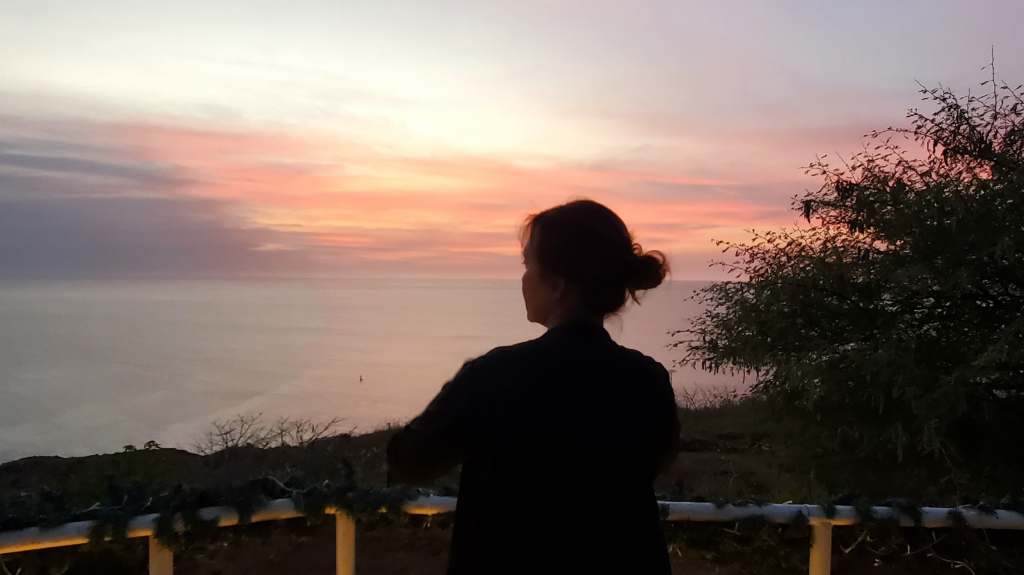
While there are some limited hotels in Banjul, most of the hotels are a few miles south. This is a stretch of hotels along a pristine coastline. Similar to many ocean front locations, there are a range of hotels from large western all-inclusive to smaller boutique hotels. I wanted a balance. I knew we would have some downtime and spend more time in the hotel than a typical trip that is go-go-go, so I wanted some creature comforts. But I did not want an all-inclusive resort where I only met Western tourists. After a lot of research, I picked Majula Boutique Hotel. The hotel was comfortable, the staff was very friendly, and the hotel had a wonderful view of the ocean. While right on the ocean, it is not a suitable beach for swimming and sunbathing. But I loved hearing the ocean at night! The hotel’s restaurant was good and within walking distance of a few fantastic locations like the Butcher’s Shop, Clay Over and Ngala lodge. (If looking for a fancier hotel, Ngala gets fantastic reviews). For half our group, this was their favorite hotel of the trip.
I booked two days of tours through Bushwacker Tours (Guided excursions in The Gambia – Bushwhacker Tours). Alieu was fantastic to work with and an amazing guide.
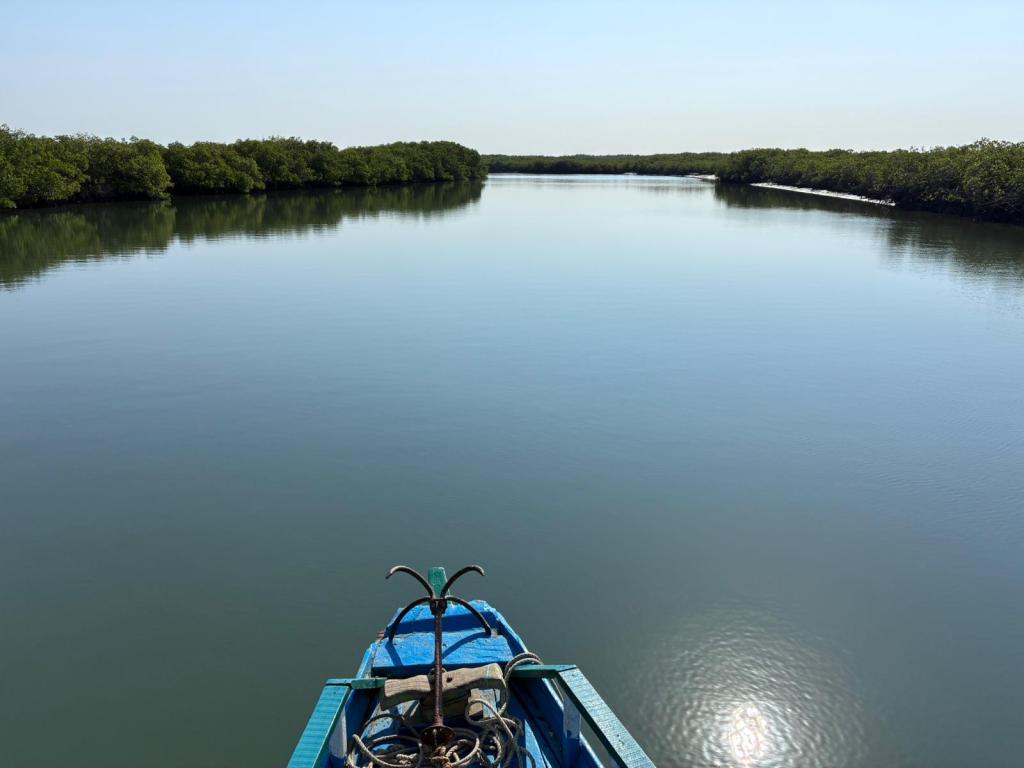
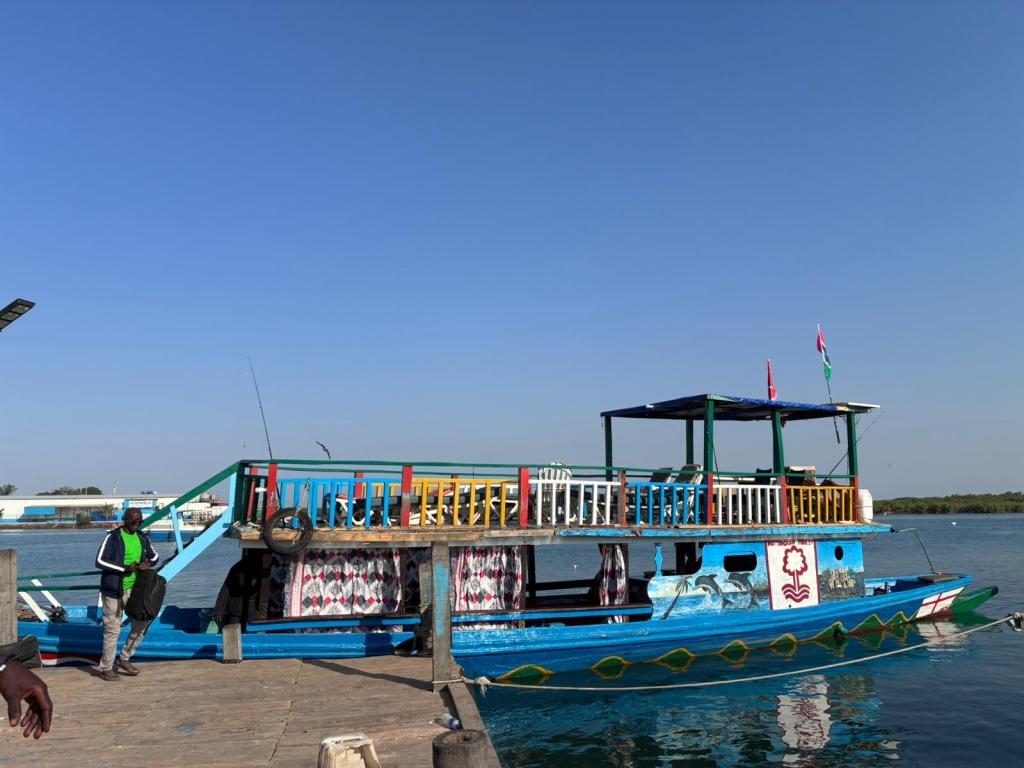
Day 1: Lazy River trip with Bushwacker Tours tours. I will note that this tour was intentionally on our first day. I specifically wanted to build a buffer for flight delays and jet lag. While spending time on the river was a priority, we would see it and “touch” it on other days and the Roots tour was more important. We spent a wonderful day in the mangroves fishing and swimming. They prepared a fantastic lunch of local favorites.
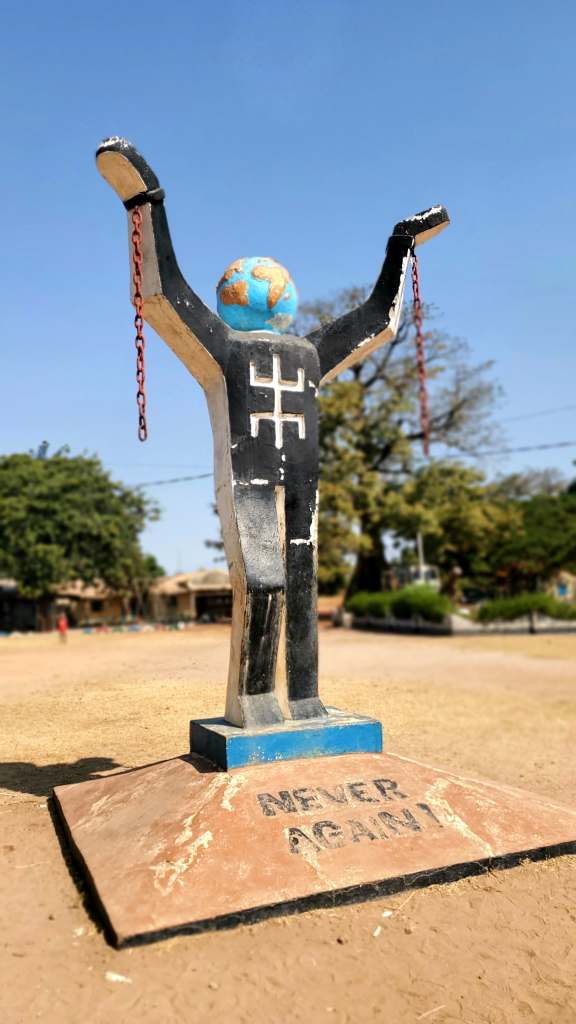
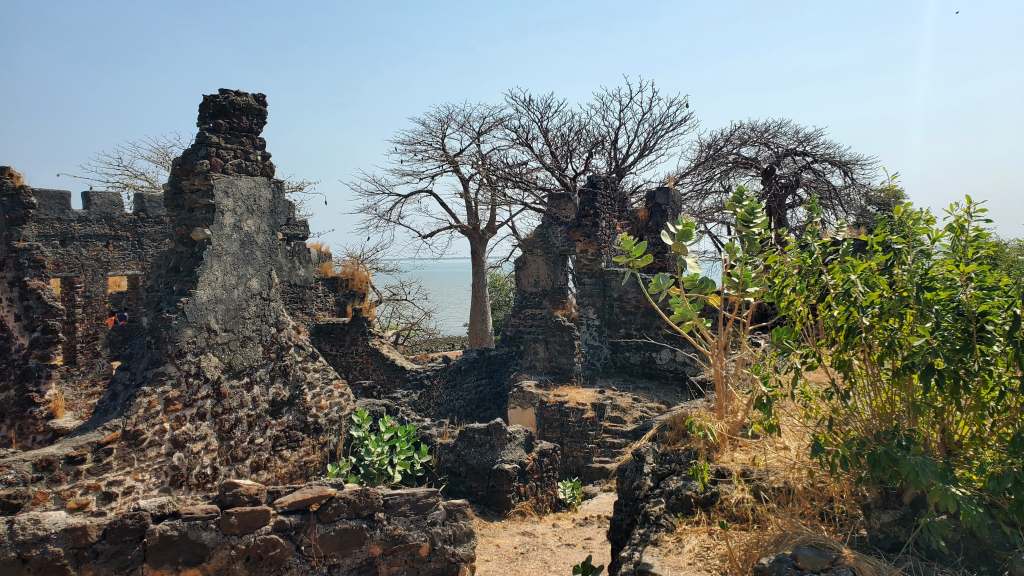
Day 2: The second day we did the Roots Tour to the slave museum and Kunta Kinteh island. I recommend watching the Roots mini-series or reading the book beforehand as it makes it a more personal experience. This is a long day that takes you on the ferry from Banjul to Albreda, and Juffureh. There is a law that the tours must use a local guide which definitely added a another perspective to the trip.
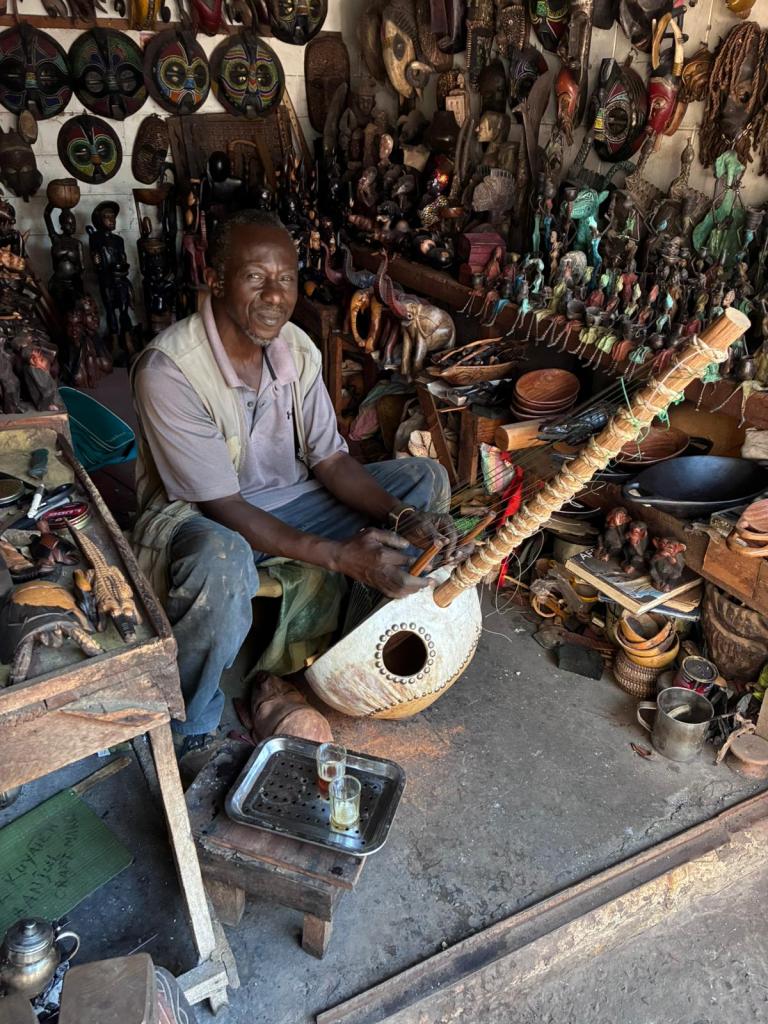
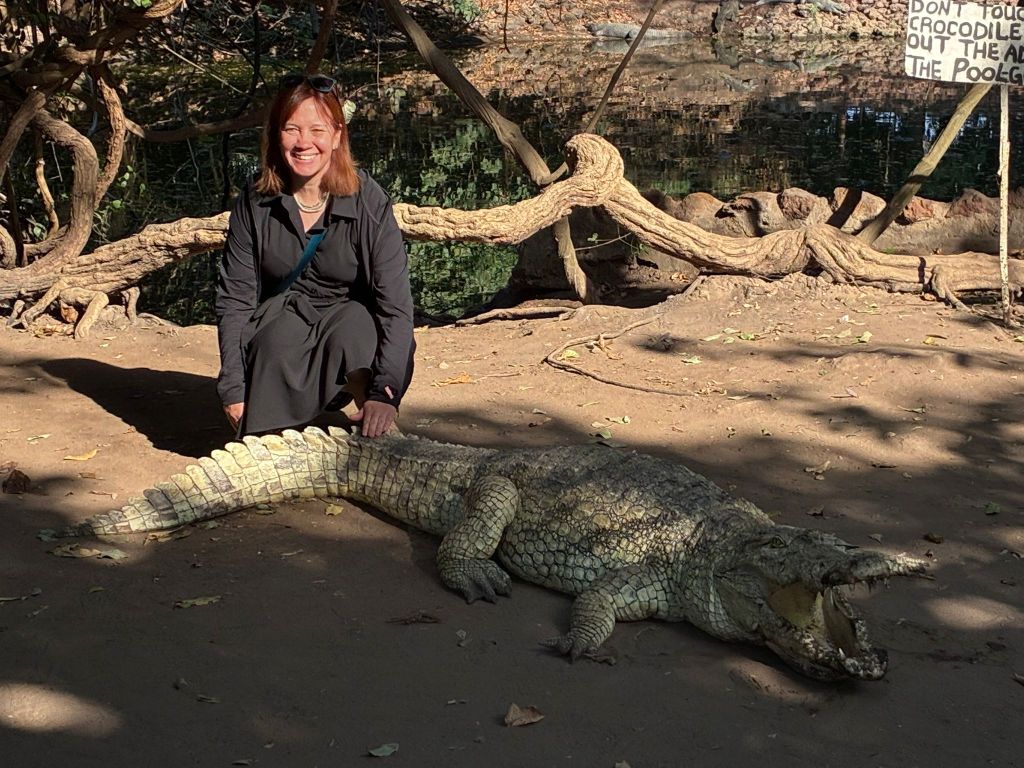
Day 3: For our last day, I hired our driver from the previous two days to take us around Banjul. This would have been hard to do and I am glad that Solomon (Solomon Tours 00220-7772876) was available. We spent the day visiting the 400-year-old Kachically Crocodile Pool (a group favorite), the Banjul museum, Albert market, with lunch at Kunta Kinteh Beach. (This was a Western all-inclusive resort, and while it had a great menu, it made me very happy about my decision to stay at Mujula Boutique hotel). I’ll also note that we stayed close to town on our last day. There are limited flights to Dakar, so I wanted to make sure there were no unforeseen circumstances that kept us from that 10 pm flight.
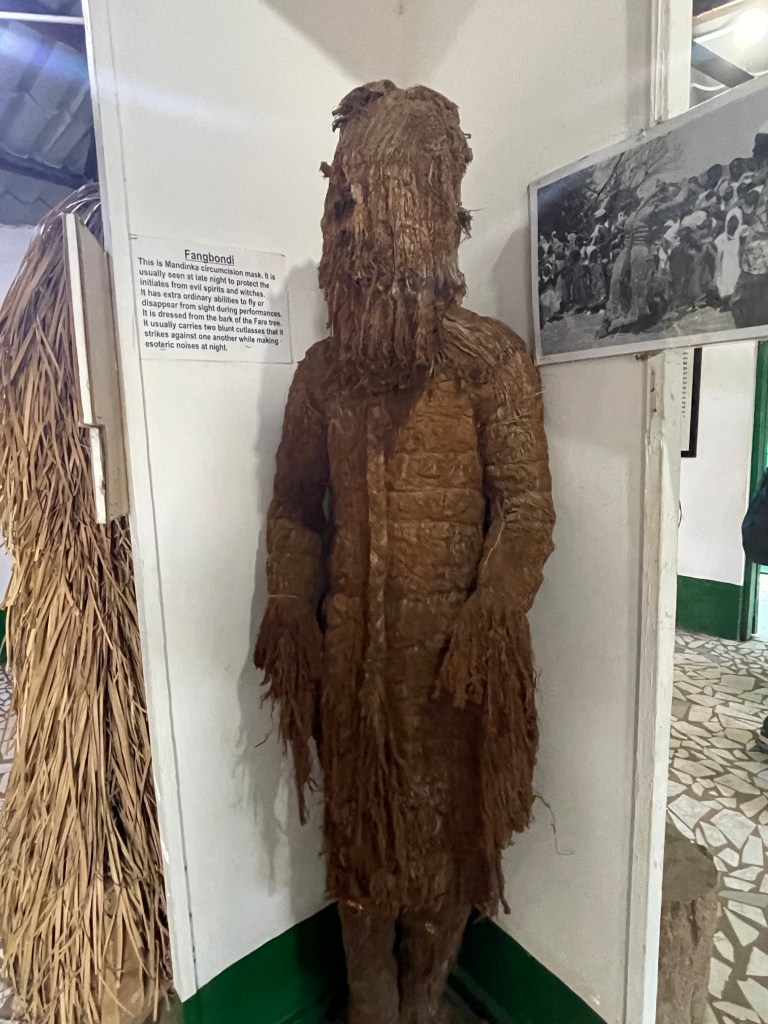
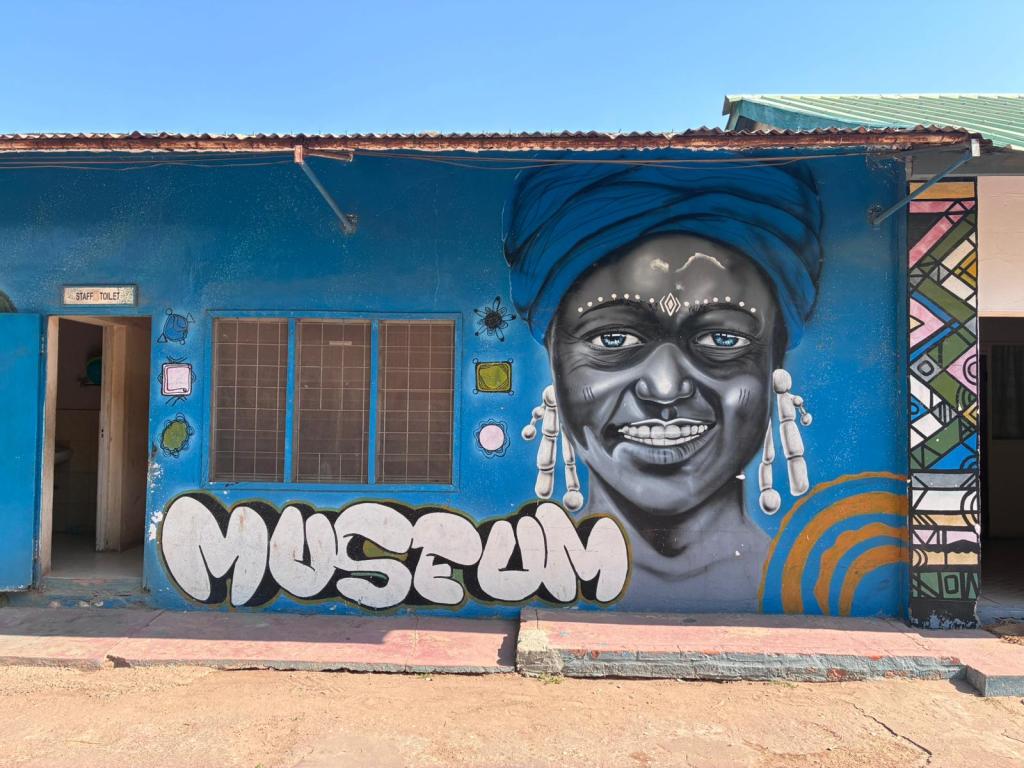
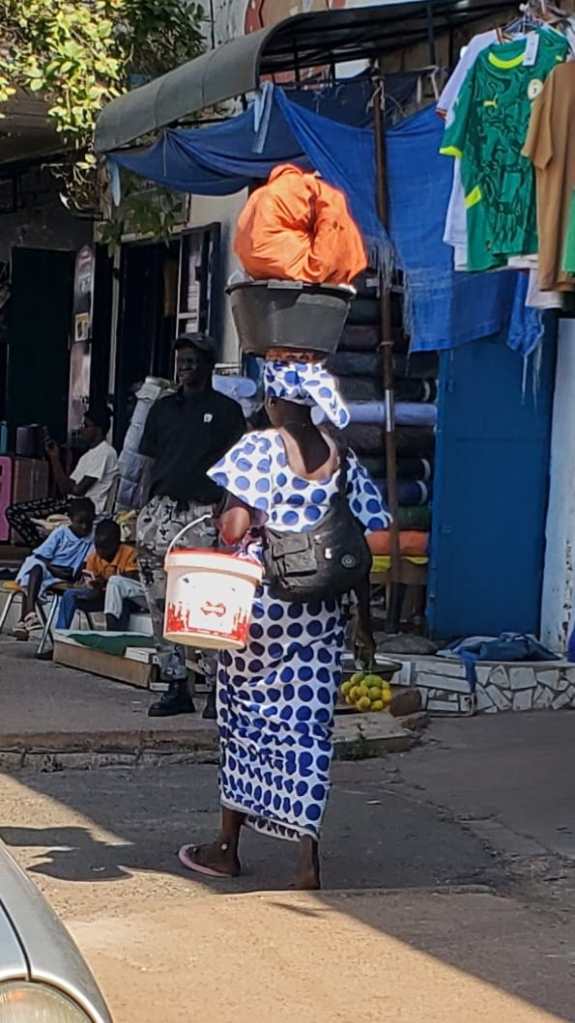
If we’d had a few more days, I would have done an upriver multi-night glamping trip.
I would take both USD and Euros for a trip to The Gambia. Additionally, I’d recommend seeing if you can visit an ATM on the way to your hotel in order to get local currency in small bills. Everywhere we went took credit cards for a fee or would take USD/Euros but the conversion and getting change was a challenge. Plan on having extra money for tips – for each of our tours there were lots of “extra” people along the way that we wanted to tip. This included our second tour guide for Kunta Kinteh, the boat to Kunta Kinteh island, and our drivers on in Albreda, the boat crew for the lazy river etc….
We flew on Air Senegal to Dakar. It is also an option to drive and after accounting for getting to and from the airport, it is probably the same amount of time. I am not positive that I would drive next time but I would definitely consider it.
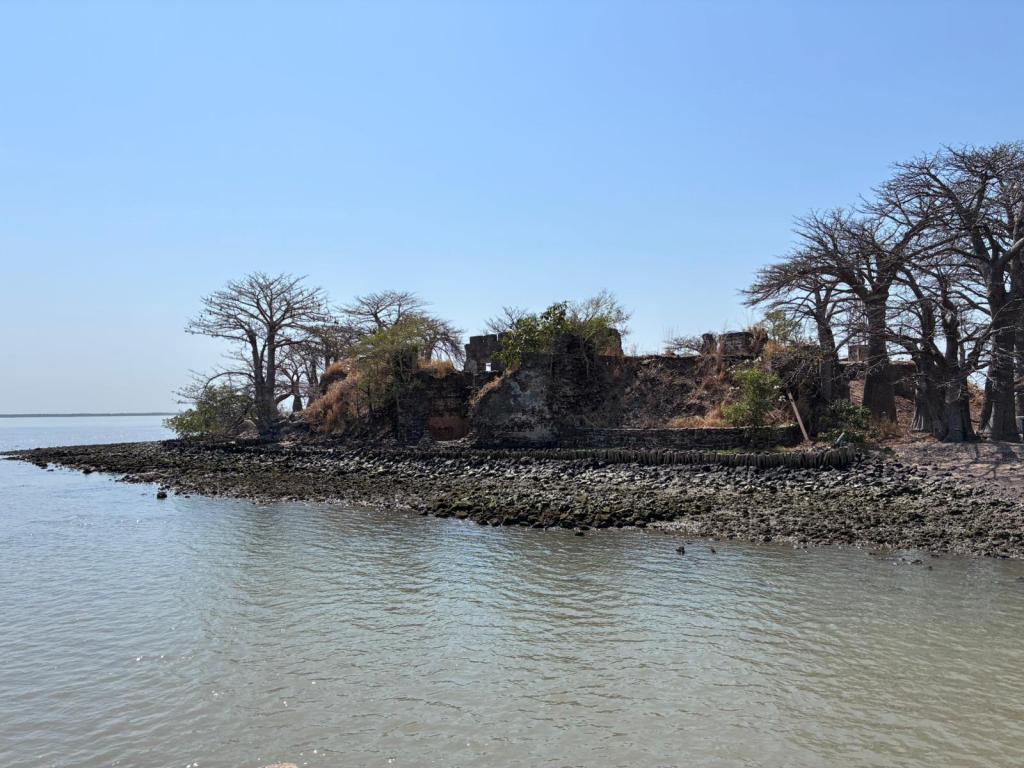
Our favorites from our time were the Roots Tour (Kunta Kinteh Island), sounds of the ocean at night and a day on the river.
Dakar Senegal:
I have friends that love Senegal and Dakar – but I don’t get it. It was a huge, busy, dirty city. And while not extreme, it is the only time on the trip that I didn’t feel safe.
However, Dakar is by far the easiest of the three countries to fly into from other countries in Africa, the United States, Middle East and Europe. The airport was easy to navigate and is about an hour from the city center. Of note, on New Year’s Eve it was closer to three hours.
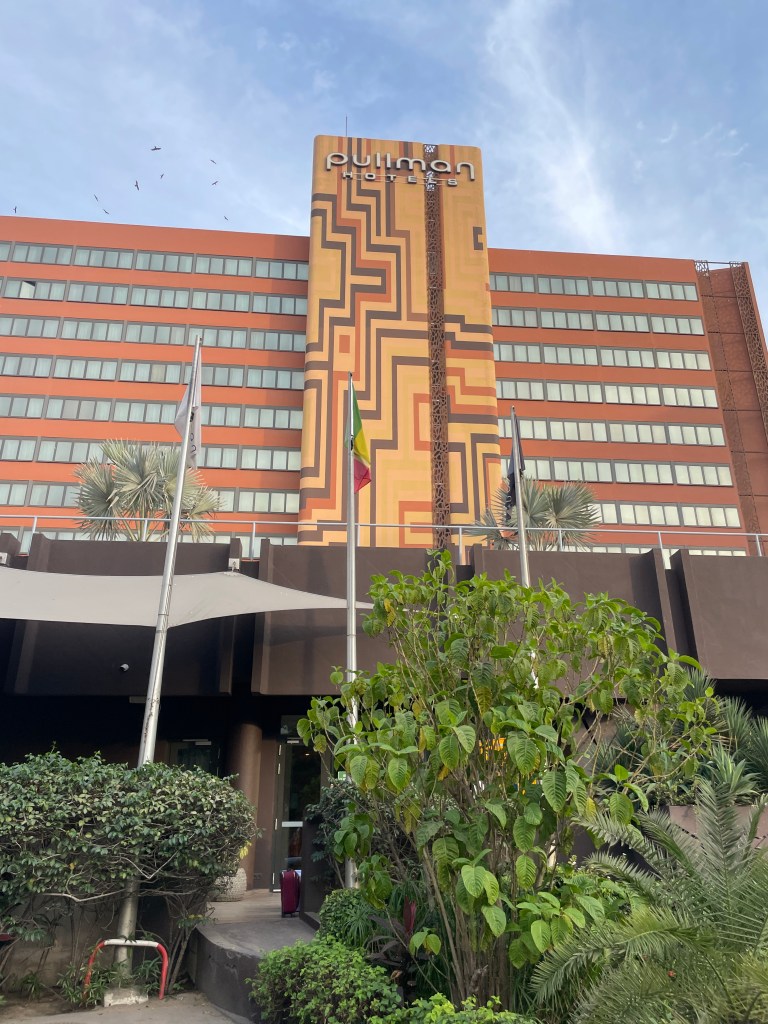
We stayed at the Accor Pullman Hotel. I have mixed feelings. It is a beautiful four-star hotel right downtown and adjacent to the beach. It has two beautiful pools and a lovely restaurant. It appeared very popular with locals and foreigners alike. However, they were very difficult to deal with before the trip and during our stay. I was constantly given conflicting information (as an example, was breakfast included or not) and because I booked more than one room on a single reservation, we were told multiple times that the rooms were not paid for. I was unable to speak to a manager, and the entire stay was very stressful.
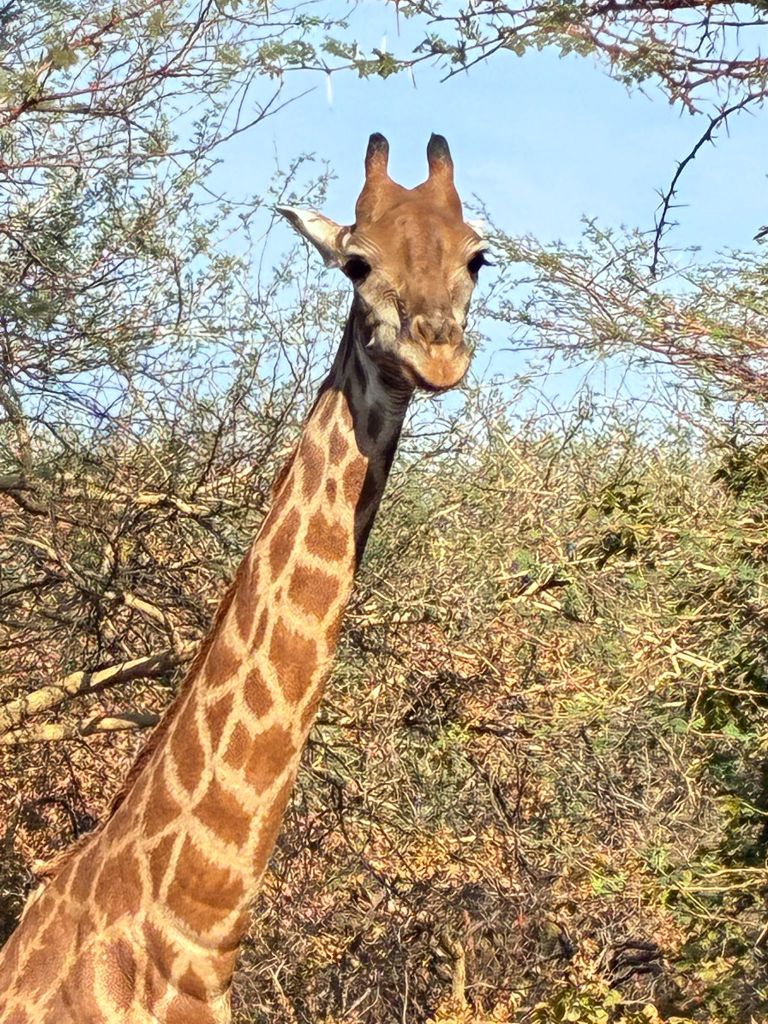
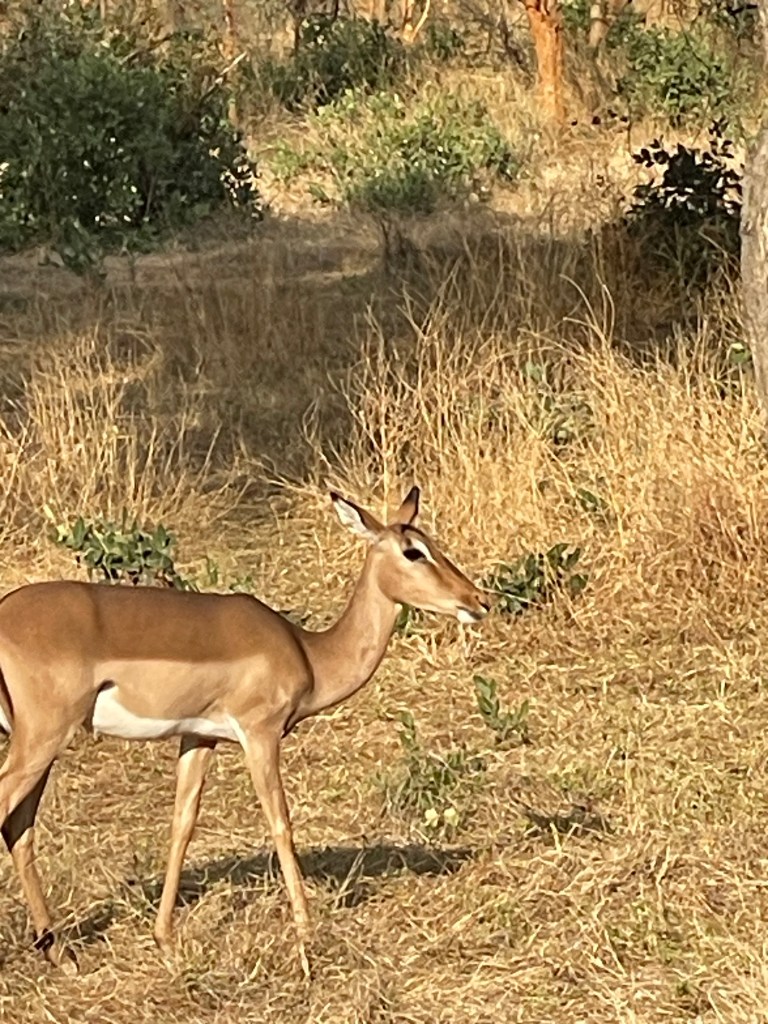
Day 1: One of my traveling companions had never done an Africa safari and for one it had been over two decades. While Senegal is nowhere near the safari destination of East and Southern Africa, there is still an opportunity to see some wildlife. Additionally, because our first day was New Year’s Day, I didn’t want to guess what was open. Therefore, I scheduled a day trip to Bandia Park. While in the park we saw Giraffes, Zebras, Turtles, Hyenas, Elands, Impala, Crocodiles, Buffalo, Rhinos, Monkeys, Ostrich, Antelope and lots of birds. There is also a nearby Lion sanctuary but we passed because I couldn’t determine how ethical it was. We spent the rest of the afternoon lounging and napping at the pool.
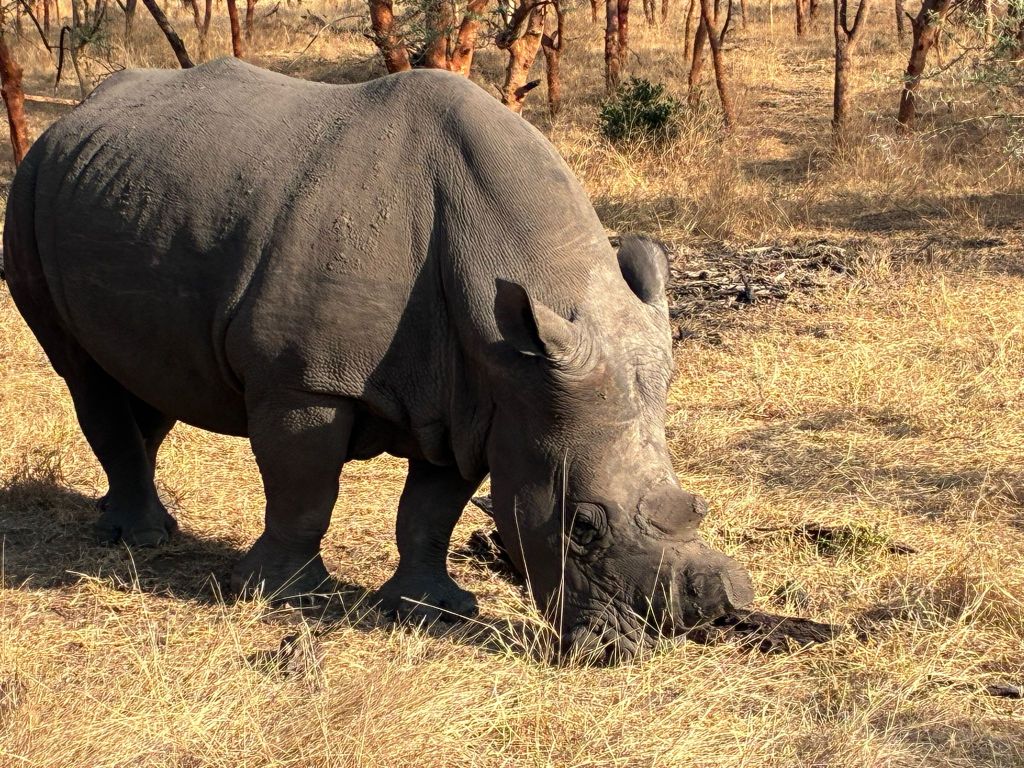
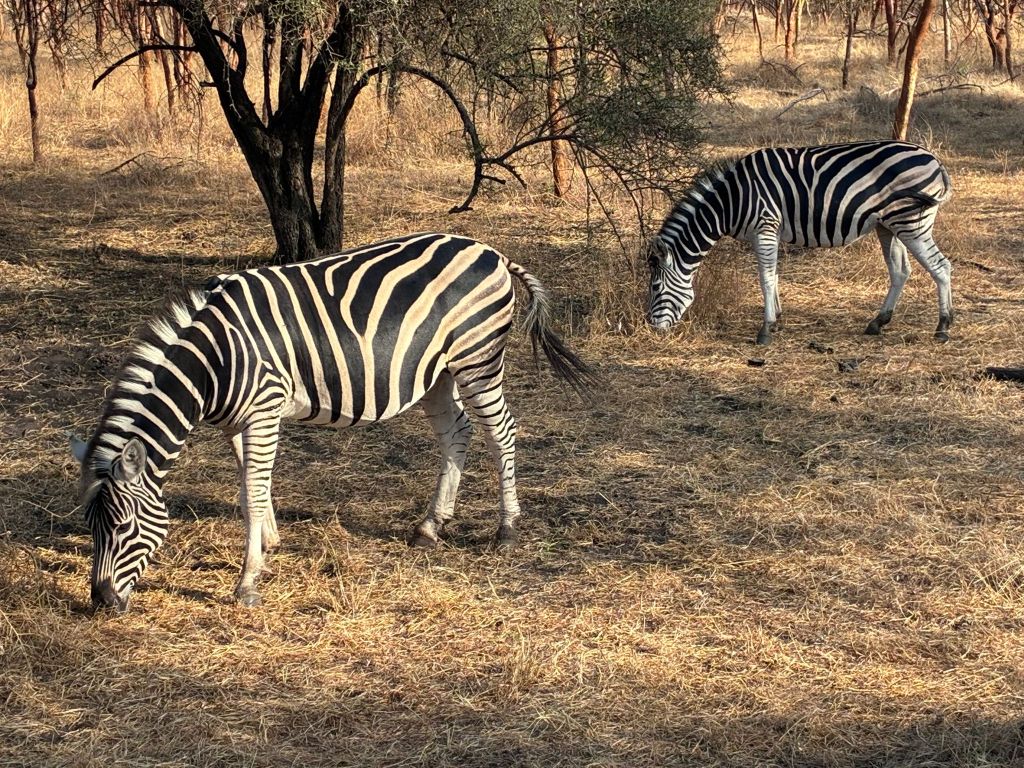
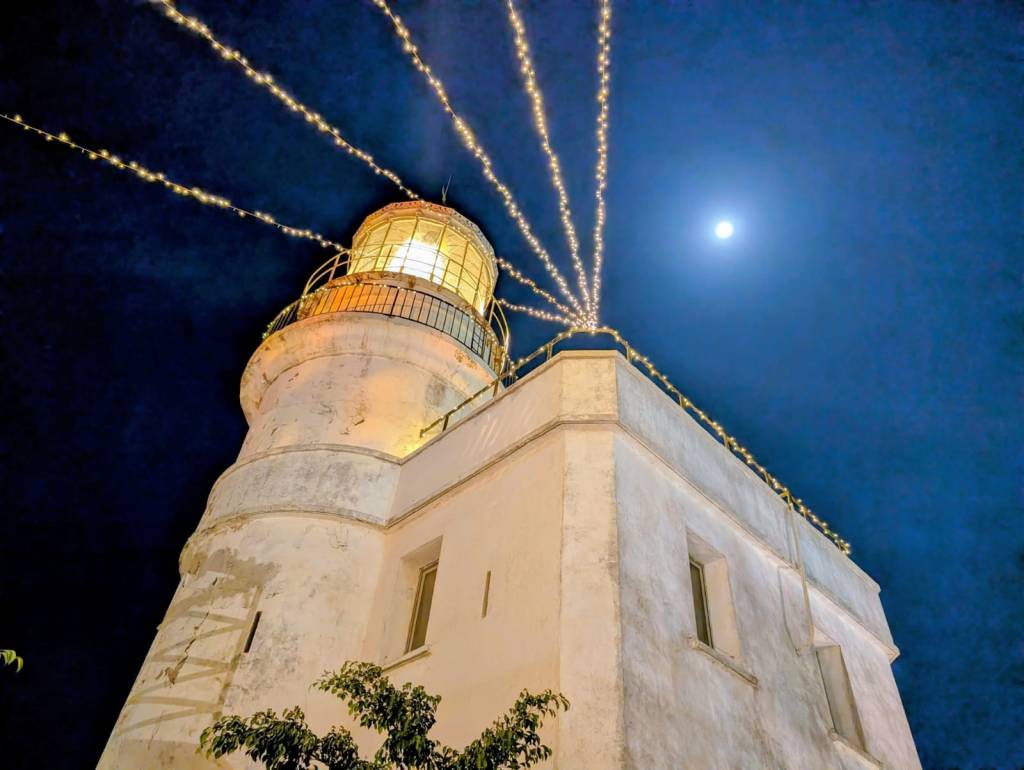
Dinner that night was at La Point des Almadies which I highly recommend. They have an amazing view, the western most lighthouse in Africa and a fantastic menu. If you arrive after 4:30 pm there is a small entrance fee.
Day 2: The focus of our stop in Dakar was to see Goree Island. Goree Island was a major slave-trading center from the 15th-19th century and today is preserved as a World Heritage site. I debated doing it on my own or with a tour. I’d read that most of the signage was in French and that it was hard to get much more than an overview without a tour. There was more signage than expected in English and frankly I would have preferred an audio tour to the one I booked. The ferry terminal is chaos and the first departure is at 10 am but tickets go fast and the line to purchase is slow. The structures on Goree Island have been well preserved and/or restored and it gives a good understanding of the community and social structure that existed on the island. Goree Island retains a small permanent population and if we’d had time it would have been nice to spend the night and see it after the hordes of tourists left.
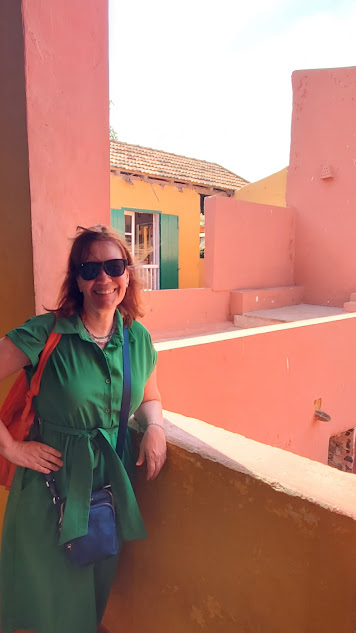
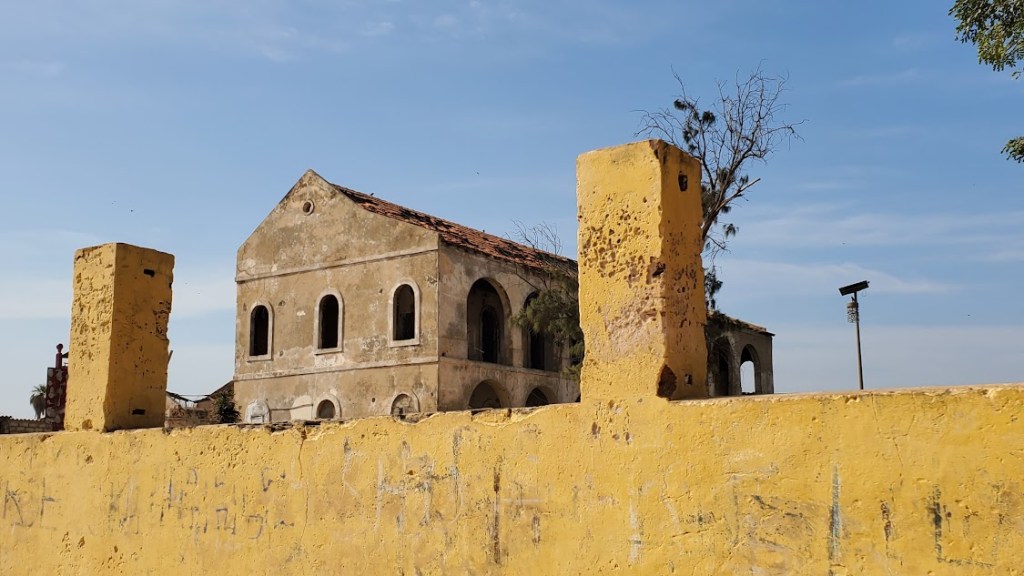
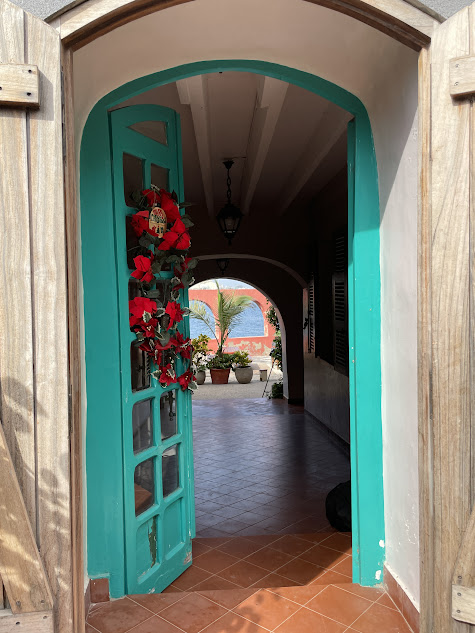
We all enjoyed the day at Kunta Kinteh in The Gambia better but appreciated the preservation of Goree Island. I am glad we did both.

I recommend downloading the Yango app for transportation in and around Dakar.
In Dakar I would have liked to visit the Museum of Black Civilizations. It would have also been fun to visit Ngor Island and to go snorkeling or diving. I didn’t have time to visit the UNESCO site St. Louis on this trip and would like to do that in the future.
Casamance:
Because Asky Airlines significantly changed our flight we needed alternate transportation to Guinea-Bissau. I was able to work with Phil from Scoot’s Travel (Scoot West Africa – Trips, Tours And Tips For Your Adventure ) to arrange tickets on the Friday 15-hour overnight ferry from Dakar to Ziguinchor.
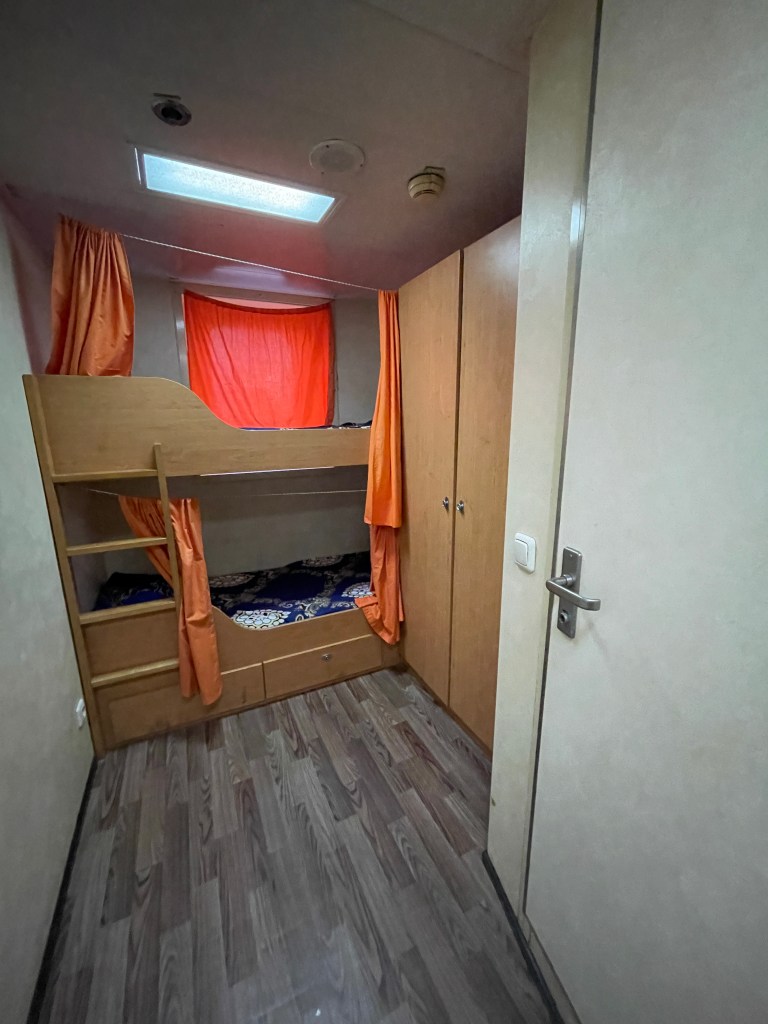
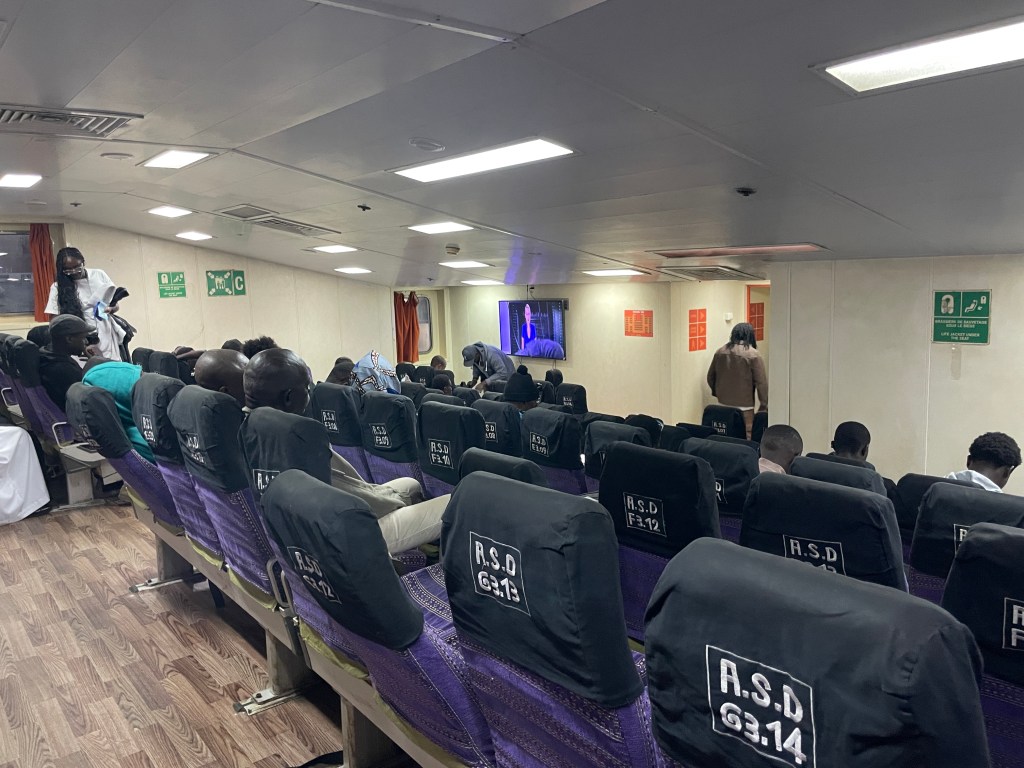
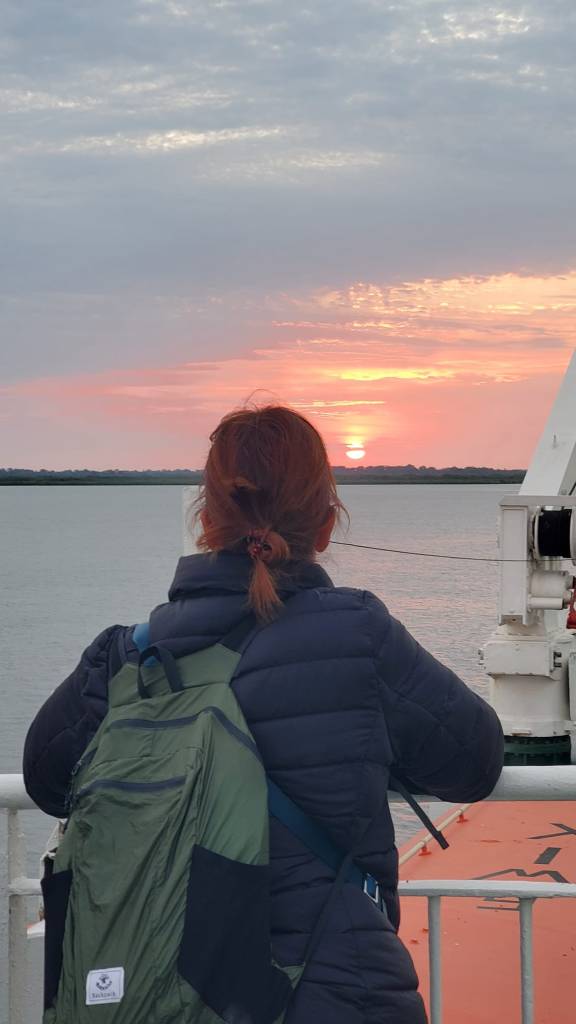
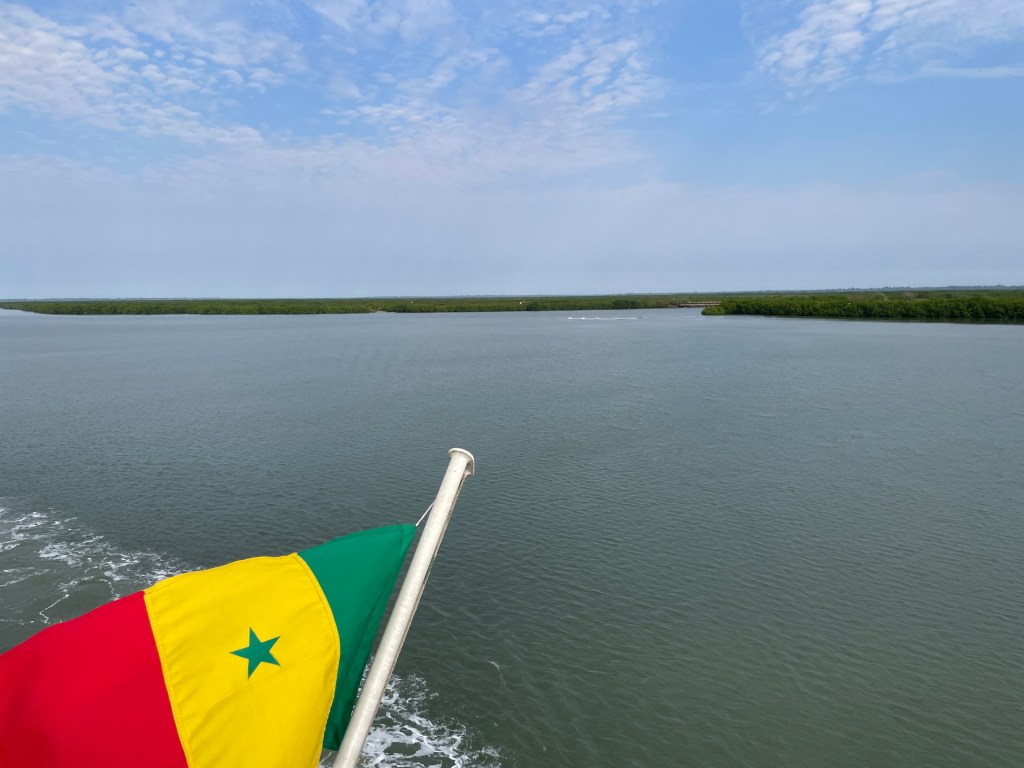
Tickets are bought in person and can be bought in advance or the day of. But cabins sell out fast and what was a great trip in a cabin, could have been pretty awful sitting upright in the main area. Check-in was 3-6 pm with boarding at 6 pm and departure at 8 pm. If you have your tickets, I’d recommend arriving between 5 and 6 pm. The departure terminal is at the same location as the Goree Island ferry, you just enter through a different door where you will encounter several long, duplicative and inefficient lines. If you have a cabin, you can take your luggage with you. Cabins have anywhere from 2 to 8 beds and include a bathroom. If you want a room key, you would give the onboard ferry service desk staff your passport as a security deposit in exchange. There was a restaurant where you could purchase dinner and the cabins included a simple breakfast with the ticket. Linens are provided but I was glad I had a sleepsack. I thought the ferry was comfortable and much more interesting than flying. It gave us additional interactions with both local and foreign travelers, the sunrise was beautiful and I saw a dolphin.
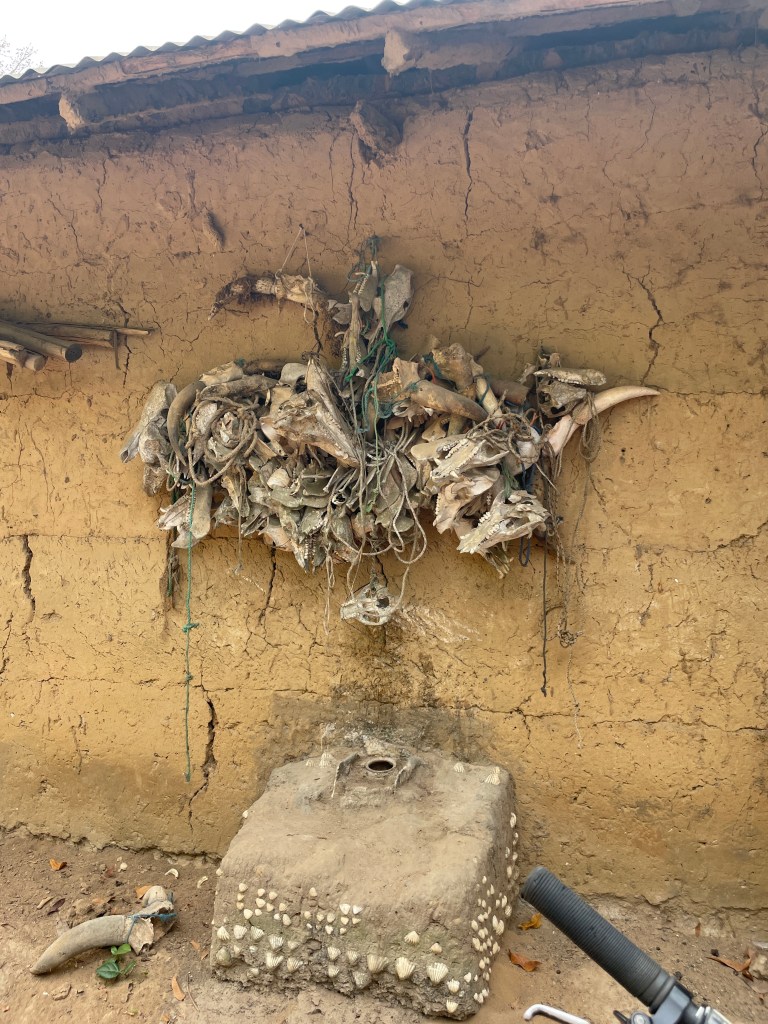
We now had a day to fill in Ziguinchor and Scoot’s Travel booked us a bike trip and lunch in Oussouye Casamance. Lunch was outstanding and the 12km bike ride took us to a small cashew farm, to see several fetishes (small temple/memorial), to see sacred tamtam drums and with the bonus surprise to attend an unplanned funeral. Here is what I wrote in my journal, “it was one of the most spectacular cultural experiences ever!” The villagers were so welcoming and it was truly amazing to watch this rite of passage.
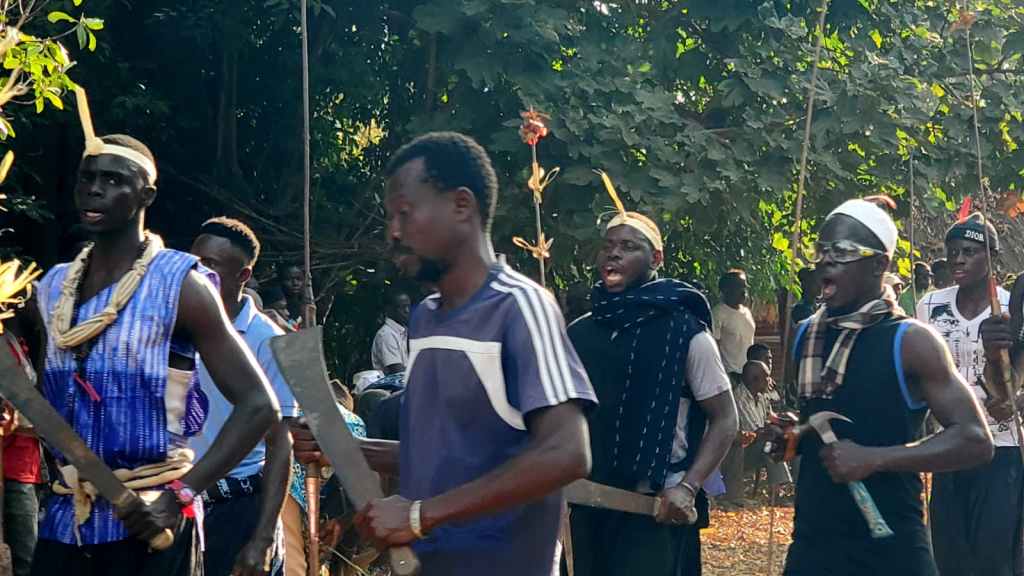
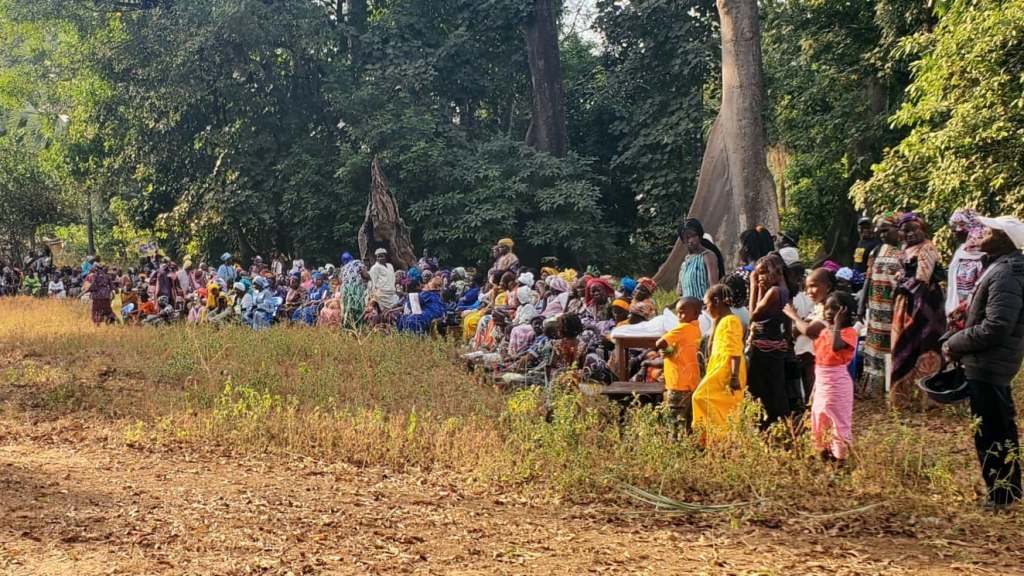
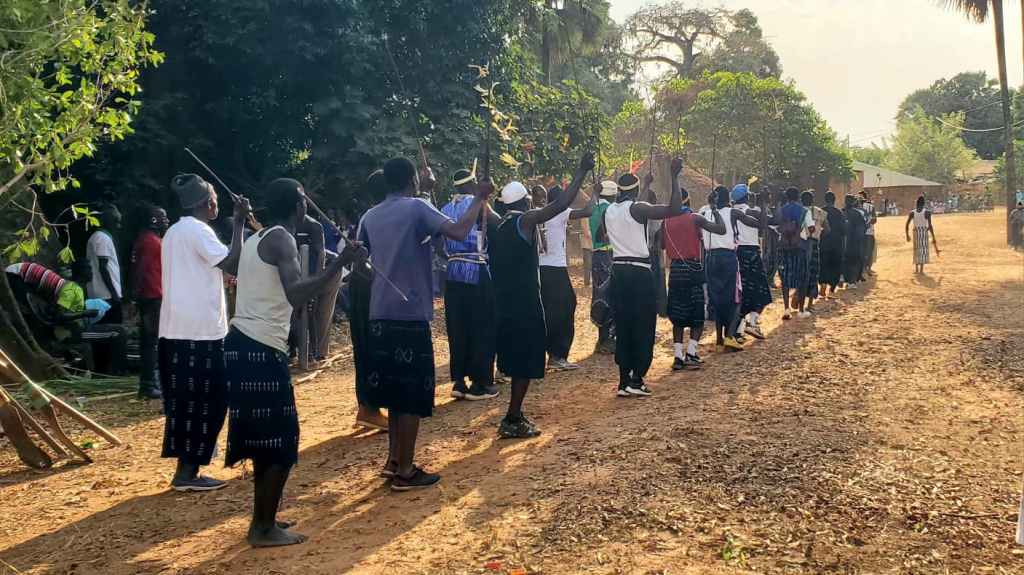
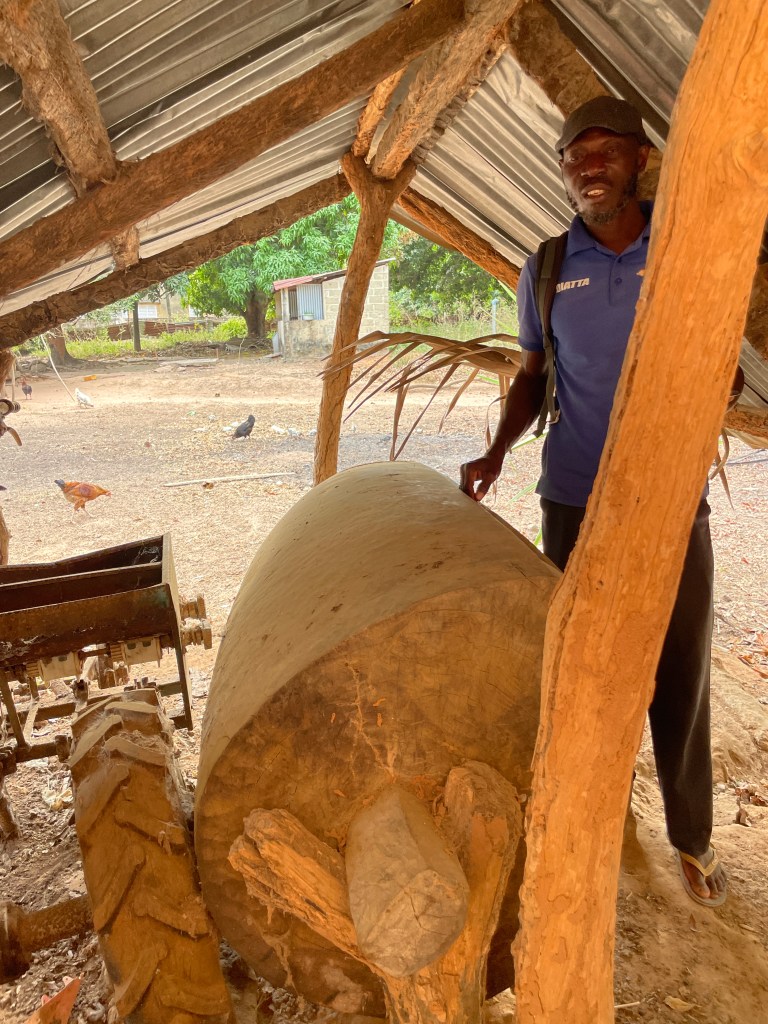
Until a man is dead, he is not yet done being created. – Fula Proverb
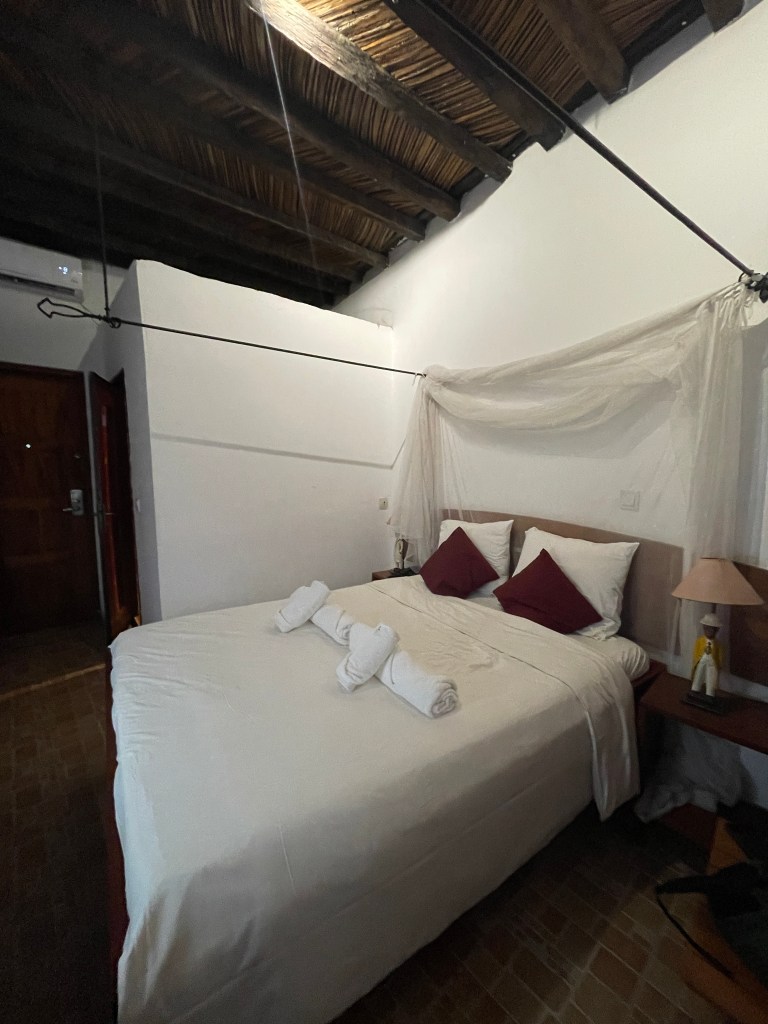
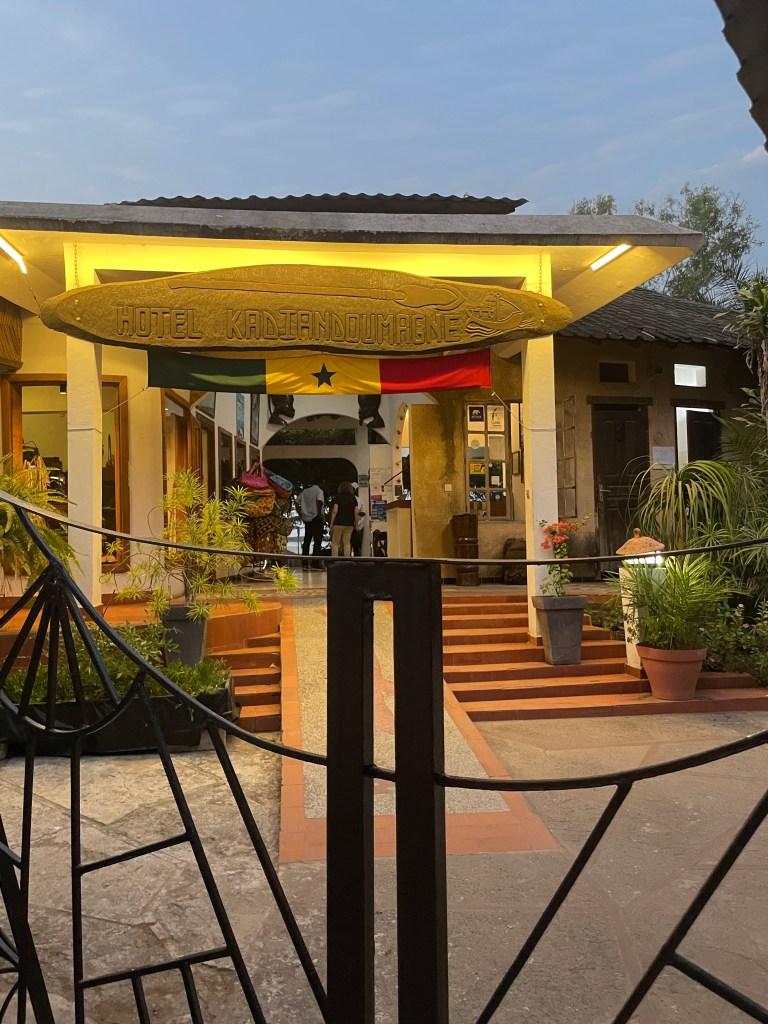
Back in Ziguinchor we stayed at the Hotel Kadiandoumrgne which was a great value, lovely, and on the water with a great restaurant. Not only would I stay here again, it has a good chance of being one of my favorites for the year.
Guinea-Bissau:
Scoot’s Travel helped us arrange our visas at the consulate in Ziguinchor and transportation to Bissau. You can also get these on arrival at the airport. This is a rough 5-hour drive over unpaid roads. The border was uneventful, but a copy of your passport is required and our bags were searched.
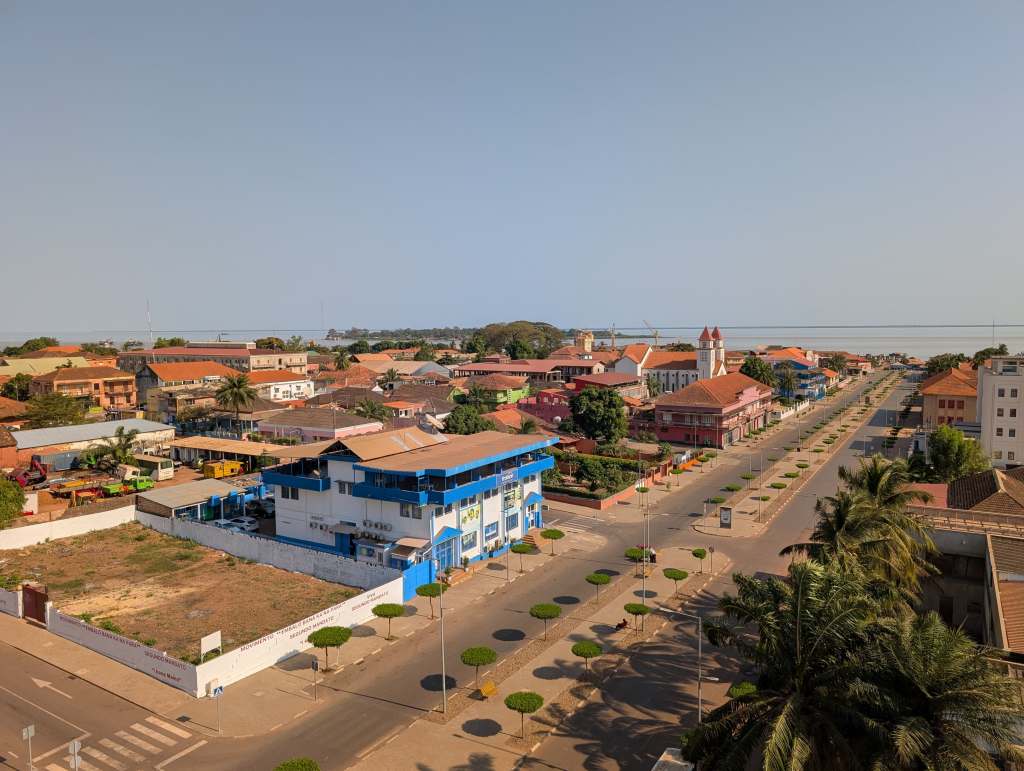
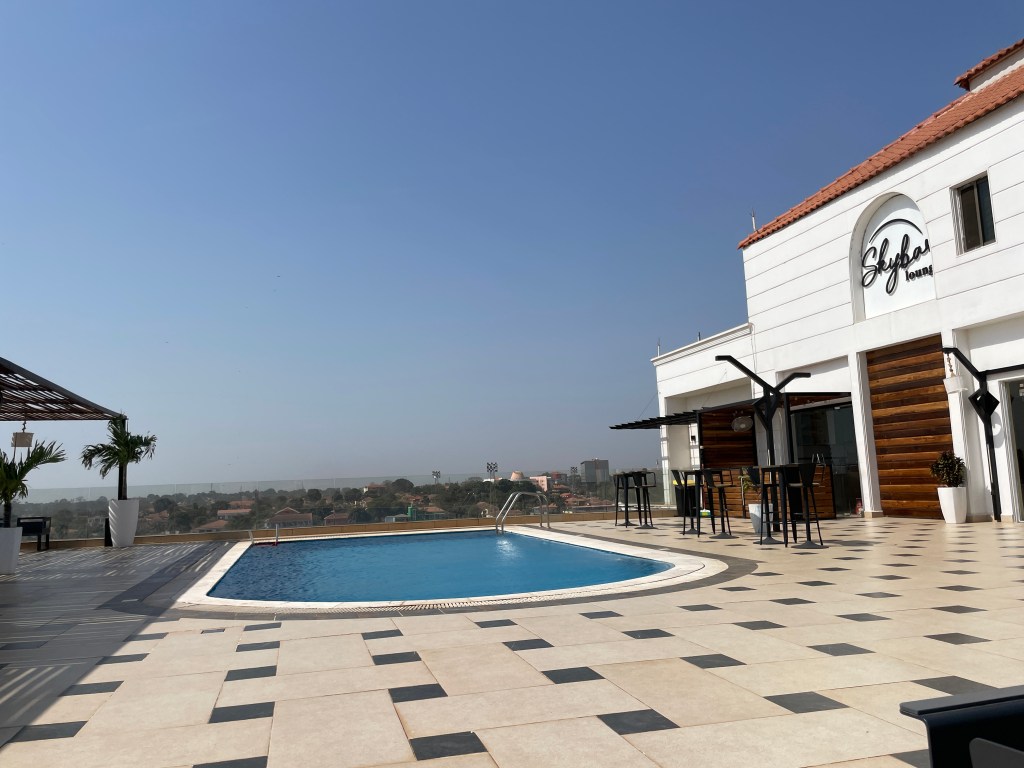
I didn’t know what to expect in Guinea-Bissau and Bissau. They had a coup less than a month before my trip and I kept my travel plans despite advice from the US State Department. Bissau is a small capital that is deserted during the day and the streets are filled with people at night. We stayed at the Royal Guinea Bissau hotel which is Lebanese owned, comfortable and central with a lovely rooftop and a decent breakfast. You can pay in local CFA, Euro or credit card.
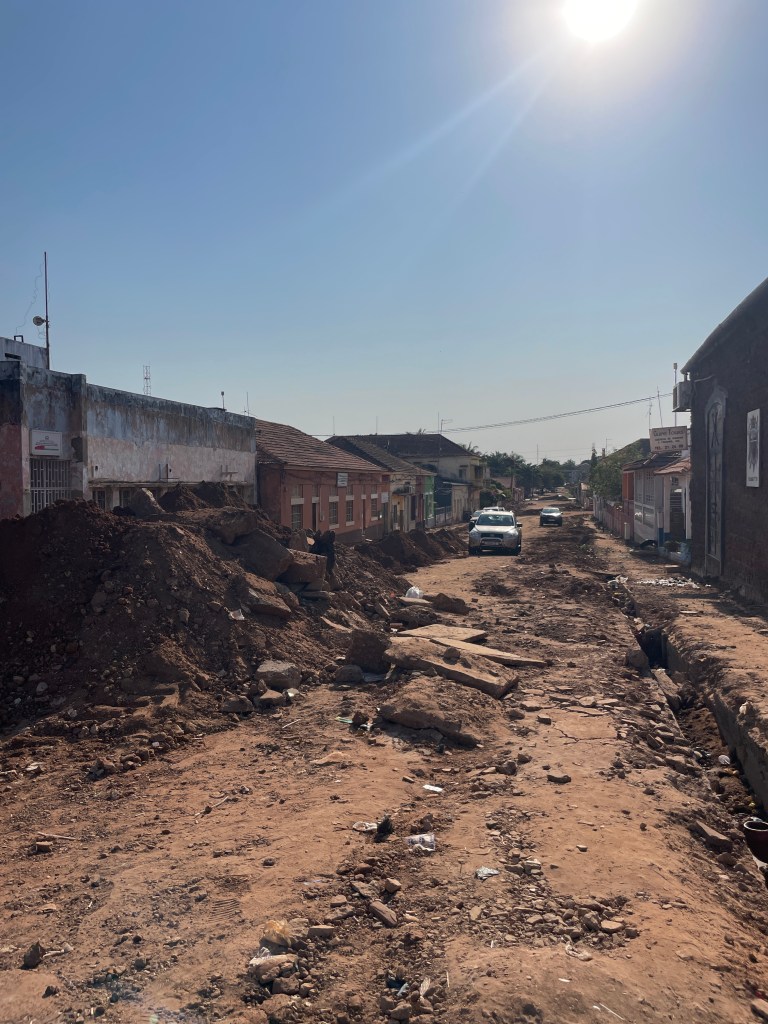
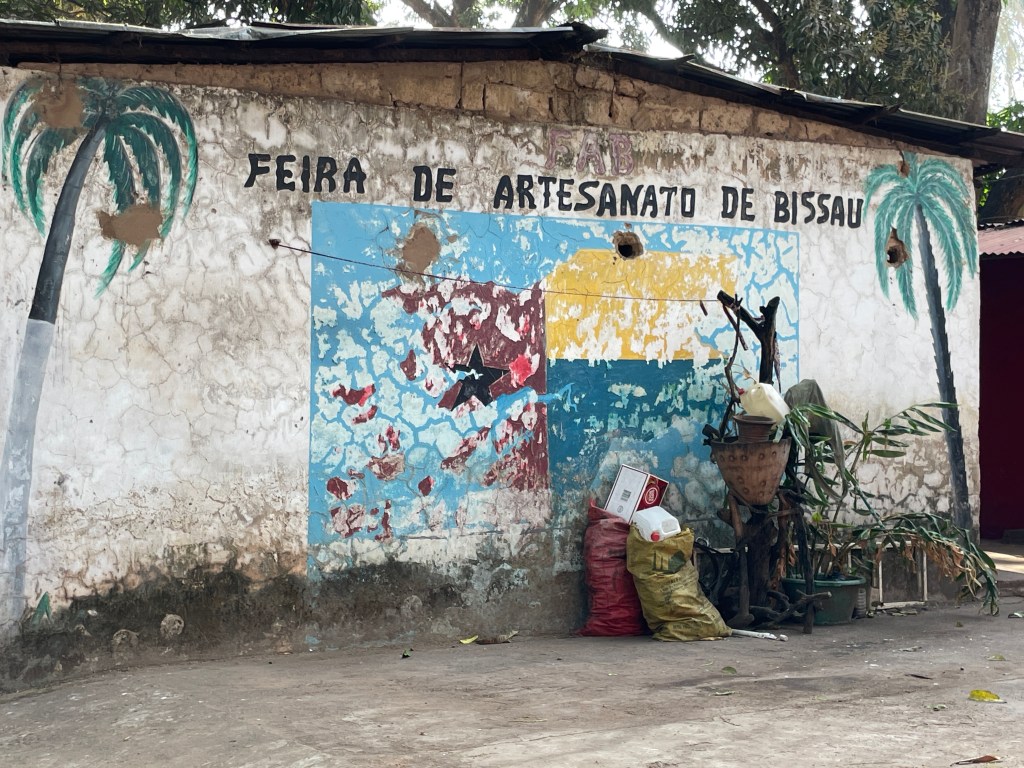
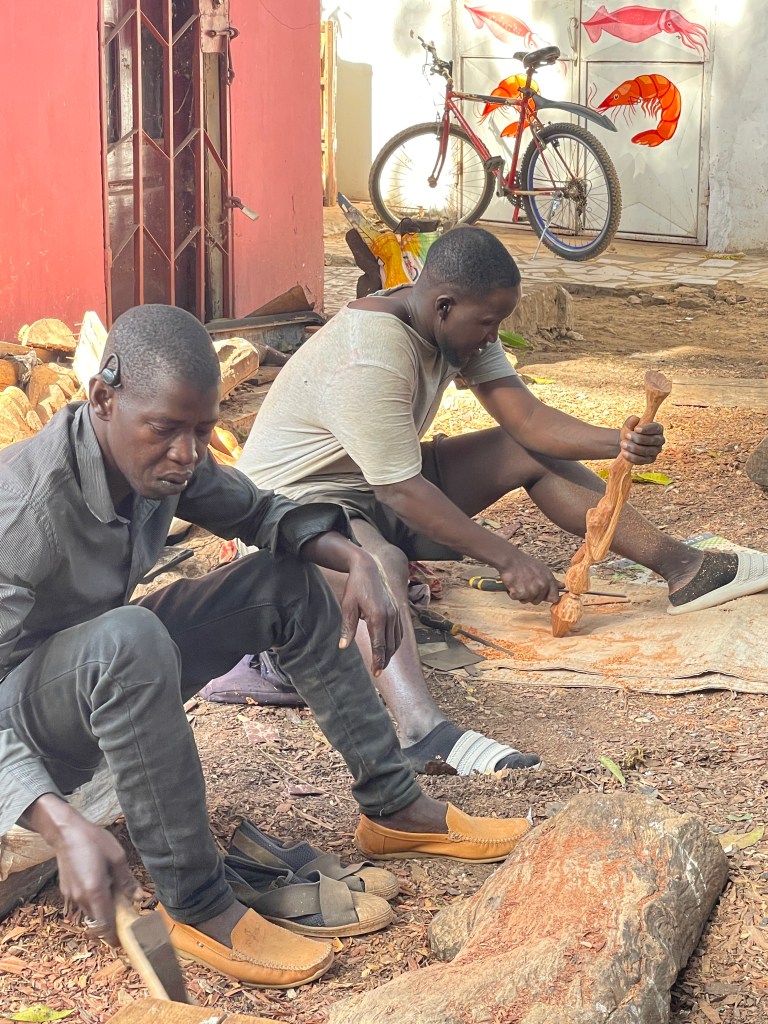
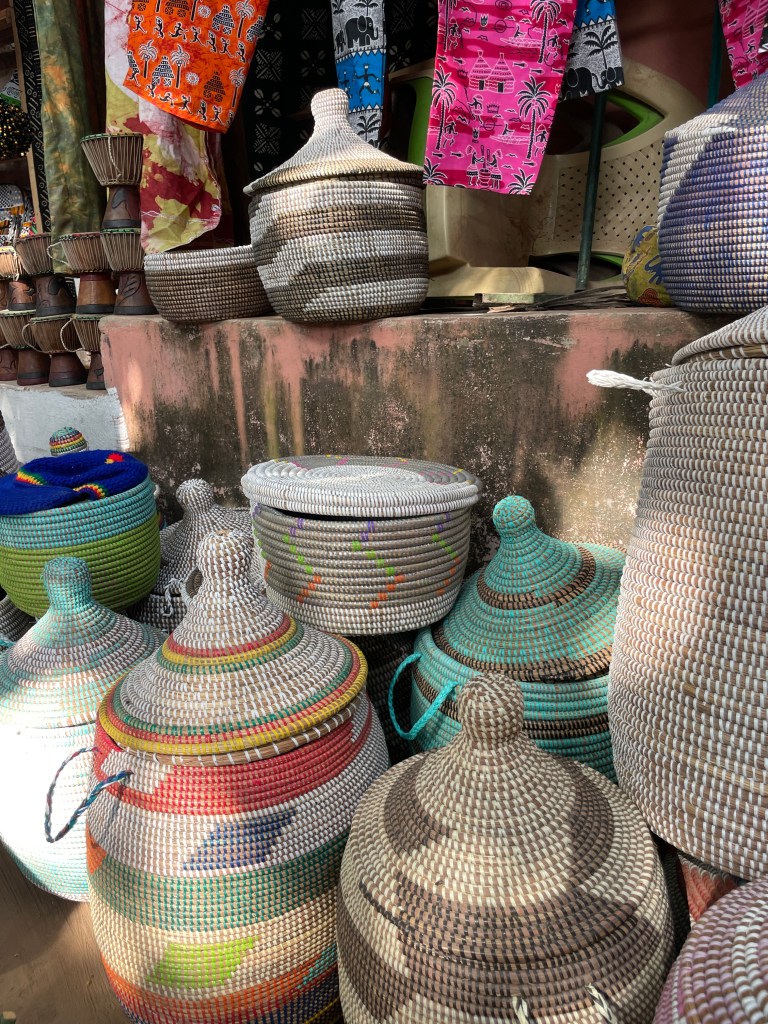
While in Bissau, we at No Kau (pronounced No Cow but means “our place”) twice which I’d highly recommend. The hotel is also conveniently located next door to a gelato café which we also ate at twice. And if you have time and want to do some shopping, the Coquirea Craft Market is an easy walk.
A visit to Orango National Park in Guinea-Bissau was the focal point of the trip. Any earlier inefficiencies or compromises were made so we could be there for the only nights I could make a reservation. December is their high season due to the turtles hatching. While I finalized our reservations in early May the first week in January was the best I could do. They were almost completely booked by that time. There are other options to stay within the archipelago, but it was important to me to stay in the park. Additionally, the extra travel time from another island would have been difficult.
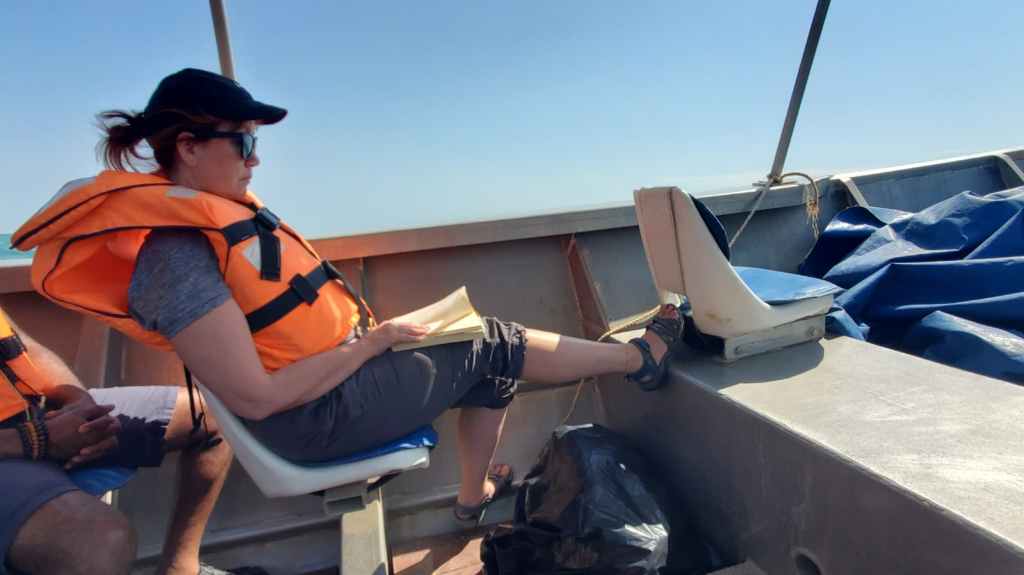
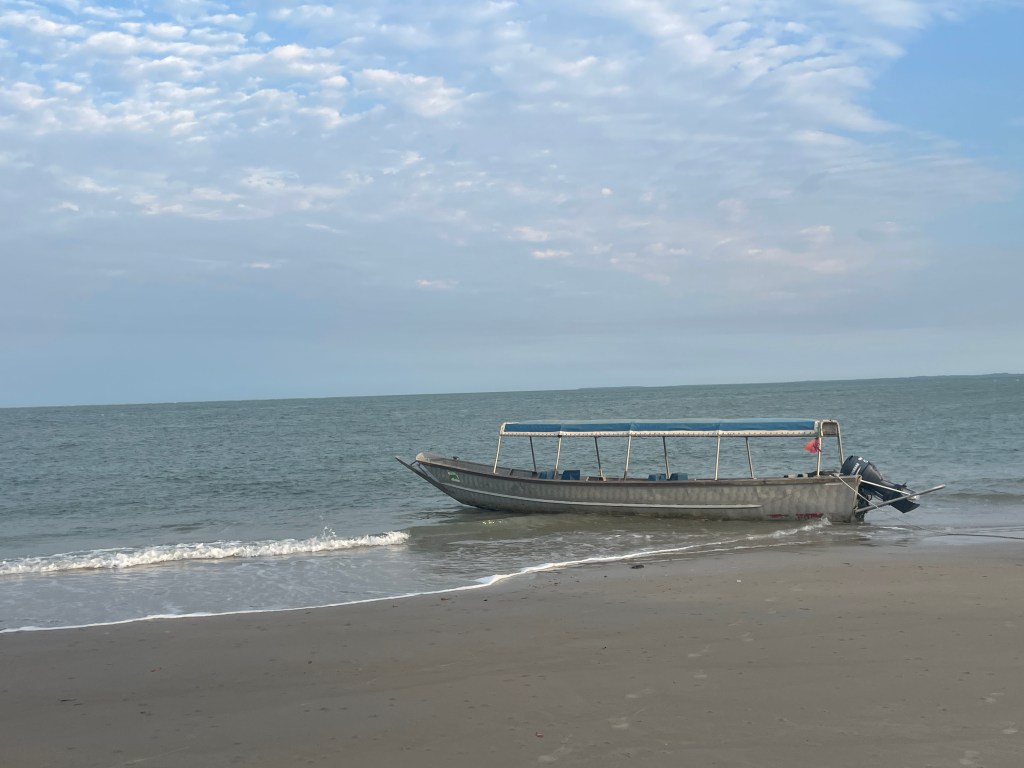
Travel from Bissau to Oragno Parque Hotel includes a 1 hour mid-morning drive to the port at 9 am and then a 3 ½ hour boat ride. We got spoiled during that first boat ride which was smooth and comfortable. The subsequent trips were much rougher.
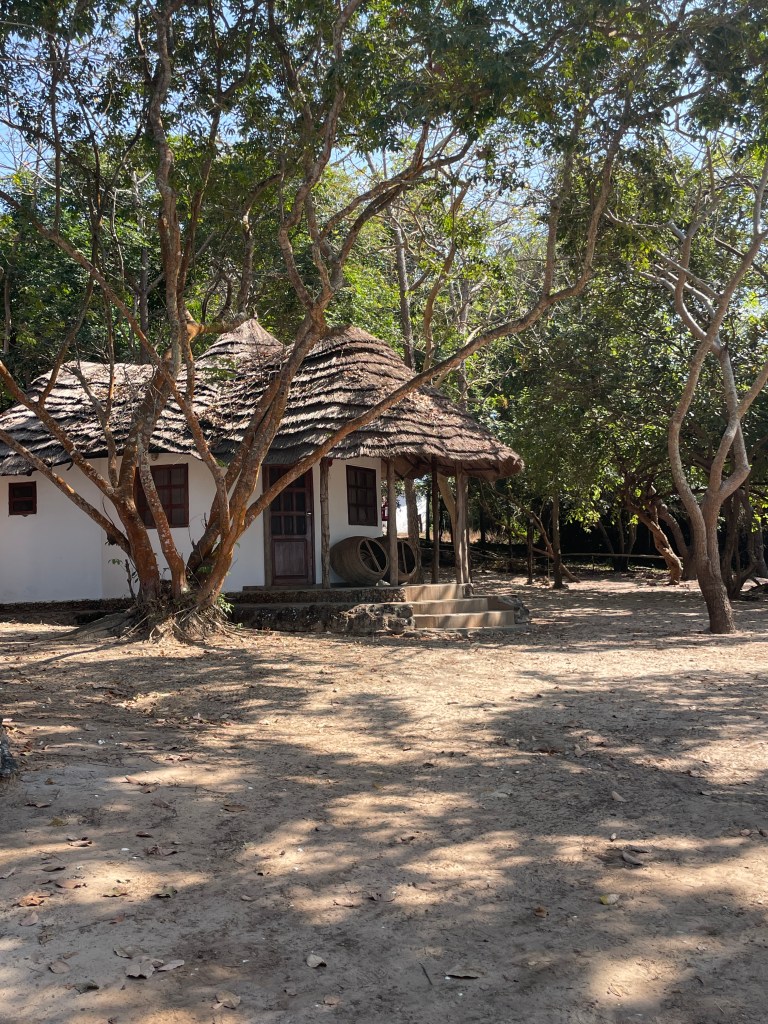
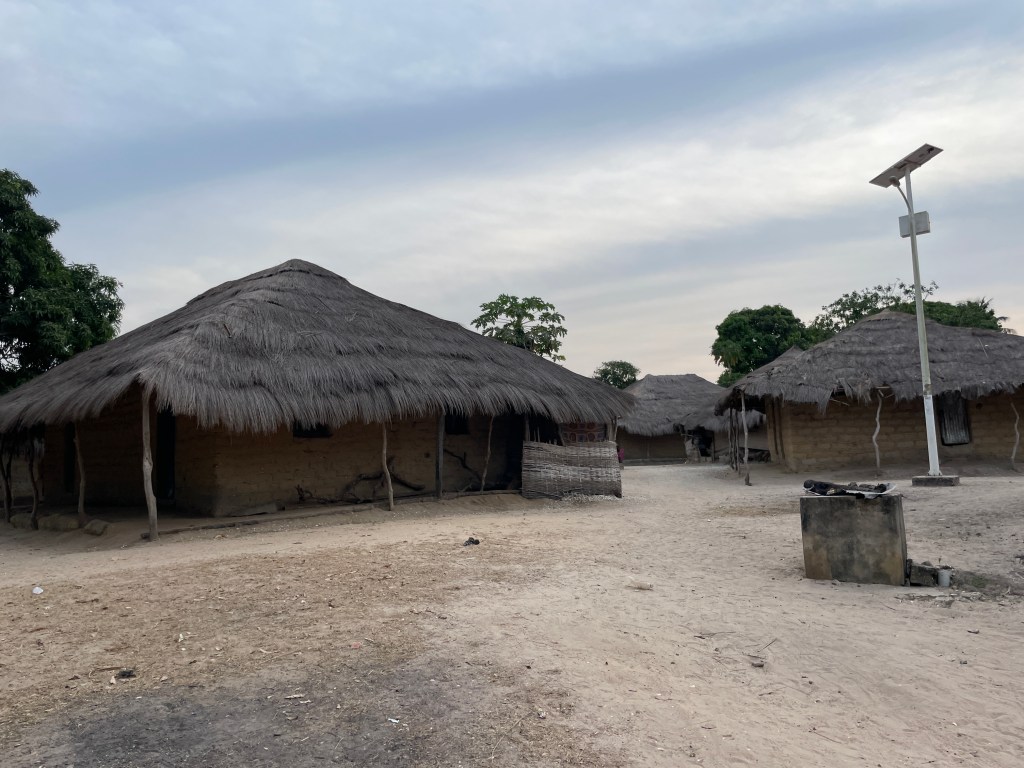
The Parque hotel complex is comprised of 14 huts right on the beach. The huts are comfortable with electricity and fans. Hot water is available upon request. There is no WiFi and about half our group had some connectivity while the other half did not. Meals are included and were tasty and filling.
The hotel partners with the local village and portion of the proceeds are invested in the community. On our first night there we did a 2 hour Bijago community visit to see and understand some of the projects. Humans World | Bijago People
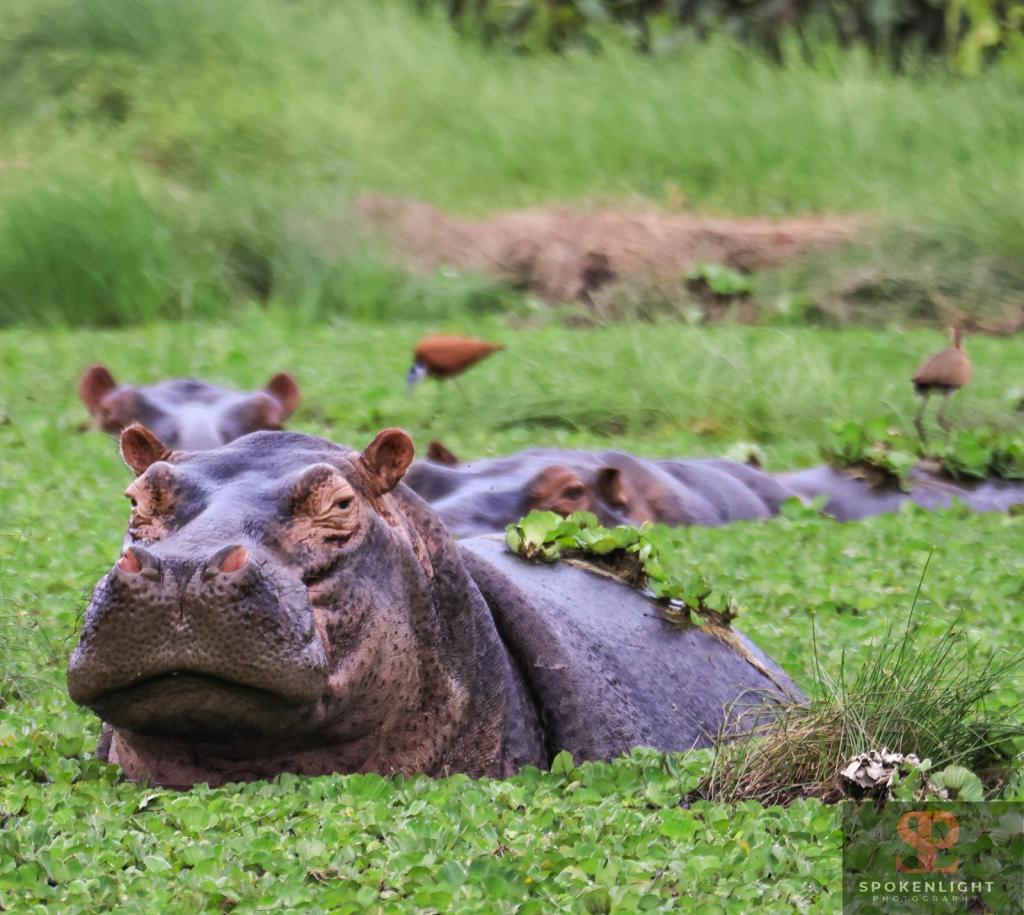
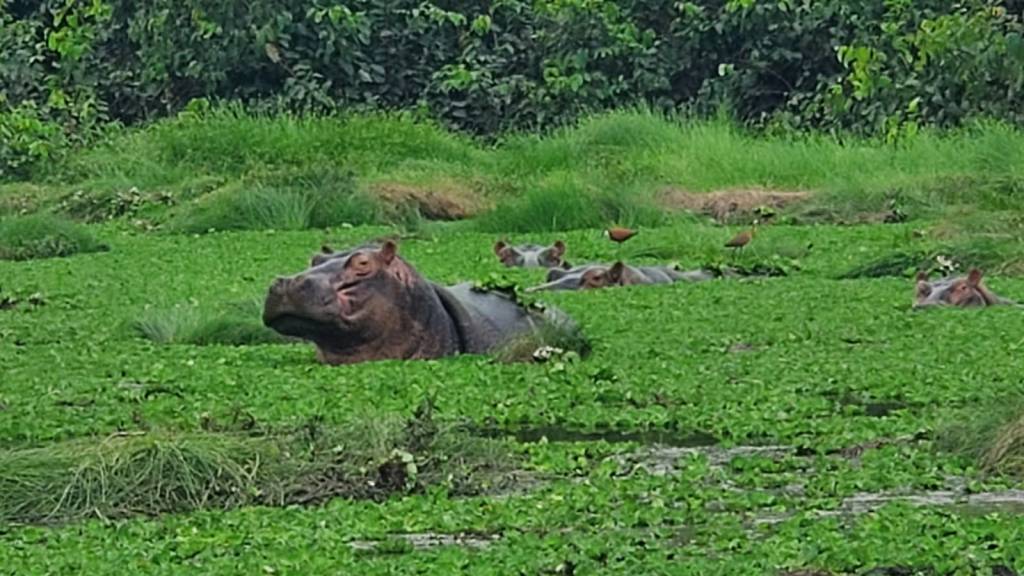
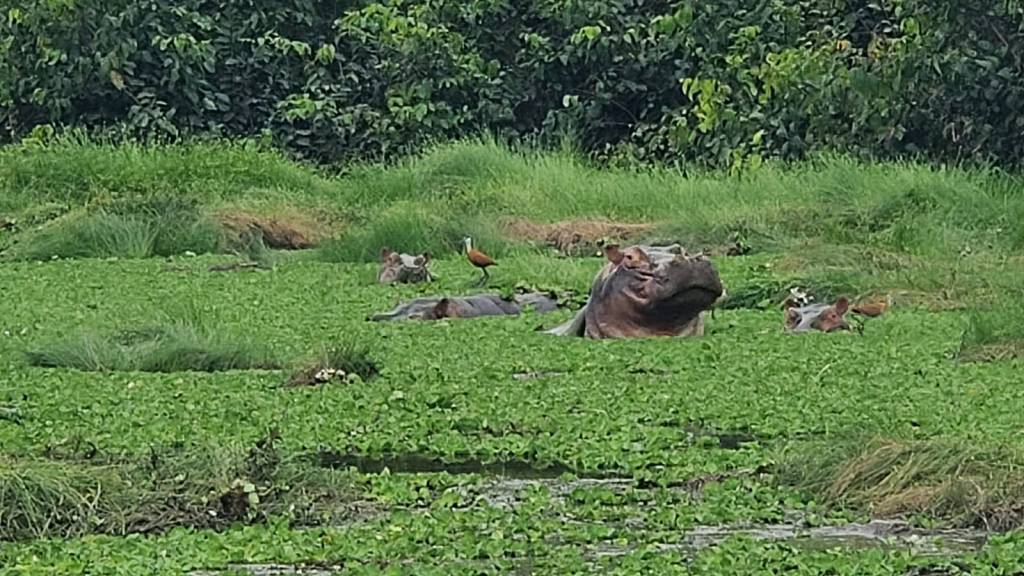
The first day we were up early for breakfast with a 7:30 am departure to see hippos. Long pants, sport sandals and hat are recommended for seeing hippos. One member of group would have preferred sneakers to sandals but I’m not as sure. After a half hour boat ride and a 2 mile walk through sand, savannah and jungle we got to the lagoon and saw 5 hippos just hanging out. While I’ve seen hippos in both Tanzania and South Africa this was unique because we were on foot and the only people there. The rest of the day was hanging out on the beach and playing cards in the community area.
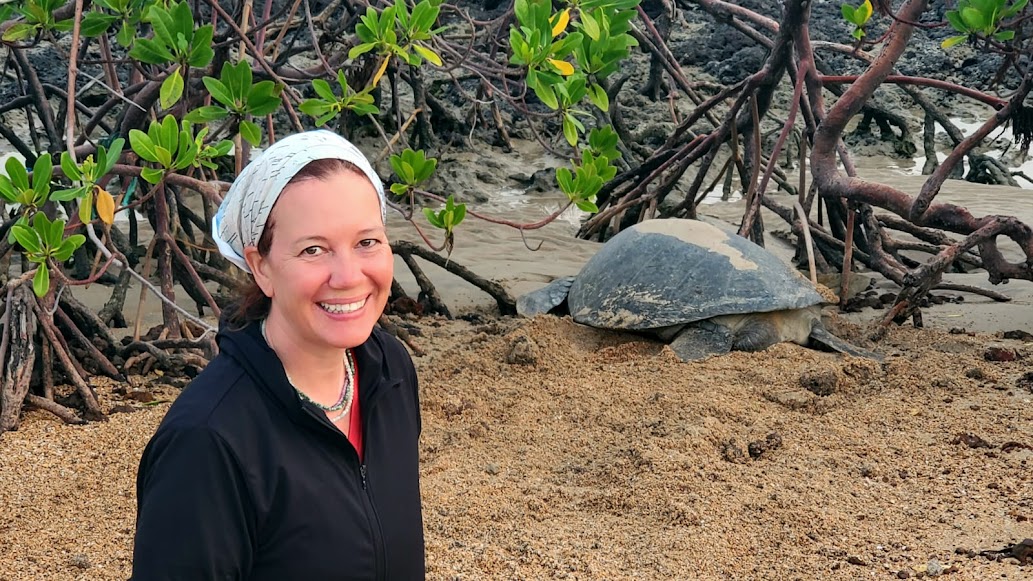
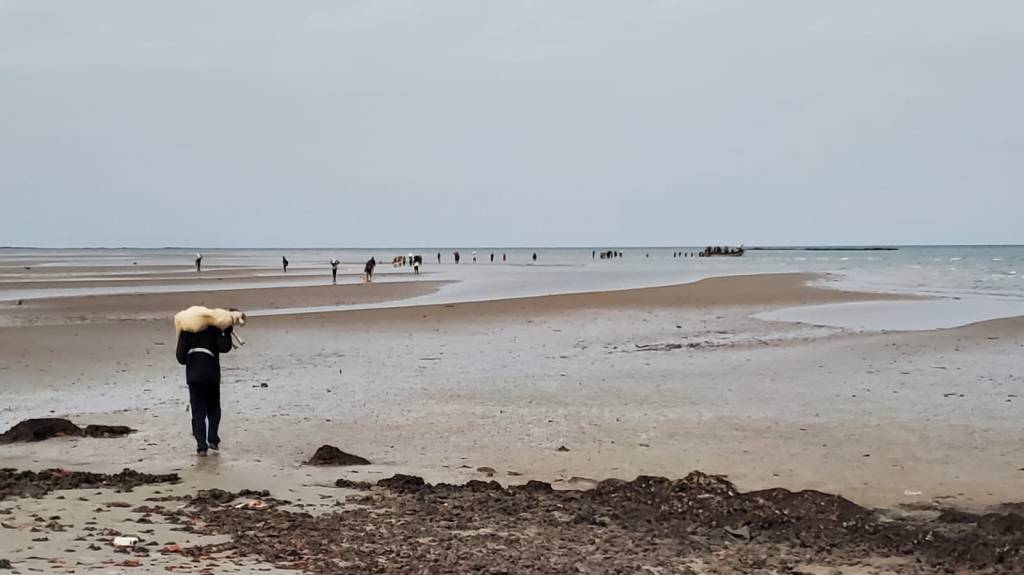
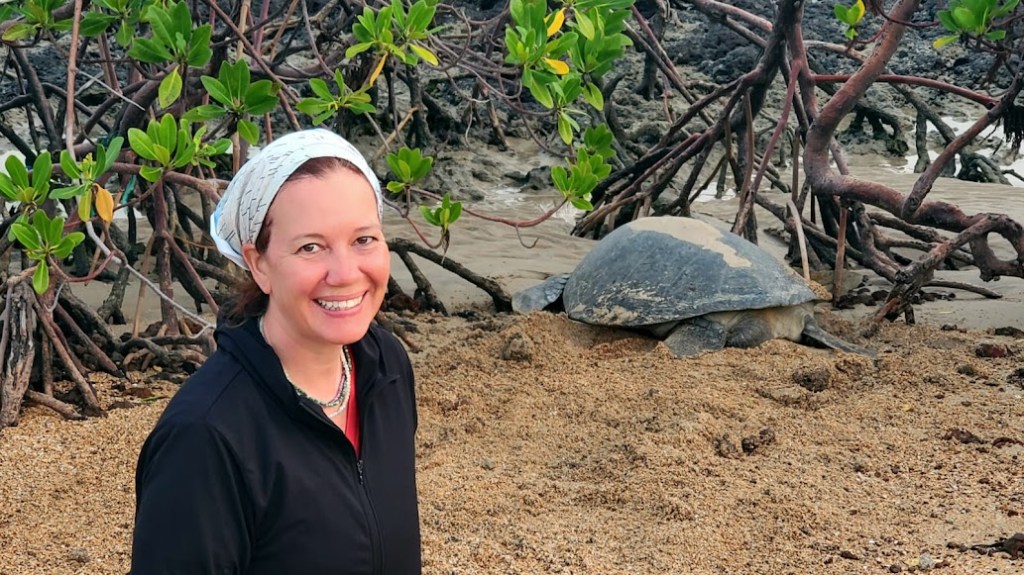
The next day we headed out on a 4-hour cold rough boat ride to see turtles. I had brought a rain jacket on the trip for just this purpose and then neglected to bring it with me on the boat. This may be the only time I’ve simultaneously gotten a sunburn and goosebumps. The logistics were incredible as there were 5 support individuals for the 6 of us. They transported food, chairs, tents, cots and even a make-shift shower to rinse off the salt water and sand. At 11 pm we got up and went combing the beach for turtles. And while we saw a large mama turtle laying her eggs it was the end of the season and unfortunately, we saw no babies.
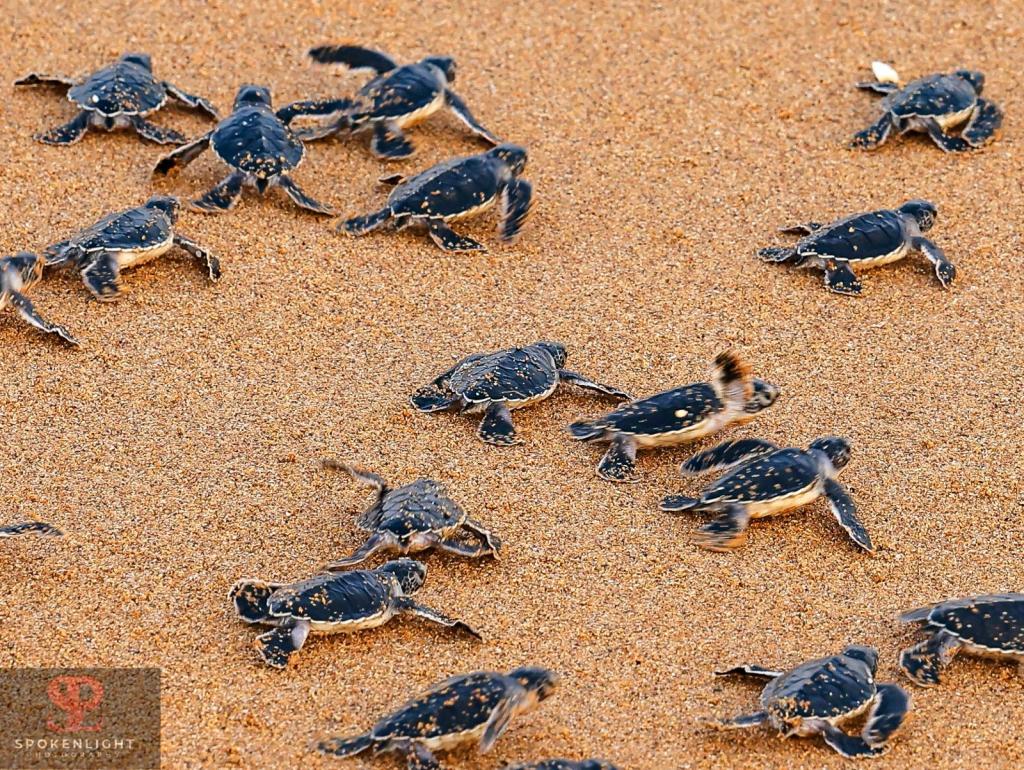
However, after breakfast the next morning, right before we were about to leave, we saw dozens of baby turtles break through the sand and make their way to the ocean. This beach at Poilao is the nesting ground for 5% of the world’s green turtles.
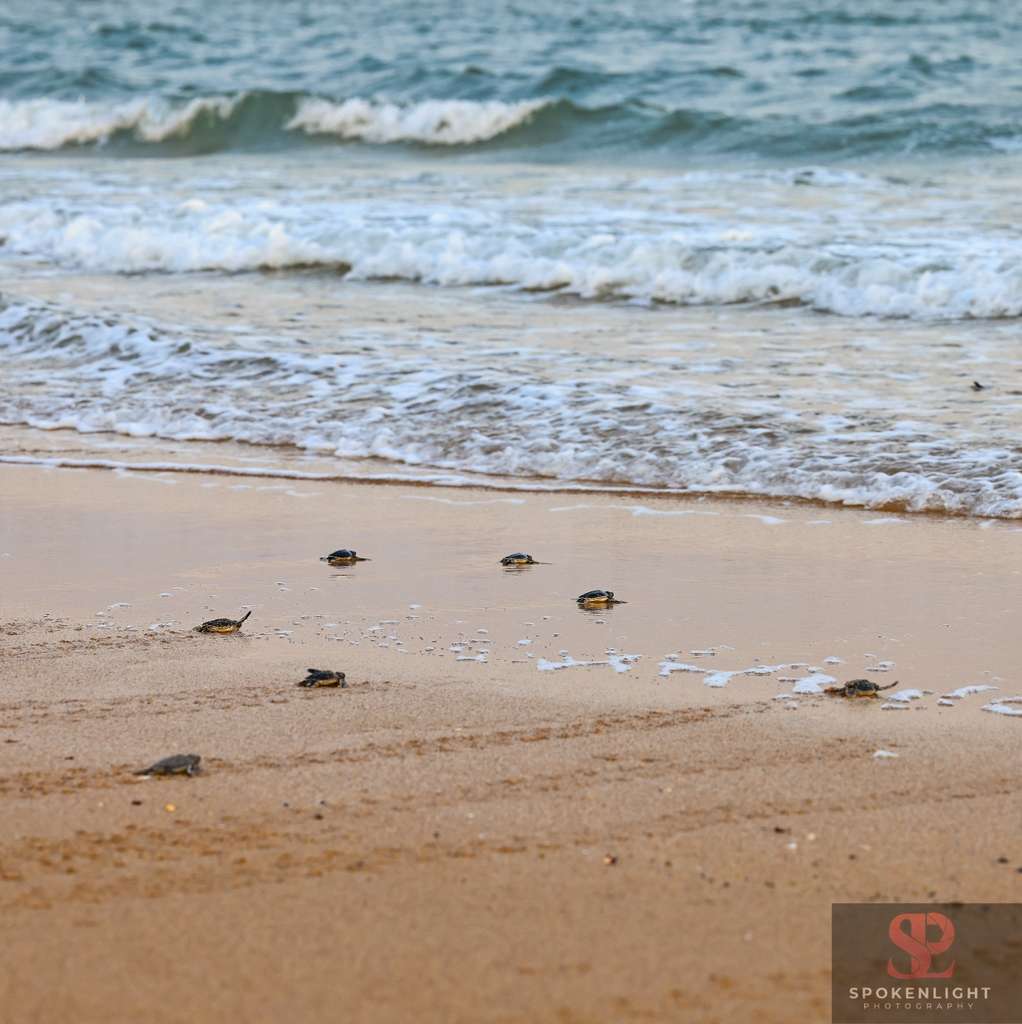
I am a fast traveler that maximizes efficiency and often through the planning processes I was tempted to ask if we could still see both hippos and turtles in a 3-night trip. After our trip and understanding the importance of the tides as well as the logistics involved, I now see how difficult, if not impossible, that would be.
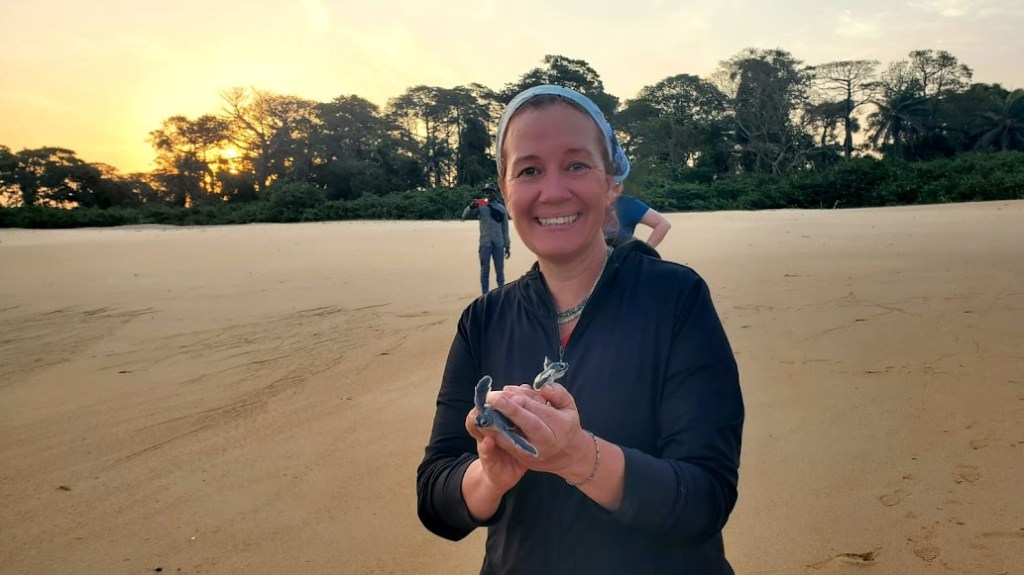
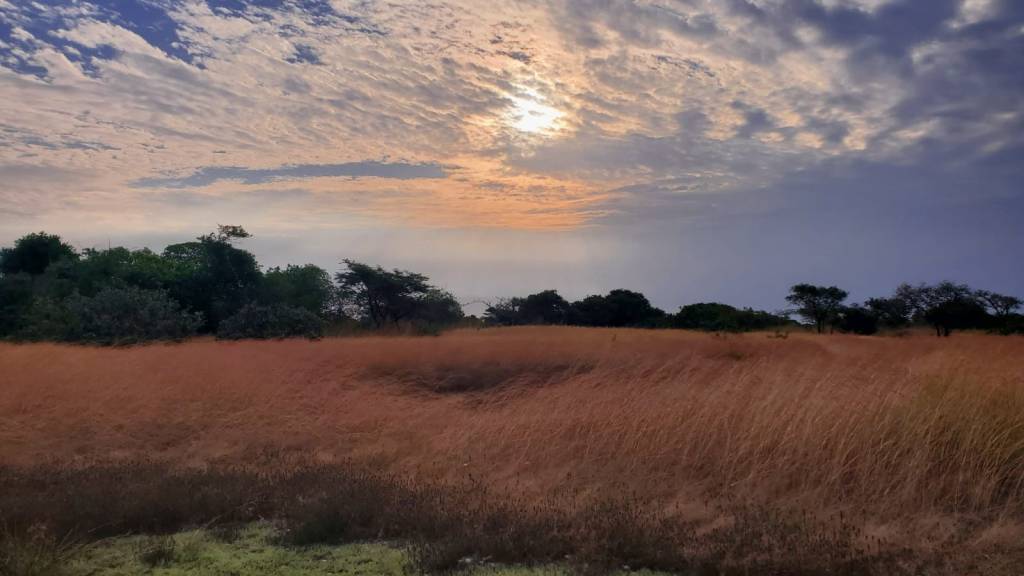
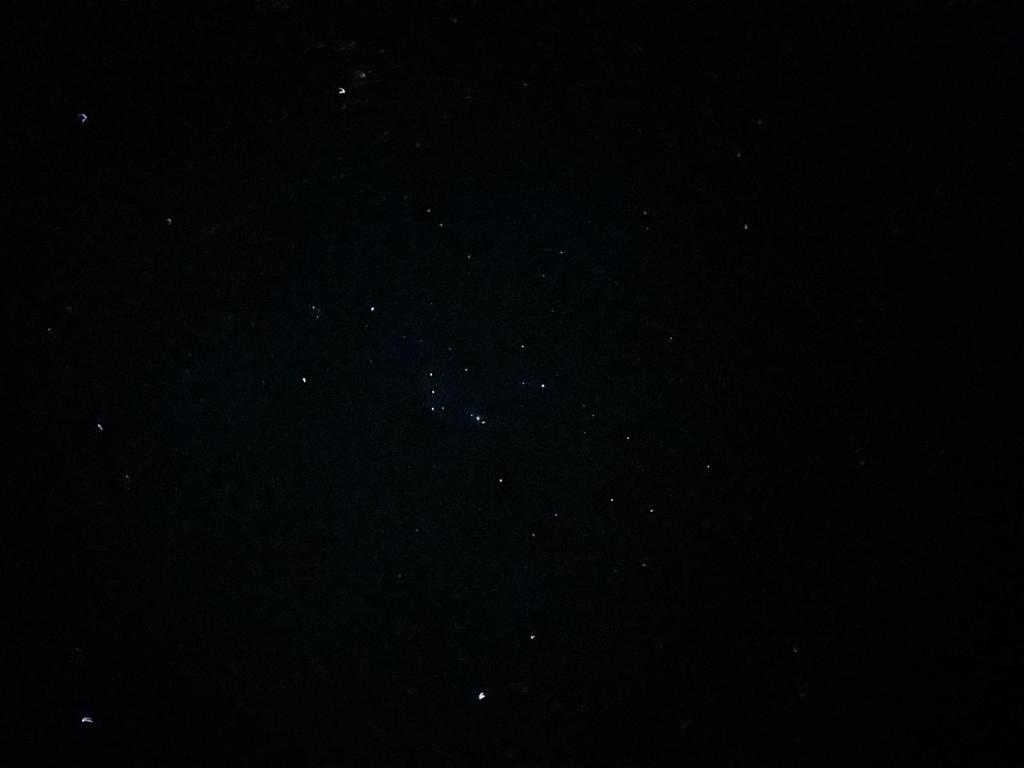
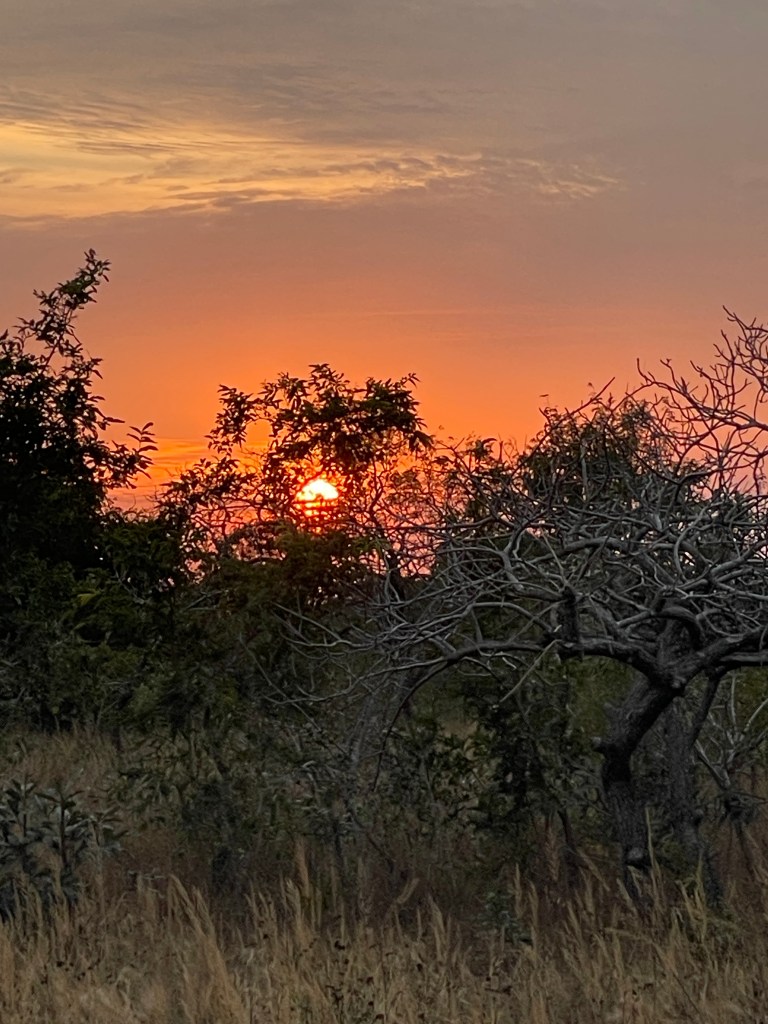
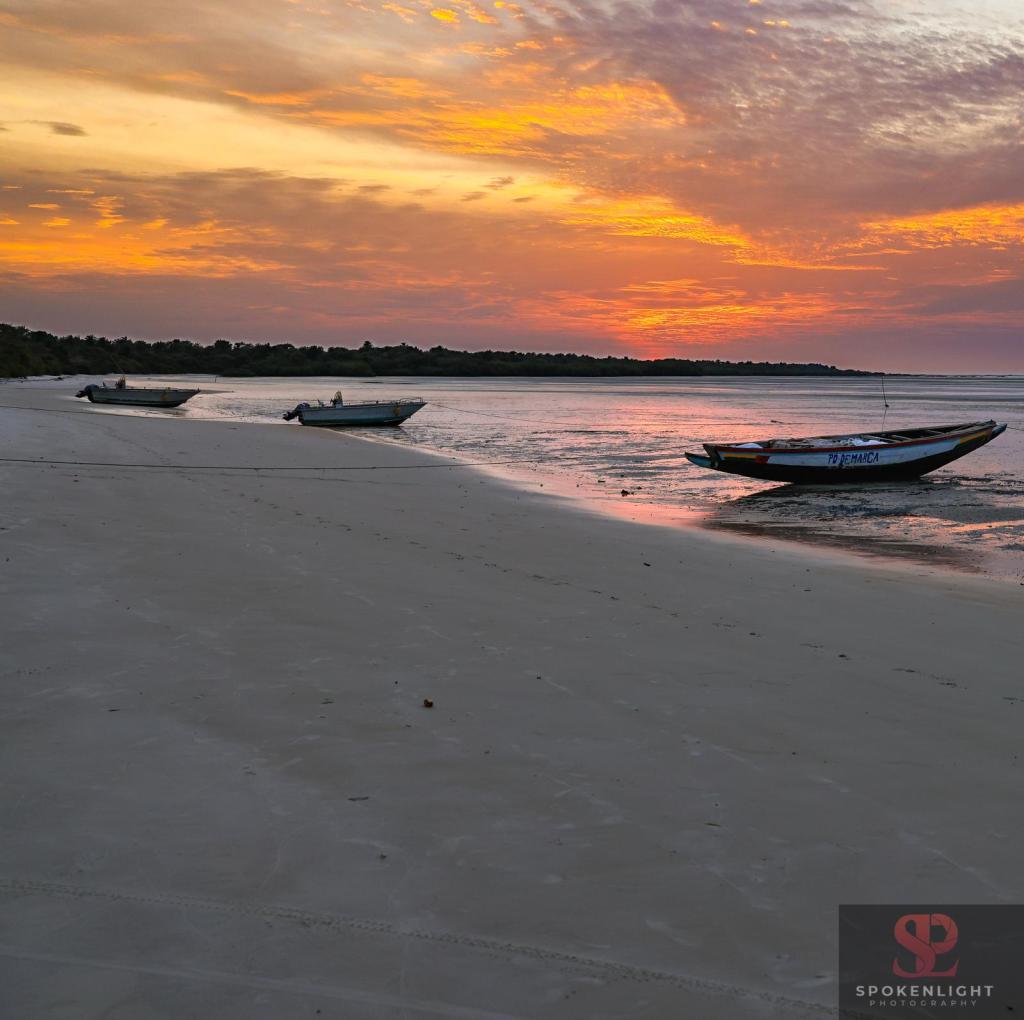
The daily sunrises, sunsets and dark sky were worth the trip alone.
A Major Sea Turtle Nesting Site, on Bijagos Islands, Is Worlds Away From Crowds – The New York Times
I would note that a trip to Orango requires a moderate level of fitness. Getting in and out of the boats from the water takes some dexterity and each of the excursions requires the ability to walk at least two miles in the sand. You want to bring a small day pack for the ferry and turtles and make sure you have any emergency medical supplies due to the limited infrastructure.
We stayed at the park for 4 nights which was the right amount of time. It is not for the budget traveler as it was just under 900E per person. But after seeing that it included ground transportation, over 16 hours on the boat, salaries for all of the personnel employed, 4 nights lodging and food, park fees, non-profit work done by the hotel, the ability to learn and interact with an indigenous culture, and the amazing opportunity to see new-born turtles – it was worth it!!!
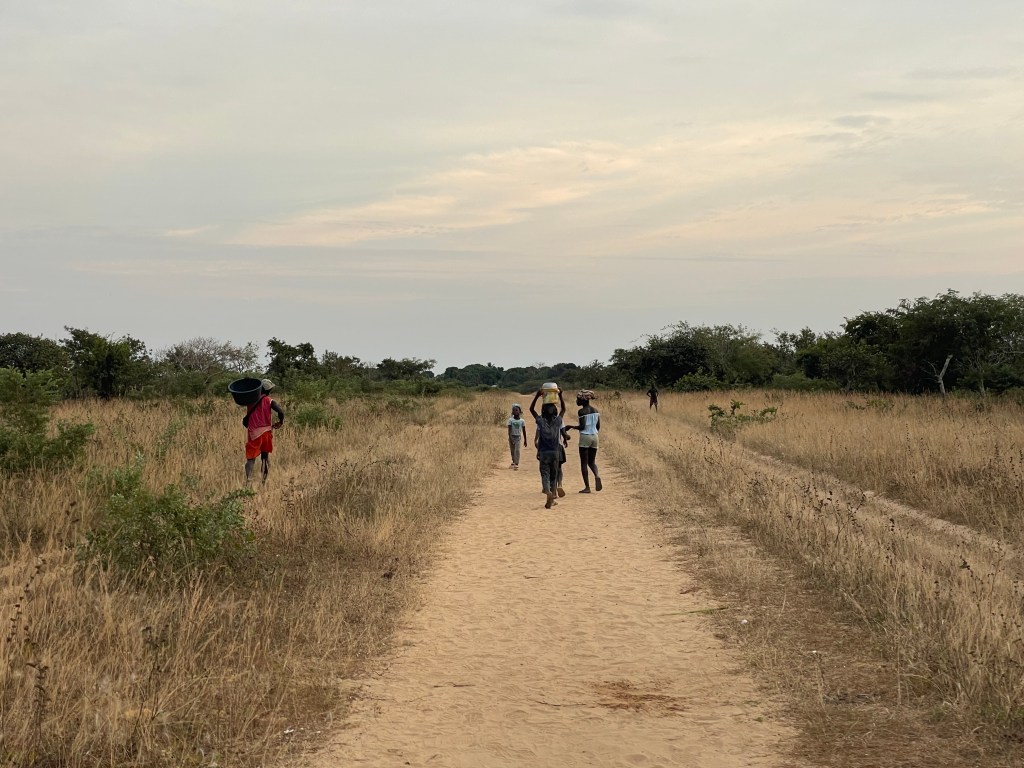
From one of my friends – This was an “Epic trip… all along the way there were moments we wouldn’t experience any other place.”
Other Notes:
One of the most unique aspects of this trip was arranging the international travel. While there are daily flights into Dakar Senegal; flights into Banjul and Bissau, are much more sporadic. There are weekly or bi-weekly flights from Senegal, Brussels, Istanbul and Casablanca into The Gambia. And there are weekly or bi-weekly flights from Senegal, London, Casablanca and Lisbon to Bissau. But there are no daily flights from anywhere. This makes travel a bit of a puzzle and flights will drive your timing. For my trip, Orango National Park was the centerpiece, and the other stops were based on when I could get a reservation at the park. I’ll also note, because flights are not every day from the same location, this is what motivated me to spend a couple of days in Istanbul enroute. I did not want to miss my flight to The Gambia or it would throw off my entire trip. And worst case, if for some reason that flight was canceled, I could fly the next day from Casablanca.
I pride myself on planning trips myself. But I could not have done this trip without the help of Scoot’s West Africa. When my original plan didn’t work out, they were exceptionally helpful in getting me started in the planning process and very generous with their expertise. I am still interested in doing a scooter tour with them sometime. Scoot West Africa – Trips, Tours And Tips For Your Adventure
Throughout the trip we were continuously confused and surprised about what our room rate included and didn’t include. The idea of “half board” and “full board” is very prevalent. In some instances, “half board” included lunch or dinner, in others it only included breakfast. At the Pullman in Dakar, I am still not sure what was included.
We were glad we packed quick dry clothes, bug spray, sleep sack, charger, sports sandals, large trash bags to cover our “carry on” on the boat, and a scarf. In all three locations, evenings were cooler than expected.
On a trip I usually try to read at least one book by a local author or that at least takes place in the region. For this trip, I read “At Night All Blood is Black” by David Diop which is a pretty gruesome novel about a Senegalese solider fighting in WWI. The first half of the book is hard to read but I recommend sticking with it because the second half of the book reminisces of his childhood and gives insight into turn of the century village life in Senegal.
A few overall notes on how I used points and miles for this trip. As mentioned before, I only use points and miles to offset the cost of a trip I am going to take anyway. This means that I almost exclusively use them for airfare so I can spend my money on smaller hotels and experiences. For this trip using points and miles was a mixed bag. It required some extra-long layovers in Istanbul and Lisbon (London for my husband). Since I love both cities, I consider this a bonus stop but it did add some time to the trip and some cost to get my “free” flights. And I guess because these are less popular routes there were some great business class deals that I would never pay for (and have never even used points for in the past) but couldn’t pass up. I booked about 7 months out. I didn’t have enough of one type of miles for my husband and I to fly home together so he flew through Casablanca and London while I flew through Lisbon and Boston.
The cost for this trip was about $3000 per person plus 155,000 miles for my flights (two of which were business class). This cost includes my positioning and transit locations of Istanbul, Lisbon and Boston.
This is a great trip for someone that loves nature, adventure and seeing another part of the world that many never get to experience.

 Life Kinetic Travel Research