While scrolling mindlessly through Facebook I was reading some questions from first time visitors to the United States. It occurred to me that while it is common to see blogs and advice about “3 days in (insert country here)” you rarely see that kind of post for the United States. But the US is no different – it gets first time visitors who are here for 3 days, 1 week, 2 weeks, or a couple of months. This post is intended to provide some overarching advice to help get you started planning.
The Fun Stuff – Where to Go:
For a first-time visitor to the United States my initial recommendations would be –
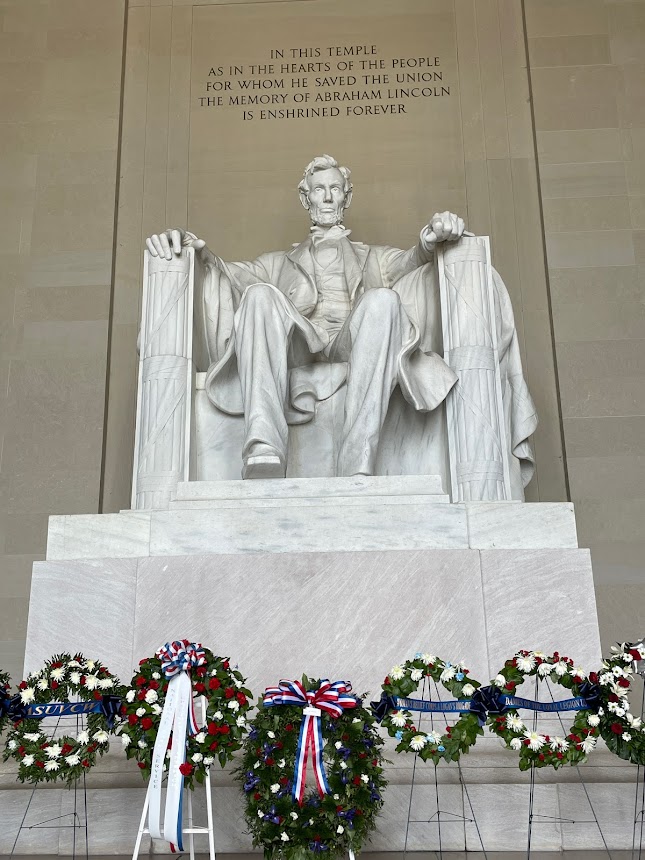
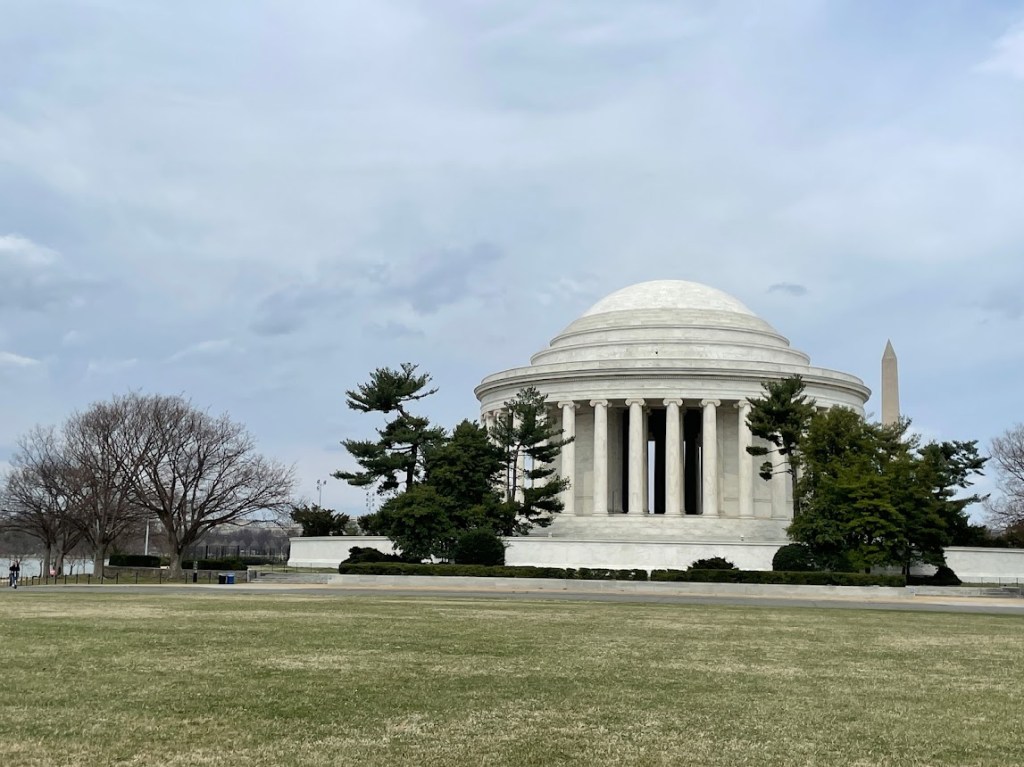
- Washington DC – In general, I love capital cities. And even though I am biased, Washington DC is one of the best! DC has tons of personality. It is beautiful, filled with history, lots of free things to do, and tons of great food. Additionally, there are a lot of fun day / side trips to other cities (NYC, Baltimore, Richmond, Philadelphia), nearby battle fields, easy access to “small town” America, and even National Parks for nature and hiking!
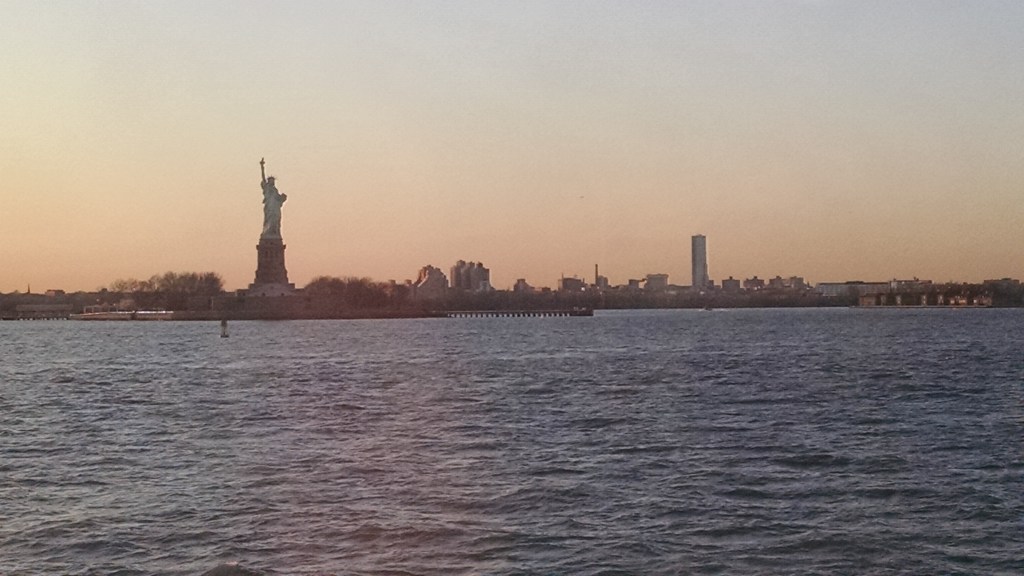
- New York City – New York City is one of the world’s great cities! There is so much to see and do. And while many people consider it a mega city with no history or culture – the exact opposite is true. New York City is what it has always been – a diverse center of commerce and culture. Founded in 1624 by the Dutch East India Company as New Amsterdam it has always been a financial center and as early as 1760 it was the largest city in the Western Hemisphere.
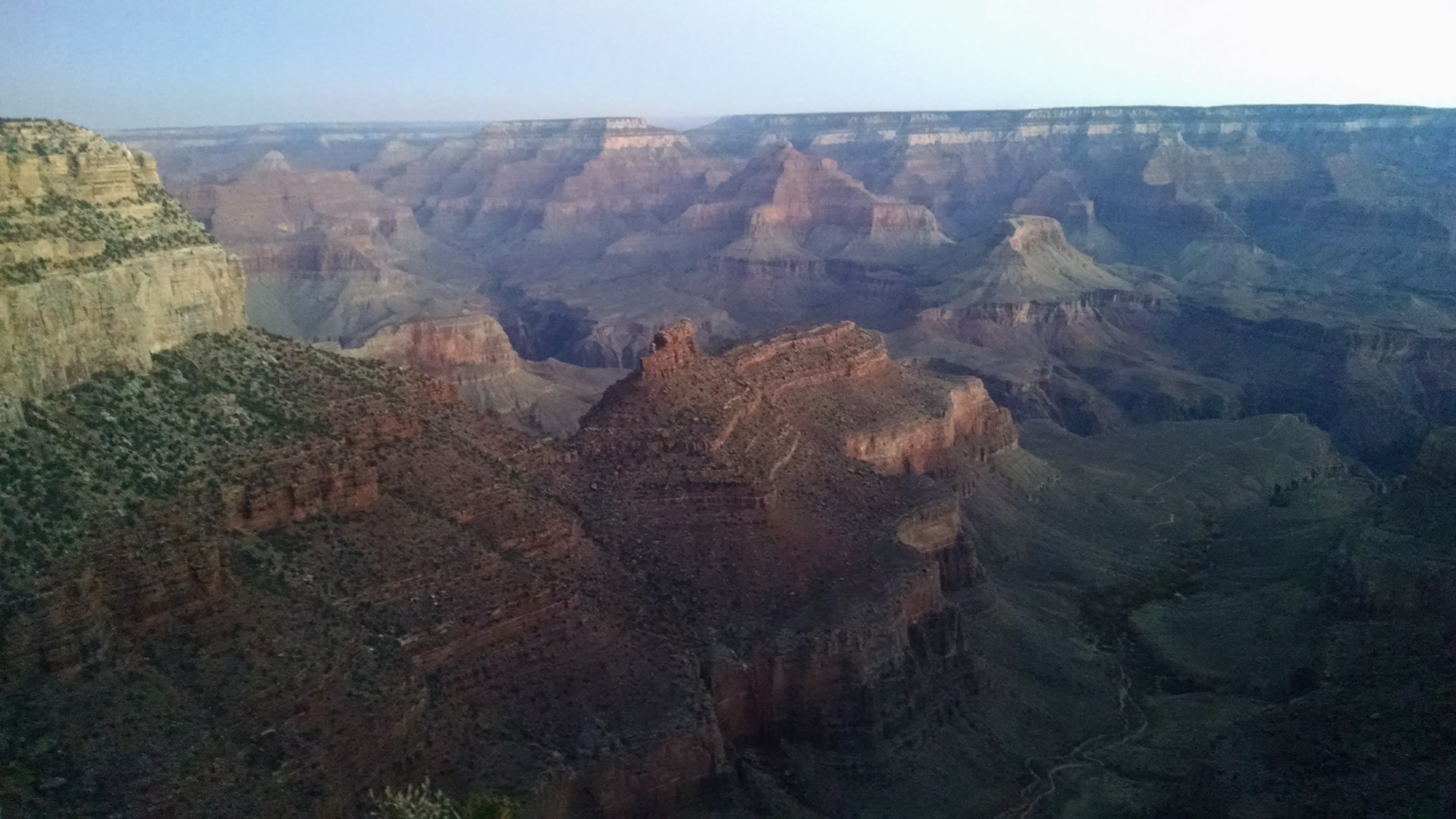
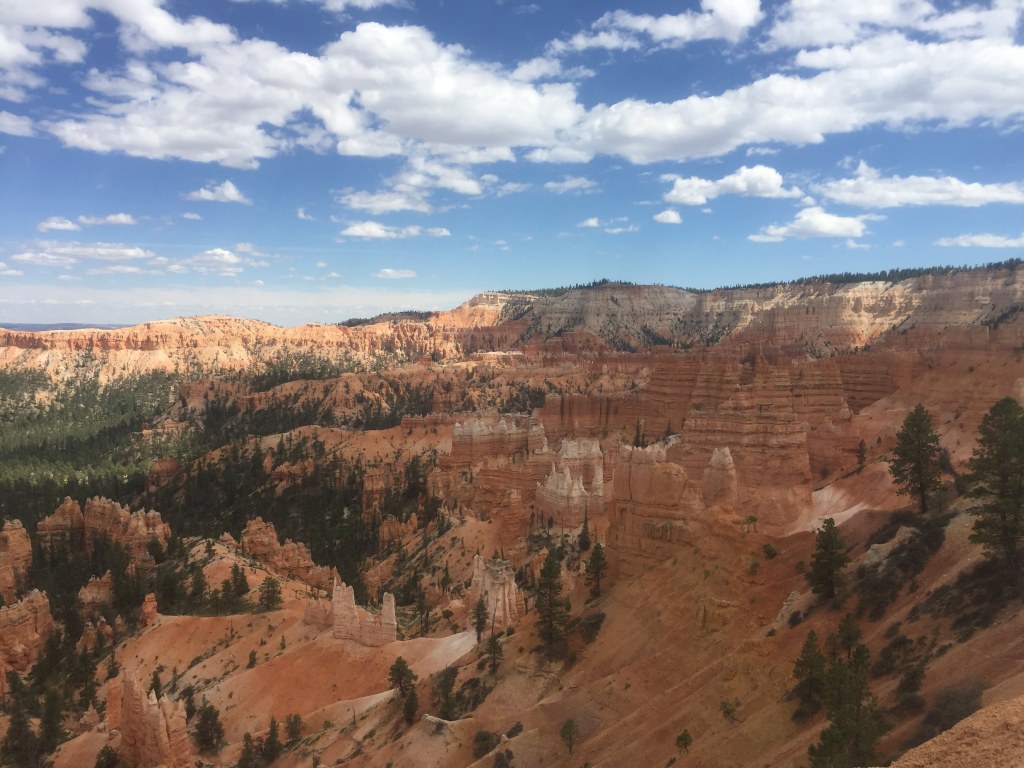
- The “West” – The American West is a pretty unique part of the world that can’t be experienced many other places. I got a similar vibe in western Argentina and my mom imagines that Mongolia has a similar feeling … The American West is a land of wide- open spaces. Dramatic landscapes. I recommend flying into Denver, Vegas, or Salt Lake City, renting a car and visiting one (or a dozen) of the amazing National Parks in Utah, Colorado, Arizona, Wyoming or Montana.
There are of course countless amazing destinations in the United States. Each region is different and has its own history and culture. But I think these three are uniquely American and provide a large variety of activities. Of note, in my job I interact with a lot of international visitors who have the opportunity over a year to visit a lot of the US – DC, NYC, Boston, Tennessee, San Francisco, Hawaii, New Orleans, Texas, Florida, Montana and many more on their own. Almost unanimously (besides maybe Hawaii) Montana is always their favorite.
Food:
American’s love a big breakfast. What is served might depend on where you are, but throughout the country you will be able to find restaurants open as early as 6 or 7 am that serve a full breakfast. On the weekends, you have the option of breakfast or brunch! (Any excuse to eat cake (we call it a muffin or a donut) and drink in the morning).
Speaking of drinking – American’s also love a good happy hour. In most cities, bars and restaurants will offer cheaper drinks and appetizers between 4-6 or 5-7 pm. If you are foodie on a budget, this is a great option to try some amazing spots!
Tex-Mex is an American creation and I’ve never really had any that was any good outside the US. Texas and the Southwest will have the best, but you can find some quality Tex-Mex almost everywhere.
Arrival and Transportation:
When flying to (or through) the United States you will always have to clear customs and immigration at your first stop. And if you have a connecting flight, you will also have to go through security (TSA). I would plan on a minimum of a 3-hour layover if you have a connecting flight.
Unless spending time in a major city in the North East (New York City, Washington DC, Boston), plan on renting a car. The US just does not do a good job at public transportation.
Domestic flights are expensive. Often cases they are more expensive than a long-haul international flight. Additionally, unlike other areas of the world, one-ways are usually not proportional to the cost of a round trip ticket.
If staying in the Northeast both Amtrak and charter buses are a good option.
Throughout the US the train and bus are also options, but they are not ideal and will add a lot of time to your trip.
If you have time, American’s also love road trips. The interstate transportation system is exceptional and it is a great way to explore the country.
Money:
Credit cards are pretty common and universal. While you might want a little cash on you at all times for things like the bus or a snack at a place with a minimum credit amount, you shouldn’t need a lot.
The United States is a tipping culture. Plan on a 20% standard for meals. (Food service workers in the US are not paid a living wage or even minimum wage – it is actually law that assumes their salary will be made from tips – this is changing in some areas of the country, but even where they make minimum wage they still don’t earn much). If doing a tour, the starting tip is 15%. You also tip Taxi drivers, Uber drivers, and anyone who helps you with your luggage. And while it is becoming less common, I also recommend tipping housekeeping who work for low wages, put up with a lot and have to work quickly.
If renting a car, you will want to see what parking apps are used in that area (in DC it is Park Mobile) and in a city you will want a ride share app (Uber or Lyft). Also in a big city, consider Open Table or Resy for dinner reservations.
Closures:
If traveling in the South, expect some closures and possibly other restrictions on Sundays.
In many smaller places, also expect closures on Mondays.
Nation-wide, expect closures on Thanksgiving (3rd Thursday of November), Christmas Day and possibly on New Year’s Day. Other than Banks and Federal / State offices, there won’t be many other closures on other federal holidays.
Last Thoughts:
This was a spot-on article about American customs and traditions.
30 American Traditions From Famous to Unusual | LoveToKnow
While I don’t agree with 100% of it, the book, American Nations by Colin Woodward is a fascinating look at the origin of regions and states shaped them differently resulting in different cultures, politics, religions and traditions. Also, the book Warmth of Other Suns by Isabel Wilkerson traces race migration in the US.