
Planning a trip can be overwhelming. Where do you start?? Here I break it down step by step based on how I plan my trips.
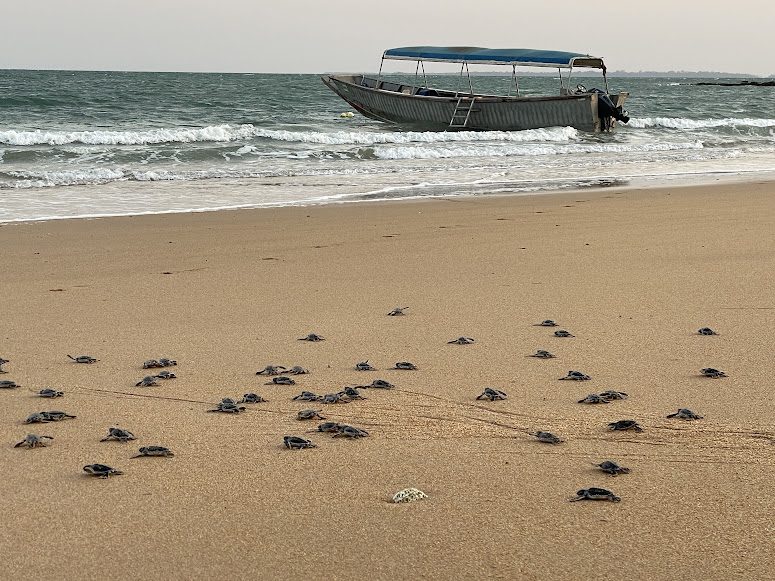
Step 1: This won’t apply to all trips, but if the trip is based on something special like a concert, a show, or something specific that is hard to get – if they are on sale far enough in advance, then get those tickets first. As an example, when Taylor Swift was on tour in Europe last year, many Americans traveled to see her in concert. There were multiple destinations across the continent. In a case like this, I’d recommend getting the tickets first so you know your destination and dates. Or if there is a property you plan to revolve your trip around, then book it first. For me, this usually applies to something in Nature. When going to Chilie I wanted to trek in Patagonia and needed a spot in the huts. When going to West Africa I wanted to stay at the Orango Parque lodge. Both of my trips were planned after I had these date locked in.

Step 2: Decide on the length of your entire trip. This could be an easy decision based on the length of a school break or paid time off from work. Or do some rough math calculating what you want to do. As an example, I’d like to visit Paris and have one day to wander around aimlessly, one day at a museum or two, and at least one day trip outside the city. In this example, I now know I need a minimum of three days and probably no more than five days.
Step 3: Buy your airline tickets. My dates for trips are pretty firm based on my schedule at work and I want to ensure I have a way across the ocean first. Even if your dates are more flexible, I recommend you start here. Your trans-oceanic or trans-continental flights will bookend your trip and give me the peace of mind – “first things first”. This is also likely to be your biggest single expense and depending on your requirements (cheapest, shortest, most comfortable) you want to maintain some flexibility before making other arrangements.
This doesn’t mean you have to buy a round-trip ticket. I buy most of my tickets using awards or points and usually book one-way segments.
For cash flights, I have found Google flights to be reliable. For tickets on points I start with Point Yeah. And to compare the two, the PointsPath extension is a fantastic resource. It is also worth a quick check of Skyscanner or Flight Connections to make sure your airports aren’t serviced by a smaller airline that might not be available in one of the aggregation tools.
Step 4: If traveling to multiple cities or countries, decide how many days each. If unsure, there are a couple of ideas to help you decide. I usually start by looking up a few blogs to see their recommendations. Check out guide books for their recommendations (as a tip – it doesn’t have to be the most recent, get an older one from your library). I almost always spend less time in a city than a tour – I move faster as a smaller group, get up earlier, spend less time at meals and do less shopping …. but if you have children and get a later start and build in nap time, you may want more time.
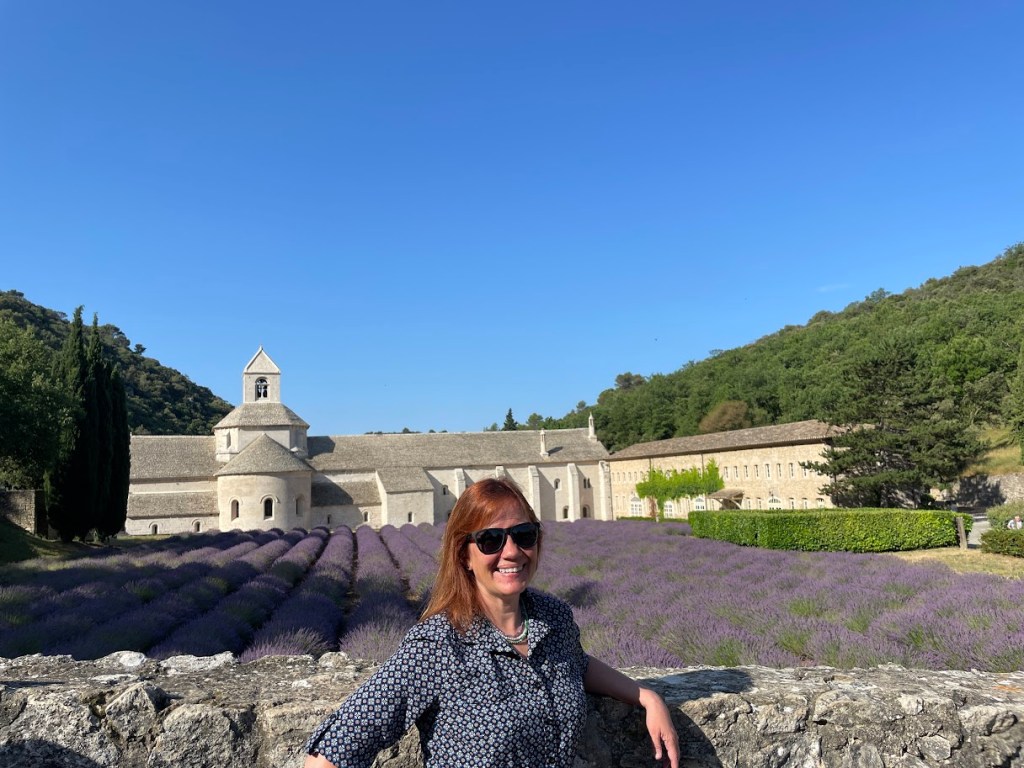
Depending on how much you are moving around, this can be more or less complicated. Last year I had 3 weeks to visit Europe (step 2). I knew generally where I wanted to go – meet my mom in London, visit the Baltic States, and then finish up somewhere else. Based on the time of year, flights and things on my never-ending list, I decided on seeing the Lavendar fields in Southern France. I then booked my flights into London and out of Paris (step 3). I was then ready for step 4, how do I break up the trip. Not all stops were equal. My mom and I decided what we wanted to do in London and how long we would need. I then looked at each of the Baltic countries and decided what I wanted to see and do in each and built an itinerary between the different stops. Some stops were firm – I of course wanted to spend a few days in Tallin the capitol. Others were more flexible… I really wanted to stay at a manor house but to see the Eastern most border and to black bears, I need a manor house in the East, South or Central part of the country (essentially not the Northwest where many of them are located).
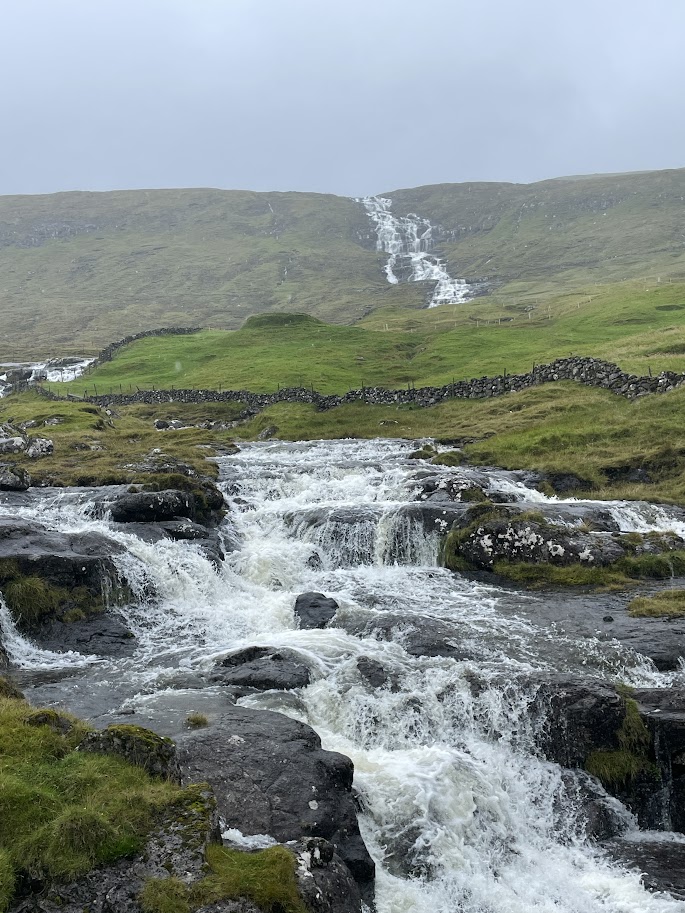
You might also decide instead to stay in one place. When going to the Faroe Islands I debated between staying somewhere new each night or to have a home base and taking day trips. For this particular trip I decided on the later.
Step 5: Book your hotels for each city or country. I don’t tend to stay in chain hotels and Booking.com is my go-to resource to find smaller cute hotels. While I will always double check against the hotel’s own website, Booking.com is almost always the same or even cheaper. Their search engine is easy to use and I’ve never had a problem with a hotel honoring my reservation. My trips vary and I’ve stayed in everything from a 5-star hotel to a hostel. But unless it is a quick night at the airport, my number one requirement is a place with personality!

Step 6: If traveling to multiple cities or countries, start to look at transportation between the two. If I am starting from scratch, I like Rome2Rio to compare the cost and time of multiple options. This is also a good point to book any day tours or sights that require advance reservations.
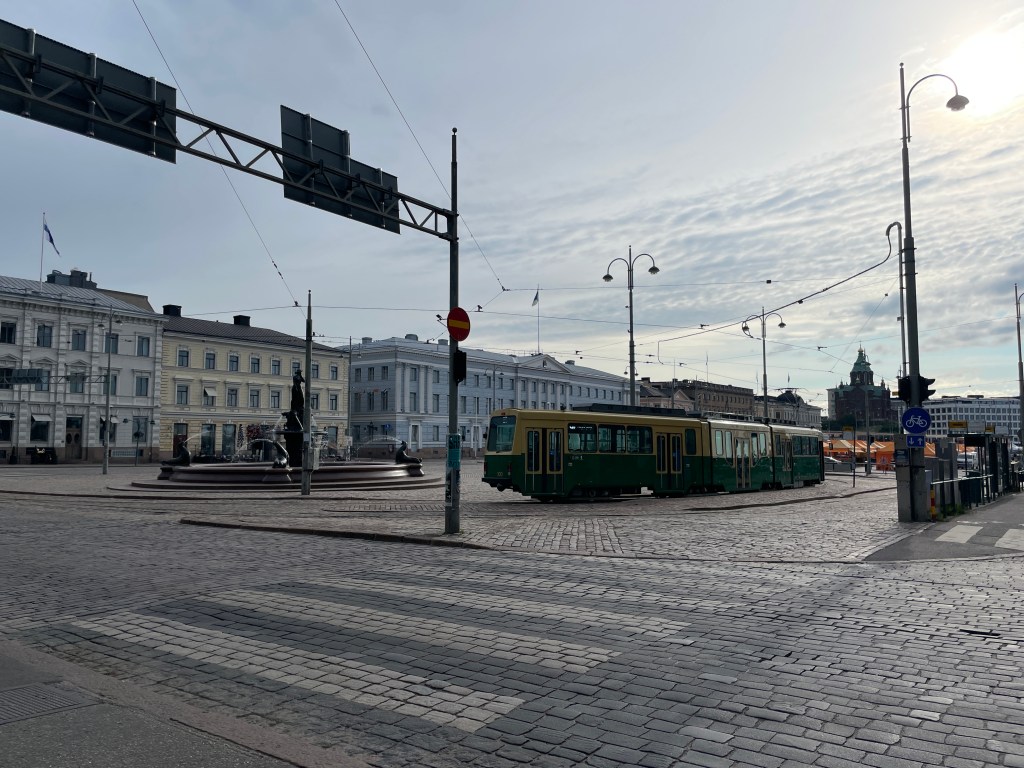
For my three weeks in Europe, I flew from London to Helsinki, took the ferry to Tallin and then rented a car and drove to Vilnius before flying to Nice and renting another car. I realize that is a lot, so I won’t even describe the logistics involved in my recent trip to West Africa.
I am planning an upcoming trip to the Caucuses. I am not planning around any specific events but know that I want to be there in the fall (step 1). I have two weeks off from work (step 2). I’ve looked at flights and know that I’ll fly into Baku and out of Yevhen. I broke my own rule and haven’t bought my tickets yet, but I know there are daily flights through Istanbul and that some smaller airlines have periodic flights through hubs like Frankfurt and Rome. I am prepared with the relevant points required and prepared to pay cash if necessary (step 3). I decided on my priorities – a few days in each capitol, staying in a Caravanserai, visiting Gori, and seeing Mt Arat. I mapped out a route with these stops and filled in the blanks based on recommendations from blogs, Pinterest and guidebooks (step 4). I then booked hotels at each stop. The majority were through booking.com but there were others like the Caravanserai that I researched and booked directly (step 5). I then started on step 6 to piece together the different stops. For Baku to Sheki, I looked at a tour, renting a car, the train and a private transport. They all have their own pro’s and con’s but I found a private transport and arranged some stops along the way. We will take a taxi to Tbilisi and then rent a car for the rest of the trip.
Step 7: Fill in the details. Read blogs and books about a destination. Even if you want to keep your time flexible, I think it is a good idea to have an idea of some things you want to see and do. This will keep you from wasting time while there or finding out that something you really wanted to see is closed on Sunday and you leave on Monday!
I hope this helps provide a framework to plan your next trip. At the end of the day, there is no right or wrong answer but this is how I think about it. Some other resources on LifeKinetic include how to travel on a budget, how to research a trip, finding time and money to travel, why to travel now instead of waiting, traveling with others, and the ultimate list of travel hacks.


