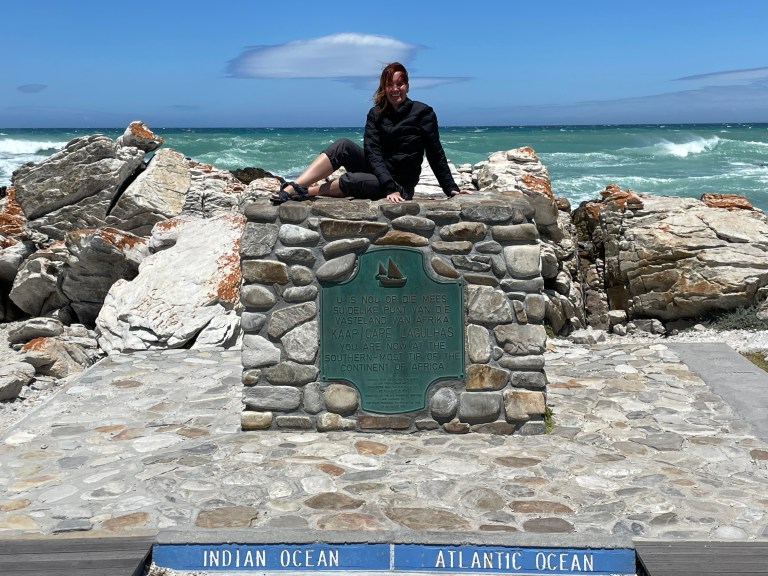
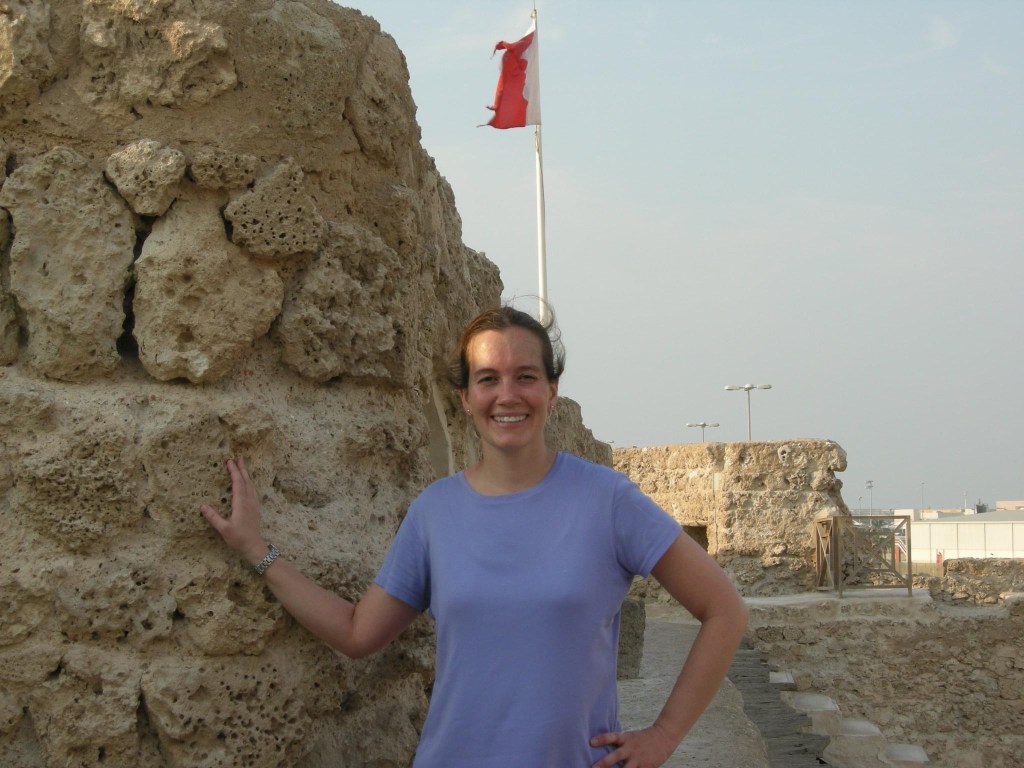
I am “well-traveled” by most standards. And as such, I’ve traveled to some “outside” the box destinations throughout my lifetime. I was in Hungary within a year of independence from the Soviet Union. There was no way to know if freedom would hold or not. I was in Bahrain during the first days of the Arab Spring. I lived in Turkey during the Syrian Civil War and the government clashes with the PKK.
However, even if you restrict your travels to “safe” destinations, we know tragic events happen every day. In 2017, 58 people were killed in Las Vegas during a mass shooting. In 2015, four people were injured during an armed attack on a French train. COVID turned the entire world upside down in 2020 and left hundreds of thousands of people stranded away from home.
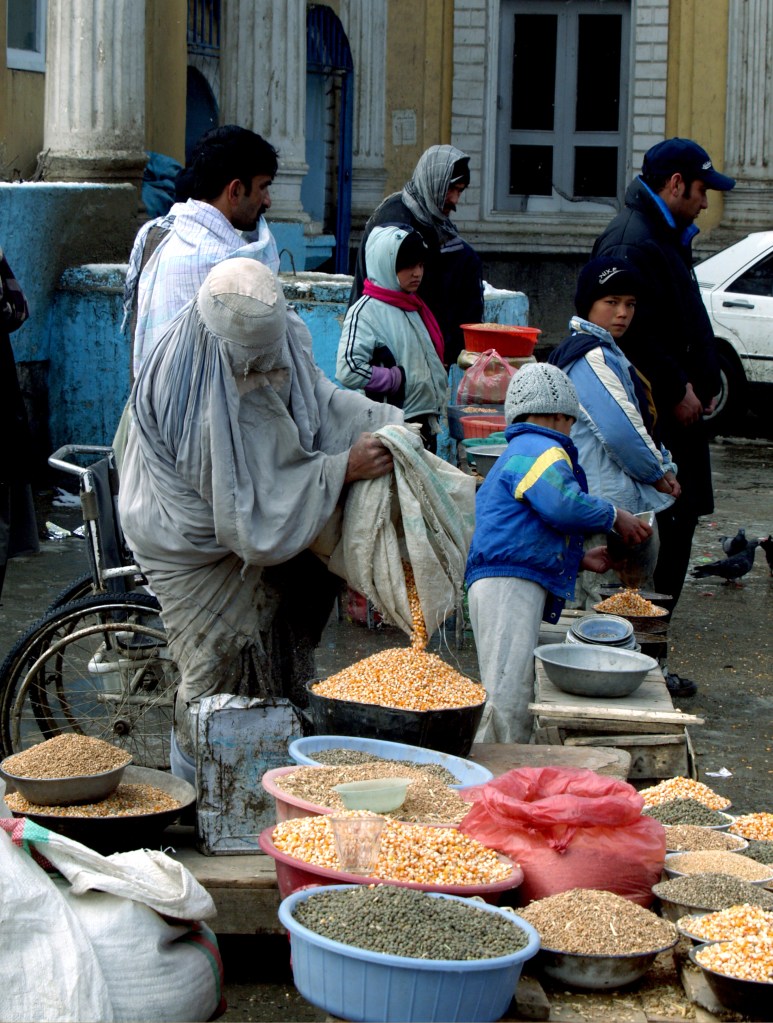
I don’t seek danger, but the world is unpredictable, and on the flip side, you can’t believe everything you read and hear.
All of my trips are deeply researched. But recently there was a coup in Guinea-Bissau just weeks before I was due to travel. This required me to reevaluate our trip very quickly and to really crystalize my thinking about how I think about my personal safety when traveling, resources I trust and final decisions about what is “safe” and what isn’t. Here are some thoughts:
Department of State: The Department of State has travel advisories for every country. Countries are classified as level 1 through level 4. There are actually very few countries classified as level 1 and many you would assume are level 1 are actually level 2. This includes most of Western Europe. For me, travel to level 1 and level 2 countries is a no brainer. Additionally, level 4 countries are reserved for active war zones or locations where there are laws preventing American tourism. These are off the table for me.
Level 3, reconsider travel, is where things get tricky. In this case, the Department of State is helpful, but only a single data point.
Other Country Travel Advisories. Similar to the United States (or your home country) other countries have their own advisories. I research these as well to get a fuller picture of the risk. In the case of Guinea Bissau, Canada’s advisory has it rated as a 2 in their 4 tired rating. And at the same time, Guinea Bissau was not mentioned on the UK’s list of 74 areas to avoid or not travel.
I could go on. But as you can see, this is not an exact science. If a destination overlapped on every list, then that is a data point. Likewise, where there is disparity, that is another data point.
Are warnings for the entire country or just certain area? Continue to dive deeper to determine if restrictions are in a particular state or region or throughout the country. Using the US as an example, New York City is thousands of miles and very different from Montana, Alaska or Guam. The UK travel advisory system does a very good job of providing location-specific guidance.
Think about your method of transportation, your specific destination and your plans while there.
Is violence indiscriminate or targeted? Understand the context and nuances behind a restriction. If there is an active war and bombs are dropping, this is completely indiscriminate and there is little you can do to ensure your safety. (I would also argue you should not be putting a strain on local resources and population). If violence is tribal or political then maybe it is a different assessment.
Recent experiences – on the ground tour companies, social media sites. Use other resources to get on the ground assessments. But again, this is a single data point. Somebody saying “I feel safe.” is not the same as actually being safe. But those on the ground can give you a sense of current events, police vigilance, lighting at night, attitude of locals etc…
News. Keep up on the news for your destination. It is impossible for mainstream news headlines to follow every story throughout the entire globe. But a targeted search should give you the most recent reports. Additionally, don’t limit your sources to those from your own country. I’ve found Aljazeera to have a wide range of reporting on events in the Middle East, Africa and Asia. The BBC also has extensive worldwide reporting.
Once you decide to travel somewhere, here are some things you can do to help ensure your safety.
STEP. The US Department of State STEP program allows you to register your travel. This does a couple of things. 1) You will receive current event updates from the Embassy. This includes everything from major road closures, protests, and even coups. For this reason, I recommend registering as soon as you know you are traveling so you can receive updates before your trip. 2) It also lets the State Department know you are in the country in case of an emergency and there is an evacuation. For non-US citizens, most countries have a similar service.

Travel Insurance. Buy comprehensive travel insurance that covers trip interruption, trip cancellation, evacuation and medical evacuation. This also allows you flexibility to make real time changes to your plans without unduly worrying about money over safety.
Embassy or Consulate Info. Know the address and contact details of your Embassy and the Embassy or Consulate of your country’s allies. For my trip to West Africa, the U.S hub in the area is Senegal and we don’t have a presence in Guinea-Bissau. But France, Portugal and Spain all have an Embassy there.
Send someone your trip info. Make sure someone has your travel details. Two thoughts about who to pick. 1) It should be someone that would notice if you don’t return or check in. Establish how often you will be in contact. And if there are days you won’t be in contact, make sure those are known in advance. 2) This doesn’t have to be your closest relative (although they should know how to get in contact with them if needed). Pick someone that is resourceful and would be calm and useful in case of an emergency.
Avoid protests. Regardless of where you are traveling, always avoid protests, demonstrations and large crowds. Even the most peaceful events can go badly very quickly.
Research transportation. Research, and if necessary, arrange transportation in advance. Think through the logistics. If roads are dangerous then ensure you only travel during daylight. Ensure you have the required documents. As a rule of thumb, air borders are safer and more standardized than land borders. Download maps of the area ahead of time so you always know where you are and how to get to a safe location.
The world is an exciting and wonderful place. And I believe that most people are good at heart and want many of the same things out of life. Get out and explore it!