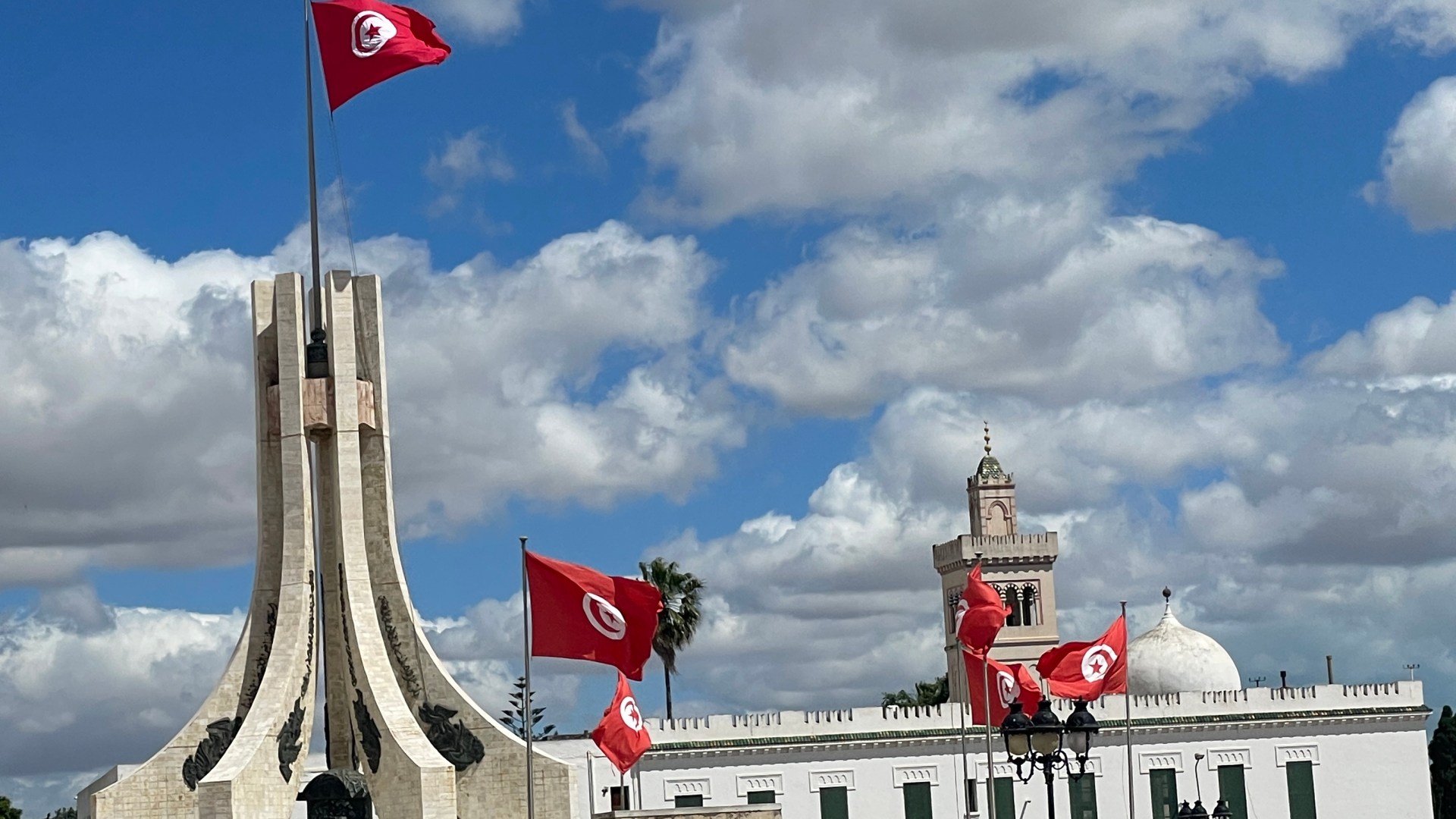
I left a small part of my heart in Tunisia. My trip there was slightly spontaneous. My husband picked a short trip to Malta, and I wanted a few days somewhere else that had a direct flight. I thought I would like it, but I didn’t know I would love it and immediately start planning a return trip. I found the people incredibly welcoming and hospitable and the city at that perfect place in history where you could get a glimpse of the traditional while still enjoying the luxury of potable water and a taxi.
Tunisia ignited the Arab Spring in 2011 and for a while hosted a fledgling democracy. But some of those freedoms are now restricted and there is little economic opportunity. But the spirit of the people is still there. I felt incredibly safe in Tunis but was warned about the southern border areas.
The Tunis airport is easy to navigate. Passport control and immigration were quick. I arranged a transfer to my hotel for 15E but ride shares are also an easy option for transport.
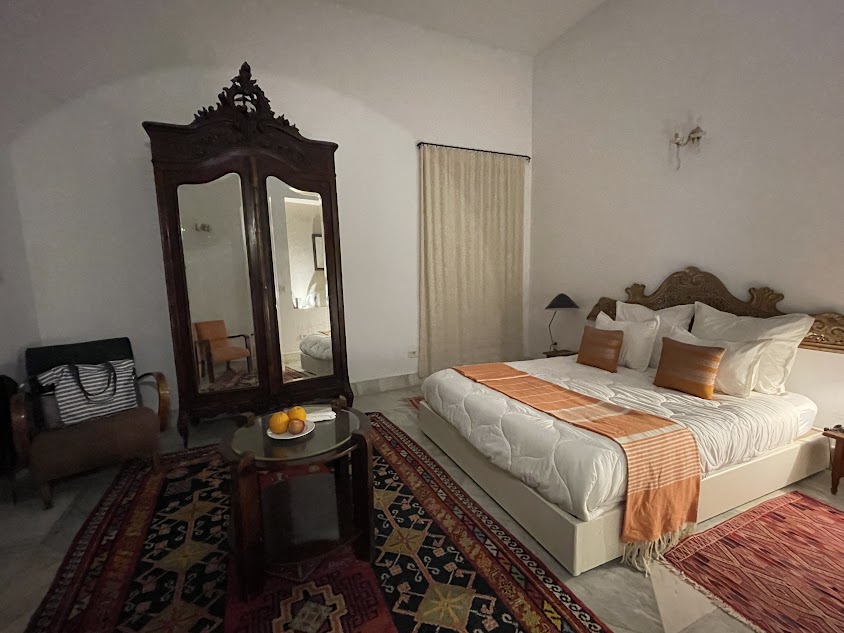
I loved my hotel – Dar El Medina. It is a turn of the century house in the heart of the old Medina. The hotel has 10 rooms – each named after a wife of the original owner. The hotel has beautiful tile, a rooftop and outdoor spaces. I would definitely stay here again – unfortunately when I tried for my next trip, they are already booked.
Here are some ideas on how to spend 2-3 days in Tunis.
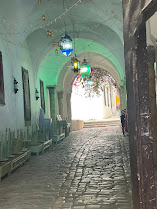
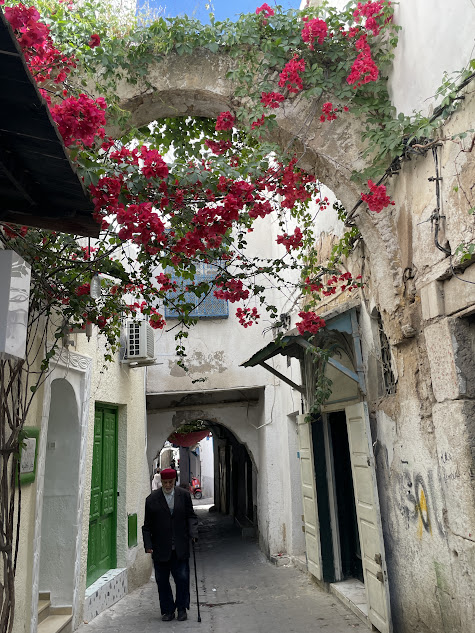
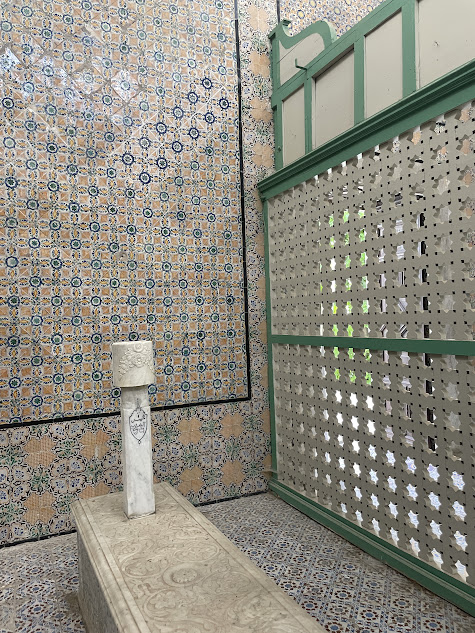
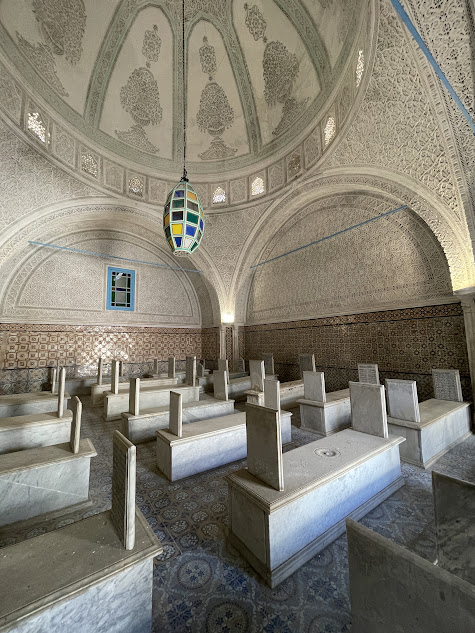
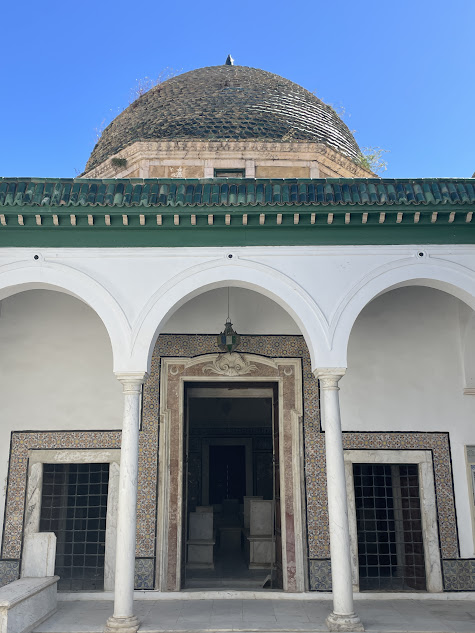
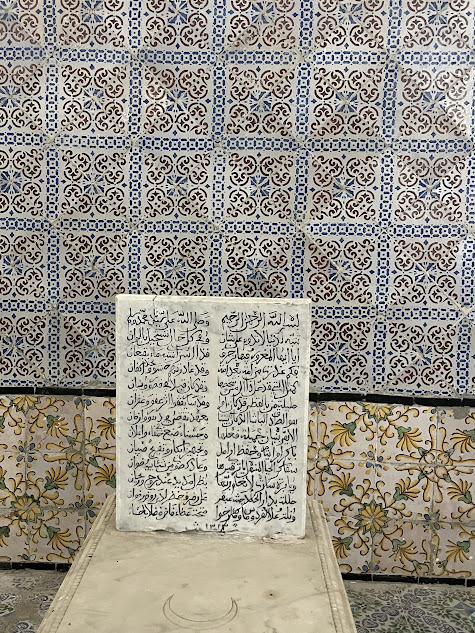
Walk around the Medina. I was able to spend a full half day walking around the Medina. This is the historic center of town. It really gives you a feel for the history and culture of the city. It is how I imagine Morrocco or Istanbul may have been 30 years ago before the tourist and westernization. While there are a couple of tourist stalls, this is still a traditional shopping center with men in their Fez’ and going to the Mosque. Speaking of Mosque’s, stop at the Zitouna mosque (built in 700 AD). When visiting the mosque, women should ensure your head and arms are covered. While there are a few hidden restaurants in the medina, it is more common to see coffee shops and cafes. Another great stop is Tourney el-bey which houses 165 tombs from Husainid dynasty from 1700-1956. It’s hard to articulate why this was interesting – but there is some signage to learn about this 200-year history in Tunisia and the tombs are beautiful.
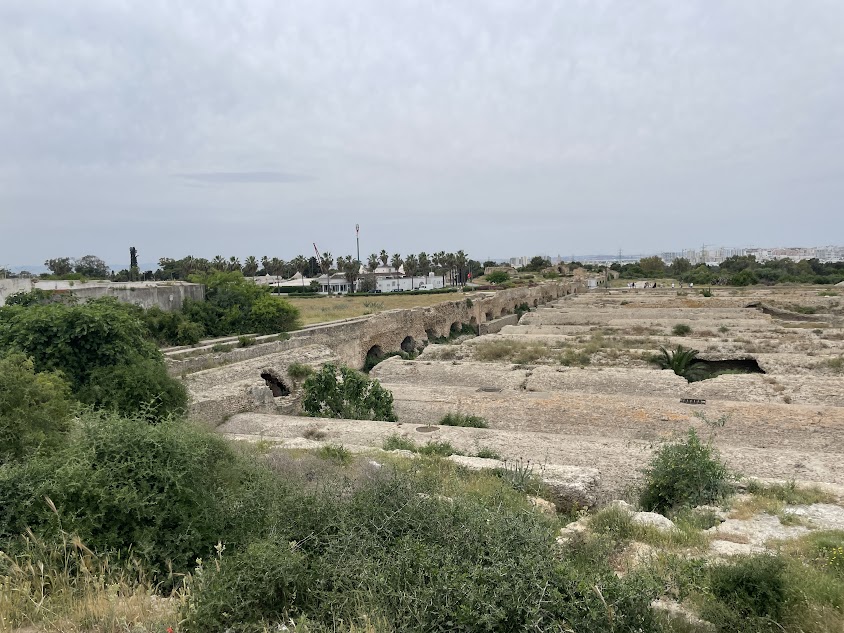
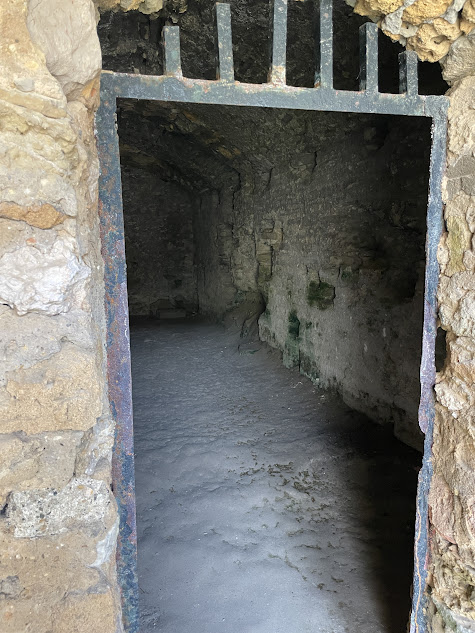
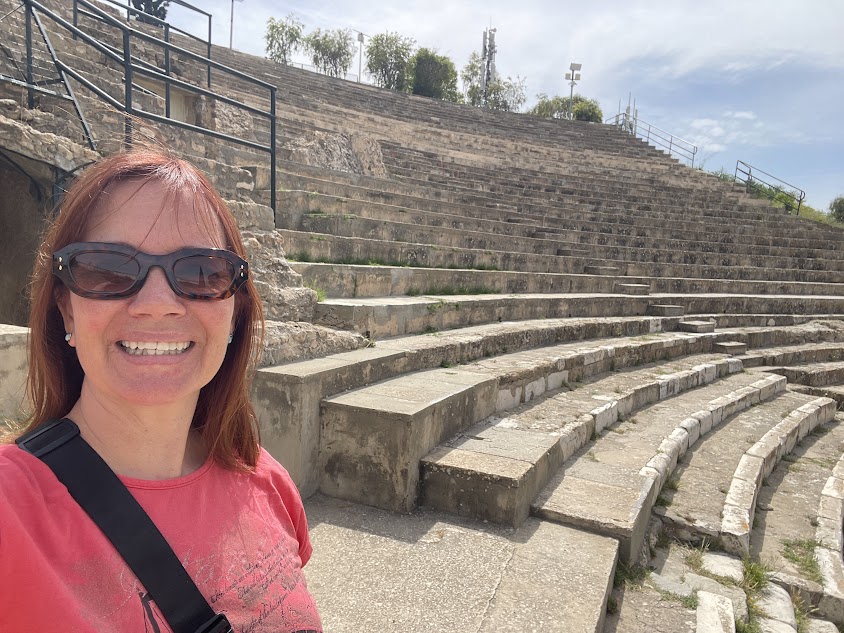
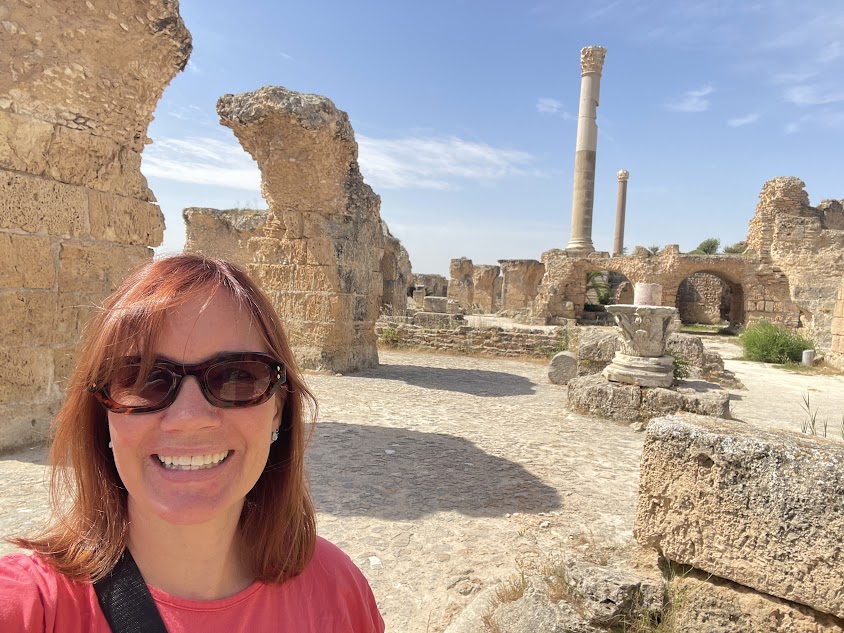
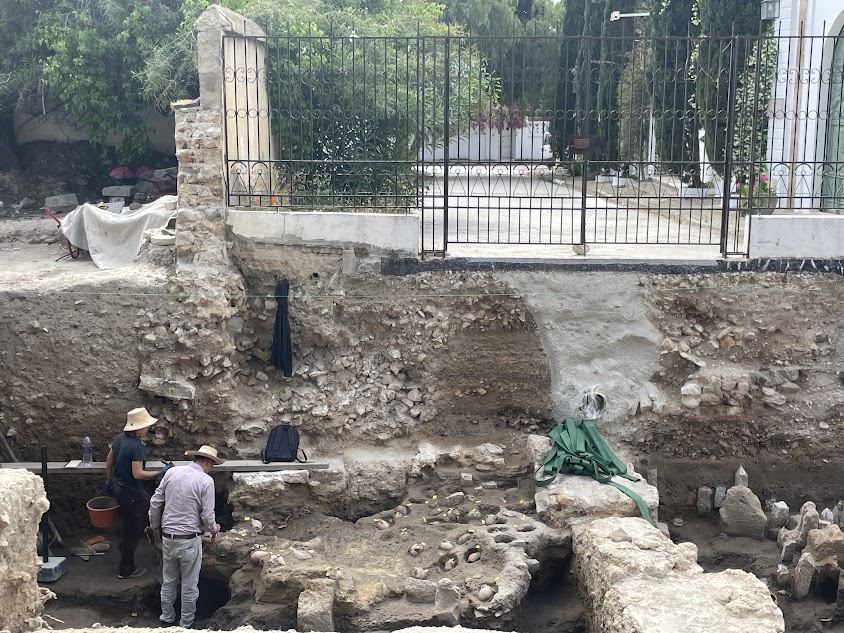
The Bardo & Carthage. This is unique to Tunis and if you only have one day, this should be it. The Bardo museum is huge and we were there 2 ½ hours and walked over 3500 steps. Frankly, we could have been there longer, but my brain was full and I was just done. I lived in Turkey and spent time across the Mediterranean, but I think the Bardo has more mosaics than all other sights combined. It is impressive. The museum has good signage in Arabic, French and English. You can visit in either order, but I would recommend the Bardo museum first so you can later picture the mosaics and ruins in Carthage. However, if there in the summer, you may want to visit Carthage in the morning before it gets too hot. The ruins of Carthage are fairly spread out and you definitely want a guide. If you have a great guidebook, you might be able to get away with a taxi, but I would recommend a guide. You’ll need about four hours to explore the ancient Punic and Roman cities of Carthage. The children’s cemetery, Roman baths and amphitheater were our favorite stops. But also do a quick drive by of the cistern which is pretty unique.
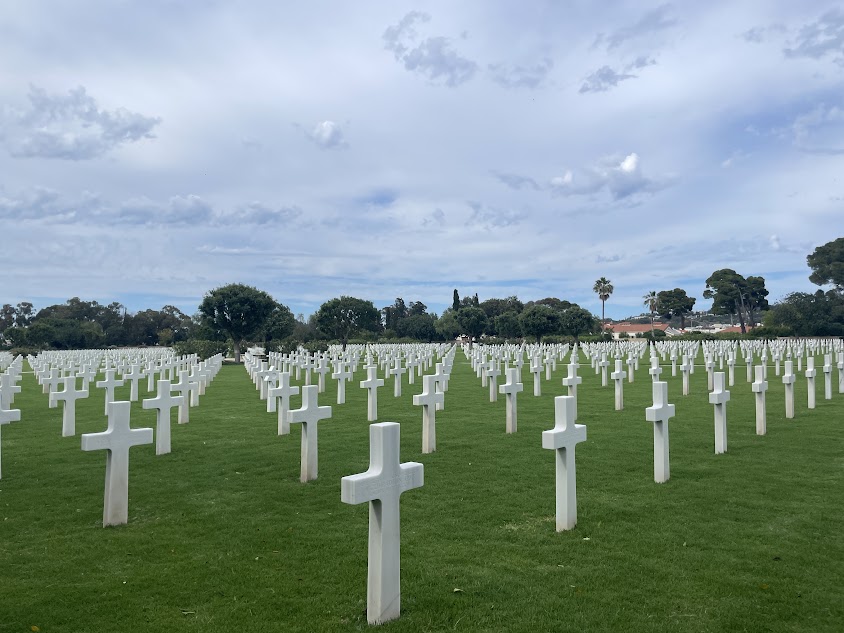
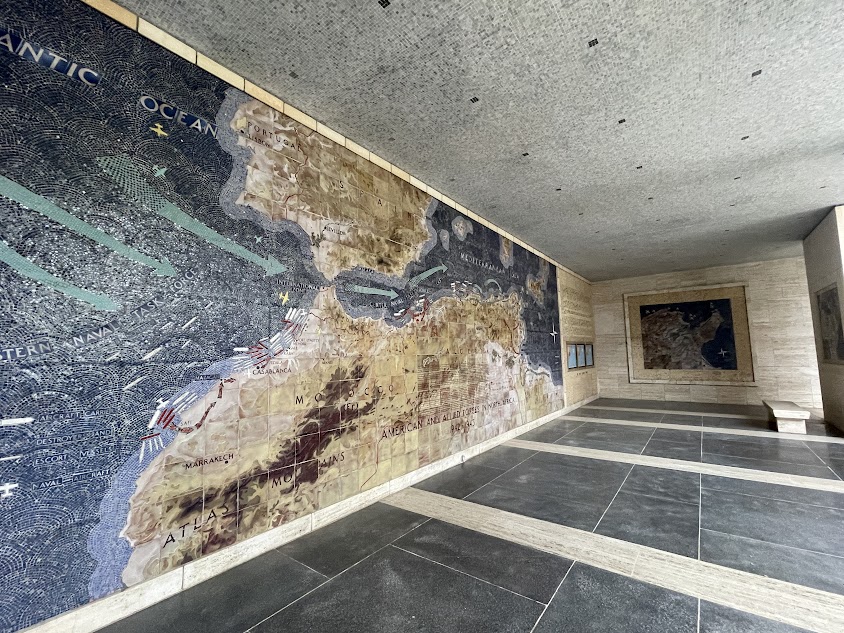
North African American Cemetery Similar to Normandy and American Battle Monument overseas cemeteries, this houses the remains of those that died in the World War Two North African Campaign. If you email the staff ahead of time you can arrange a tour which is completely worth it. The North African Campaign is much less known than Europe and the Pacific and it was wonderful to learn more. We were there about 2 ½ hours. The cemetery is about 40 minutes from downtown Tunis but it an easy ride share or train ride away.
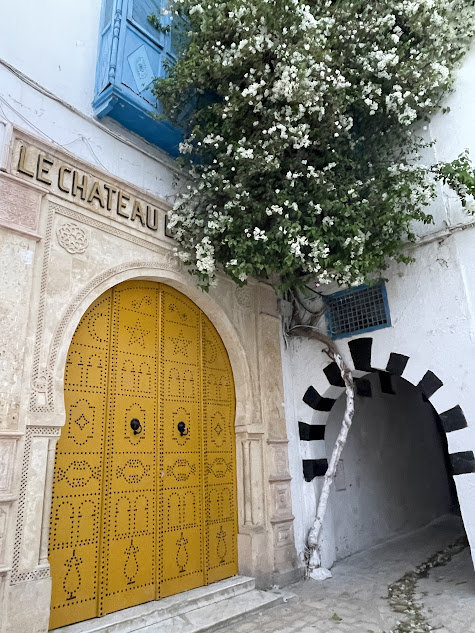
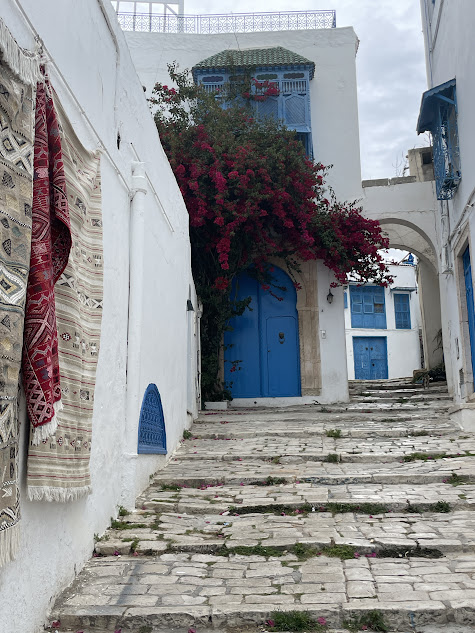
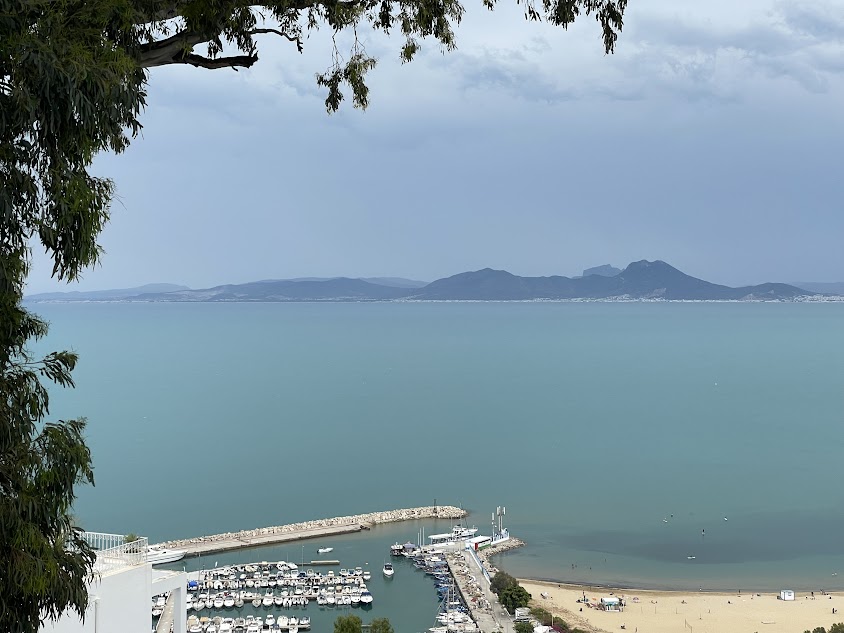
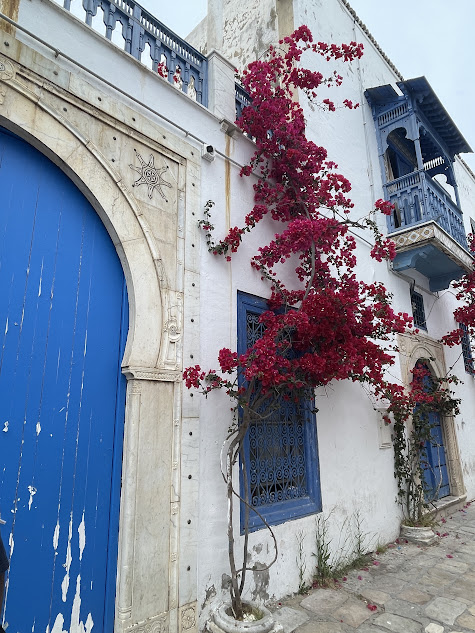
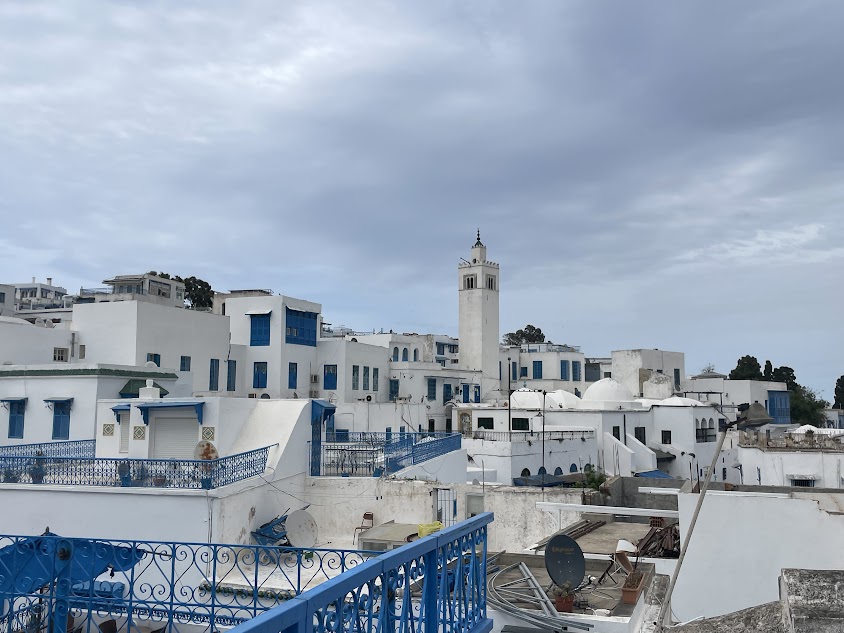
Sidi Bou Said is the “original” (before the more famous Santorini) blue and white town. It is a beautiful place to walk around for a few hours. While here, visit Ennejma Ezzahra Palace which provides insight into a traditional Tunisian interiors as well as some history of the town. While the city is definitely beautiful, it is very touristy and busy and I did not like it nearly as much as the Tunis Medina. I’d combine this with Carthage and/or the Cemetery.
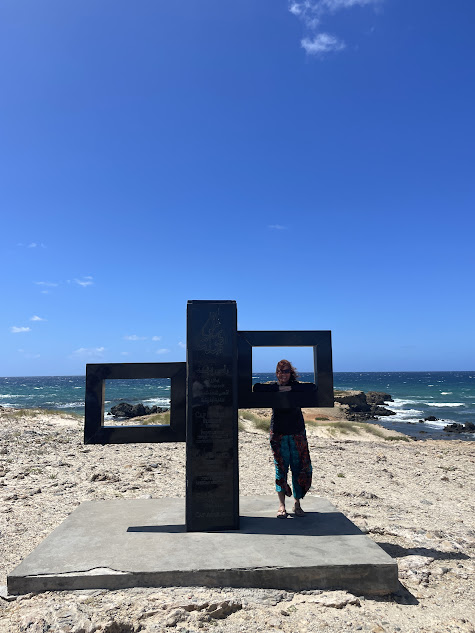
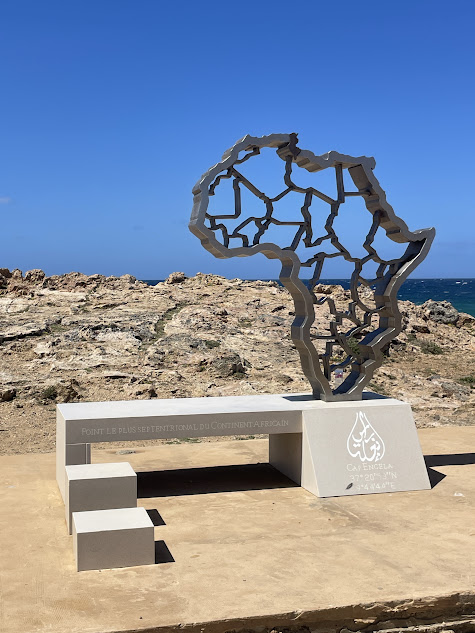
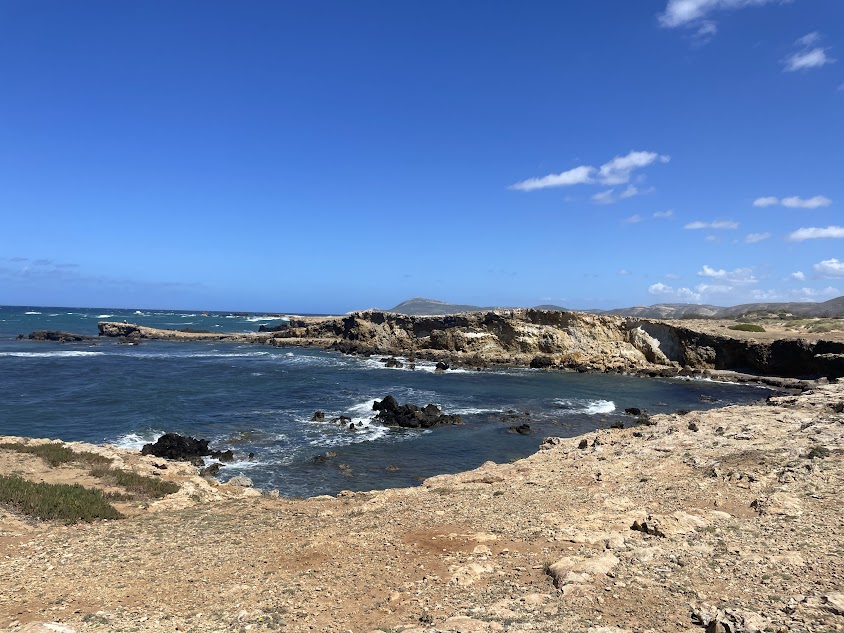
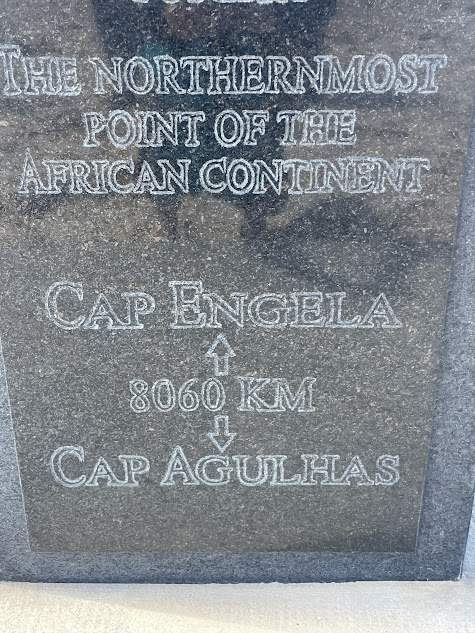
Cape Angela is about 2 ½ hours North of Tunis and is the Northernmost point in Africa. I wanted to visit since I’ve been to both the Southern and Western most points of the continent. There is not much there, and it is hard to get to, but I found it beautiful and magical. If you are able to arrange a round-trip ride and have the time, I would recommend it.
Eating in Tunis. I’d ensure your hotel includes or at least offers breakfast. In the Medina we had dinner at Sit El Habayed and my hotel, Dar el Medina. Both were good but El Mida in La Marsa (near Sidi Bou Said and Carthage) was by far the best meal of the trip.
Other tips:
Drive In app is a ride share app with a few slight differences than what you might expect from Uber, Lyft or Bolt. Through the app you bargain on a price for your trip. The app will provide you a “typical” fare. The passenger and the driver can then increase (or decrease) the fare based on need, weather, distance etc… You will also pay in cash, not through the app.
You will want local currency. There are very few locations that take credit card. You might get away with Euro in an emergency, but I’d plan on hitting an ATM at the airport or in town.
Outside of Tunis, El Jem and Djerba were recommended to me and will be the focus of my next trip along with a visit to at least one of the Star Wars sights and a night in the Saharra.
I am sure I will have much more to write after my second trip. Stay tuned!